
 Save to Pinterest
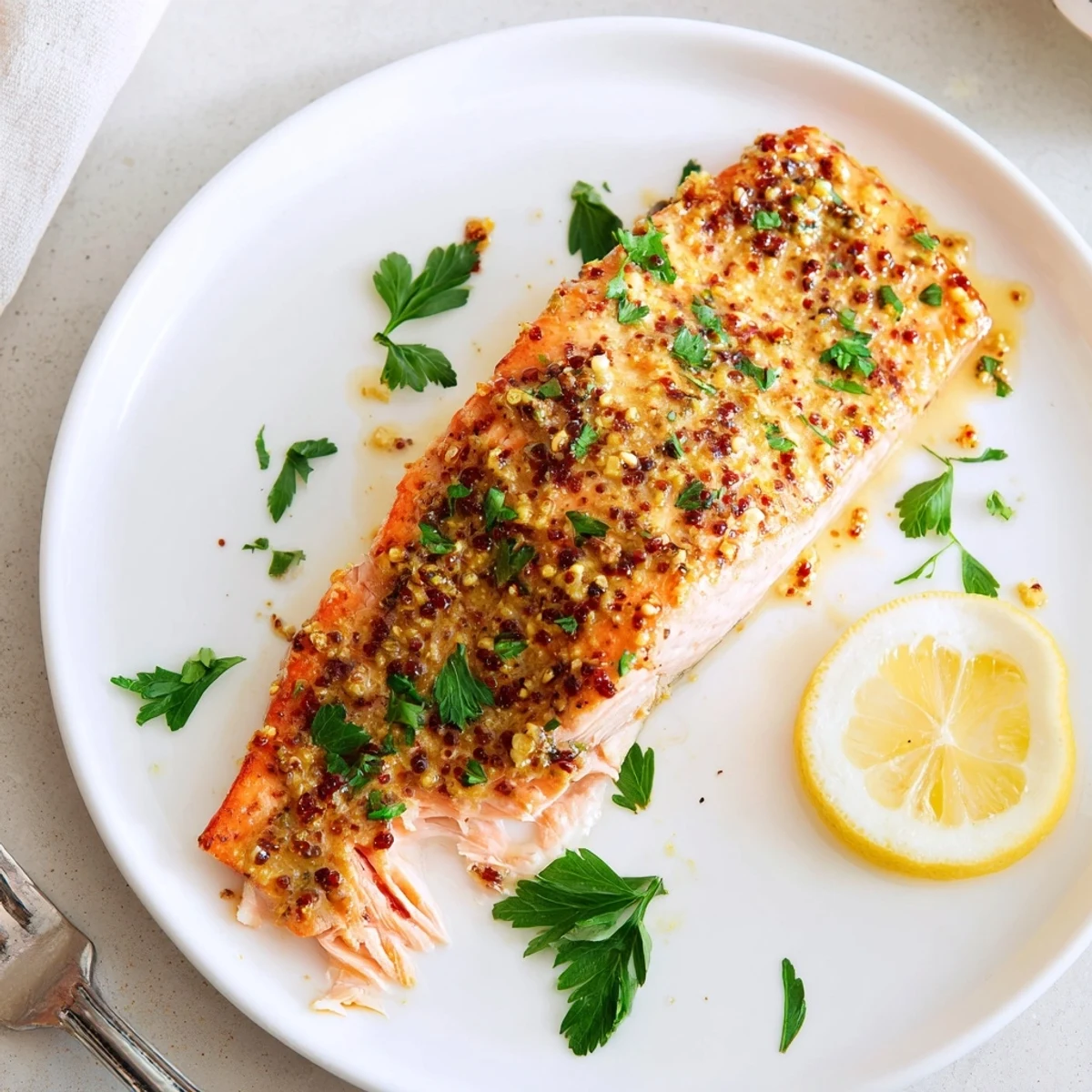
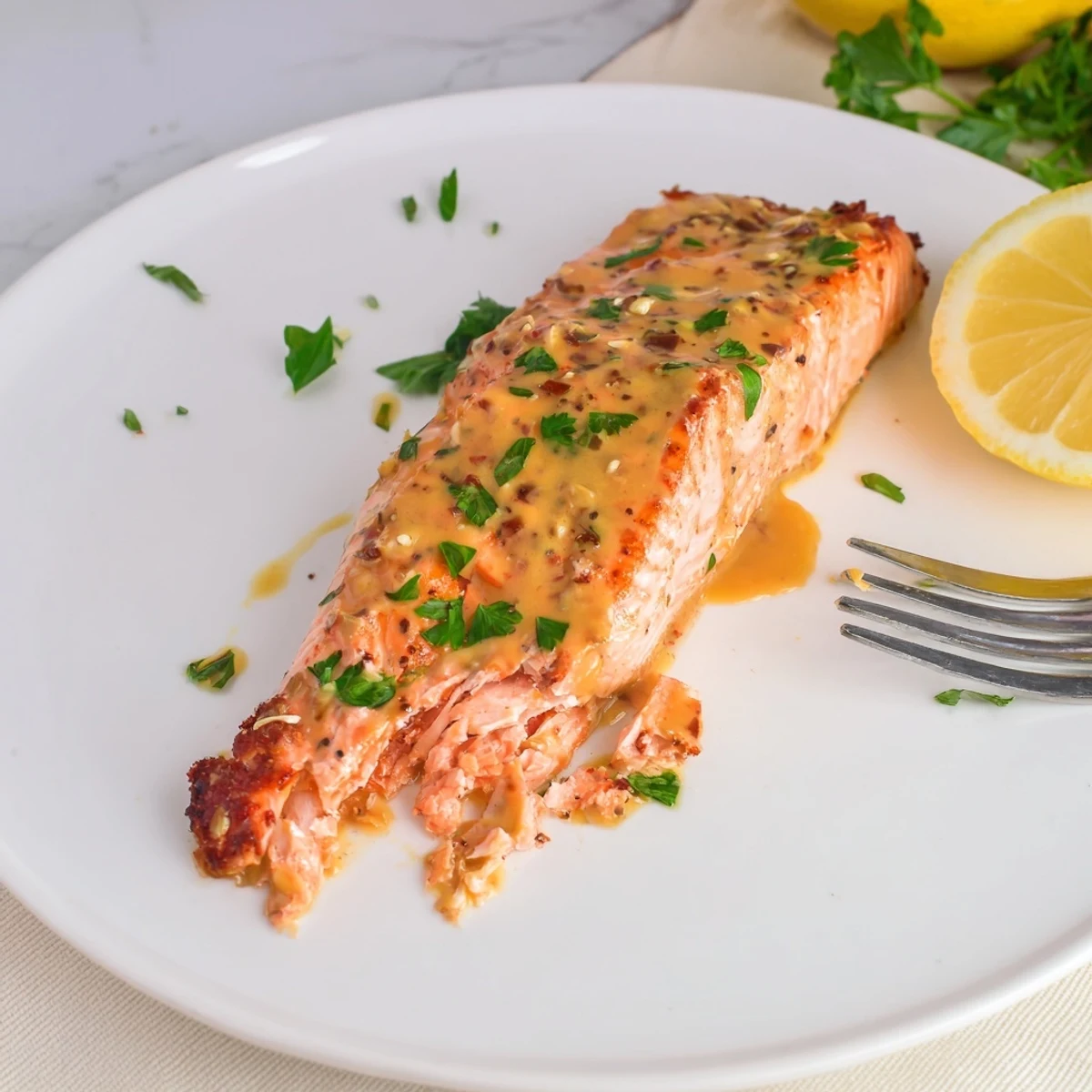
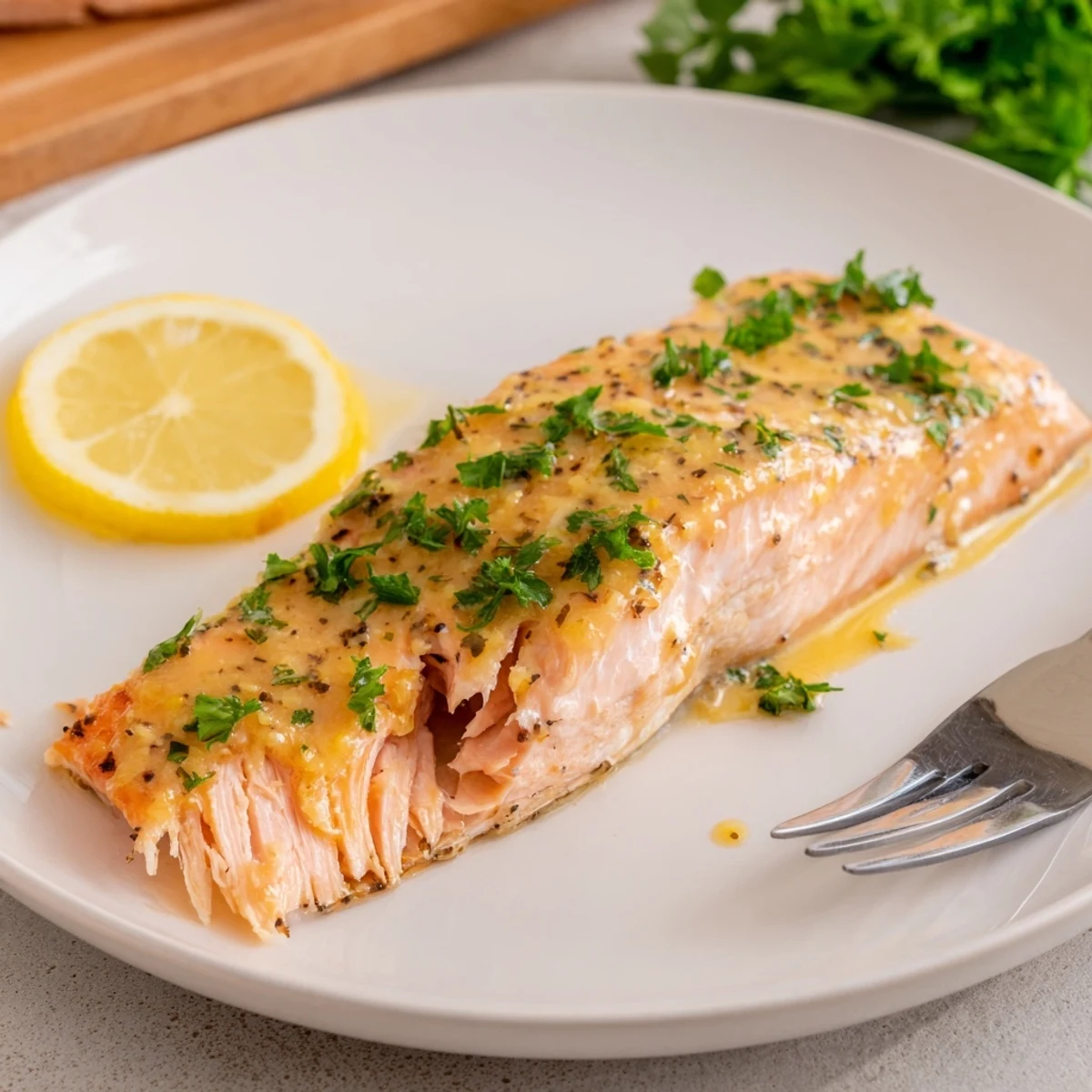
 This baked honey mustard salmon delivers perfectly tender, flaky fish with a caramelized sweet and tangy glaze. Ready in just 25 minutes, it combines Dijon mustard, honey, lemon, and garlic for a rich coating that bakes right into the fillet.
Simply whisk the glaze, brush it over the salmon, and bake at 200°C for 12–15 minutes. It's an effortless weeknight dish that pairs beautifully with steamed vegetables, fluffy rice, or a crisp green salad.
The smell of honey caramelizing against sharp mustard while salmon sizzles underneath is the kind of thing that makes you close your eyes and just stand at the oven for a moment. Tuesday nights used to mean takeout menus scattered across the counter until I stumbled onto this combination during a particularly uninspired fridge raid. Now it is the dish I reach for when I want something that feels deliberate but takes almost no effort at all.
A friend once watched me whisk the glaze together and asked if I was sure something that simple would taste like anything. She stopped talking after the first bite and now texts me for the recipe every time her mother in law visits.
Ingredients
- 4 salmon fillets about 150 g each, skin-on or skinless: Skin-on holds together better and gets slightly crispy underneath, but skinless works beautifully if that is what you have.
- 3 tbsp Dijon mustard: The backbone of the glaze, use a good quality one because you will taste every bit of it.
- 2 tbsp honey: Balances the mustard bite and helps the glaze caramelize into a sticky golden crust.
- 1 tbsp olive oil: Keeps everything silky and prevents the glaze from seizing when it hits the heat.
- 1 tbsp lemon juice freshly squeezed: Brightens the whole dish and cuts through the richness of the fish.
- 2 cloves garlic minced: Fresh garlic matters here, the jarred stuff gets lost.
- 1/2 tsp salt: Draws out the natural flavor of the salmon.
- 1/4 tsp fresh ground black pepper: A gentle warmth that ties everything together.
- 1 tbsp fresh parsley chopped (optional): Adds a pop of green freshness right at the end.
- Lemon wedges (optional): For squeezing over the finished fillets at the table.
Instructions
- Get the oven hot:
- Preheat to 200 degrees Celsius (400 degrees Fahrenheit) and line a baking sheet with parchment paper or give it a light slick of oil so nothing sticks later.
- Whisk the glaze:
- In a small bowl, combine the Dijon mustard, honey, olive oil, lemon juice, minced garlic, salt, and pepper until smooth and uniformly golden.
- Coat the salmon:
- Lay the fillets skin-side down on the prepared sheet and brush each one generously, saving a little extra glaze to dab on halfway through baking if you feel like it.
- Bake until just right:
- Slide the sheet into the oven for 12 to 15 minutes, watching for the moment the salmon flakes easily at the thickest part and turns just opaque in the center.
- Rest and finish:
- Pull the pan out, let the fish sit for two brief minutes, then scatter parsley and tuck lemon wedges alongside before bringing it to the table.
 Save to Pinterest
 There was a winter evening when the power flickered and I pulled the salmon out early, slightly underdone in the thickest part, and we ate it anyway with candles burning on the table. It was somehow the best batch I ever made.
What to Serve Alongside
Steamed green beans with a squeeze of lemon are my default side, but a pile of fluffy rice soaks up the extra glaze beautifully. A simple arugula salad with olive oil and shaved parmesan also knows its place next to this fish.
Making It Your Own
Maple syrup swaps in seamlessly for honey if you want a deeper, woodsier sweetness. A pinch of cayenne pepper in the glaze gives it a quiet heat that sneaks up on you in the best way.
Getting Ahead and Storing Leftovers
You can mix the glaze up to three days in advance and keep it in a jar in the fridge, which turns weeknight cooking into a five minute affair. Leftover salmon flakes beautifully cold over a lunch salad the next day.
- Pat the salmon dry before glazing so the mixture adheres properly.
- Do not skip the two minute rest because it finishes the cooking gently.
- Remember that carryover heat means the fish keeps cooking after you pull it from the oven.
 Save to Pinterest
 This is the kind of recipe that quietly becomes a staple without much fanfare, just reliable comfort waiting in your back pocket whenever you need it. Keep good salmon in the freezer and the rest takes care of itself.
Recipe Questions & Answers
- → What temperature should I bake salmon at?
-
Bake salmon at 200°C (400°F) for best results. This temperature creates a beautifully caramelized glaze while keeping the flesh moist and tender inside. Cooking time is typically 12–15 minutes depending on fillet thickness.
- → How do I know when the salmon is done?
-
Salmon is ready when it flakes easily with a fork and appears just opaque in the center. The internal temperature should reach 63°C (145°F). Avoid overcooking as the fish will continue to cook slightly while resting.
- → Can I marinate the salmon before baking?
-
Yes, marinating the fillets in the honey mustard glaze for up to 20 minutes before baking enhances the flavor significantly. Place them in the refrigerator while marinating, then transfer directly to the prepared baking sheet.
- → Can I substitute maple syrup for honey?
-
Absolutely. Maple syrup works as a delicious alternative to honey, offering a slightly different but equally complementary sweetness. Use the same quantity called for in the glaze mixture.
- → What sides go well with honey mustard salmon?
-
This salmon pairs wonderfully with steamed vegetables like broccoli or asparagus, fluffy white or brown rice, roasted potatoes, or a fresh leafy green salad. A squeeze of lemon over everything ties the meal together beautifully.
- → Should I use skin-on or skinless salmon fillets?
-
Either works well. Skin-on fillets help retain moisture and are easier to handle on the baking sheet. If using skinless, be gentle when transferring to avoid breaking the fillet. Place skin-side down if present.