
 Save to Pinterest
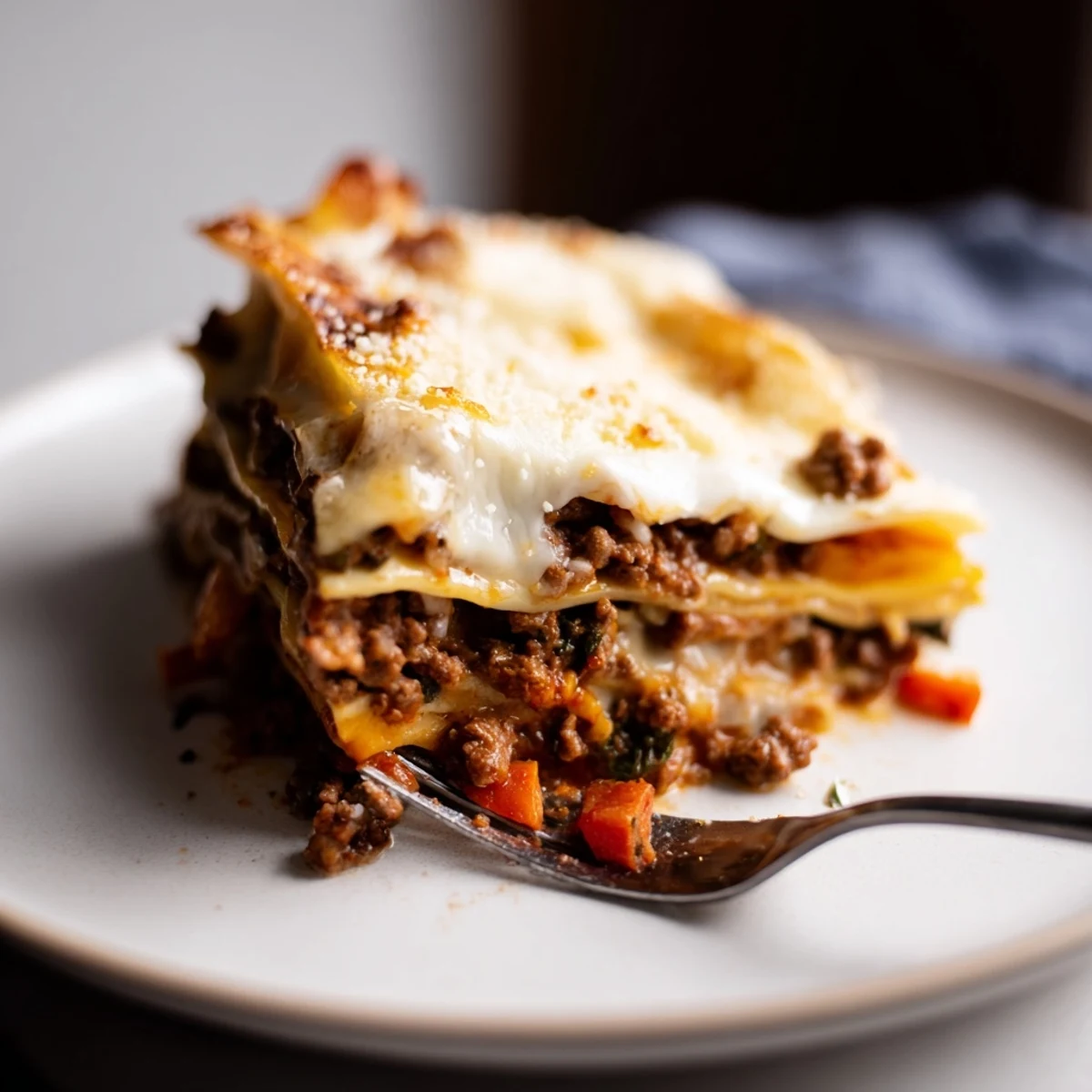
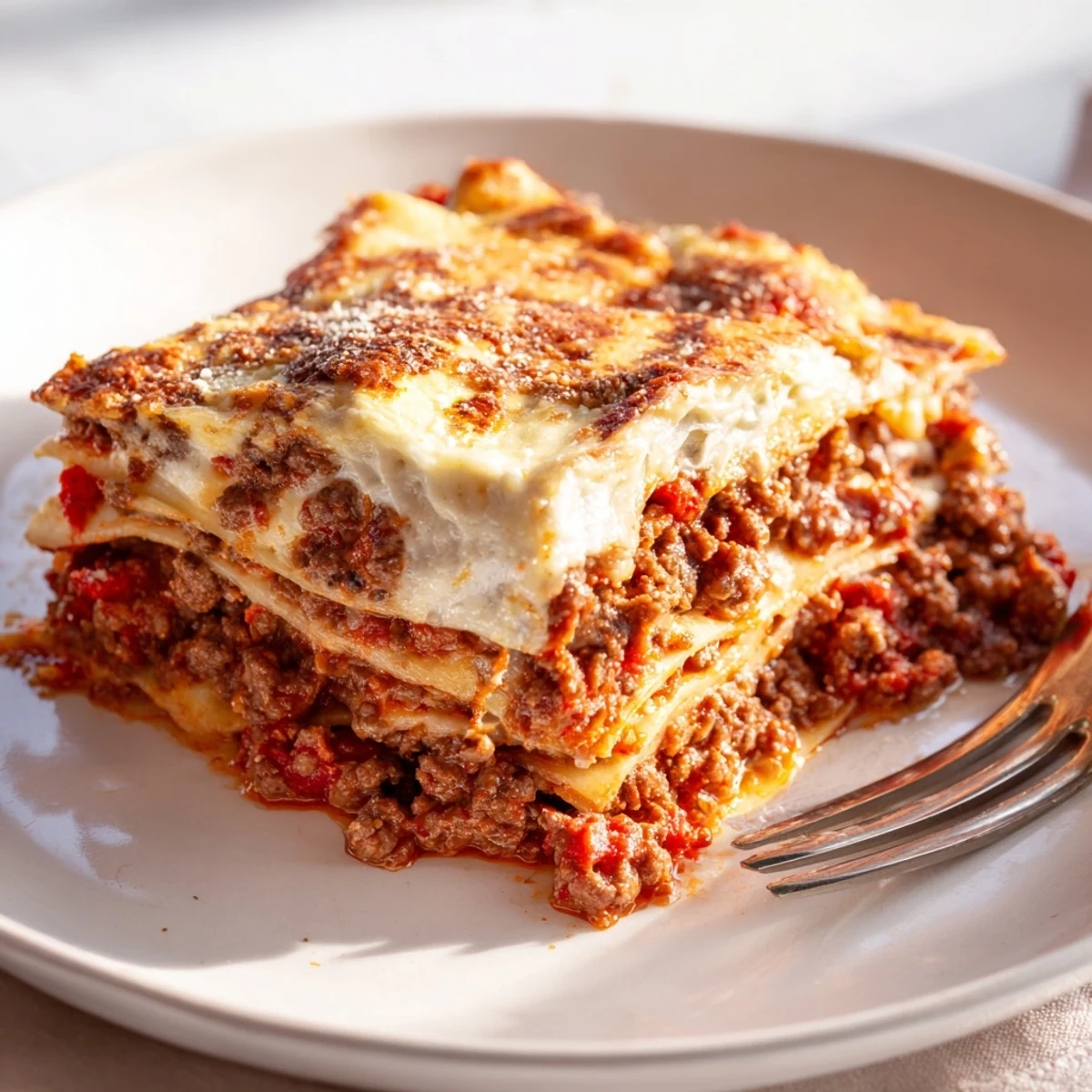
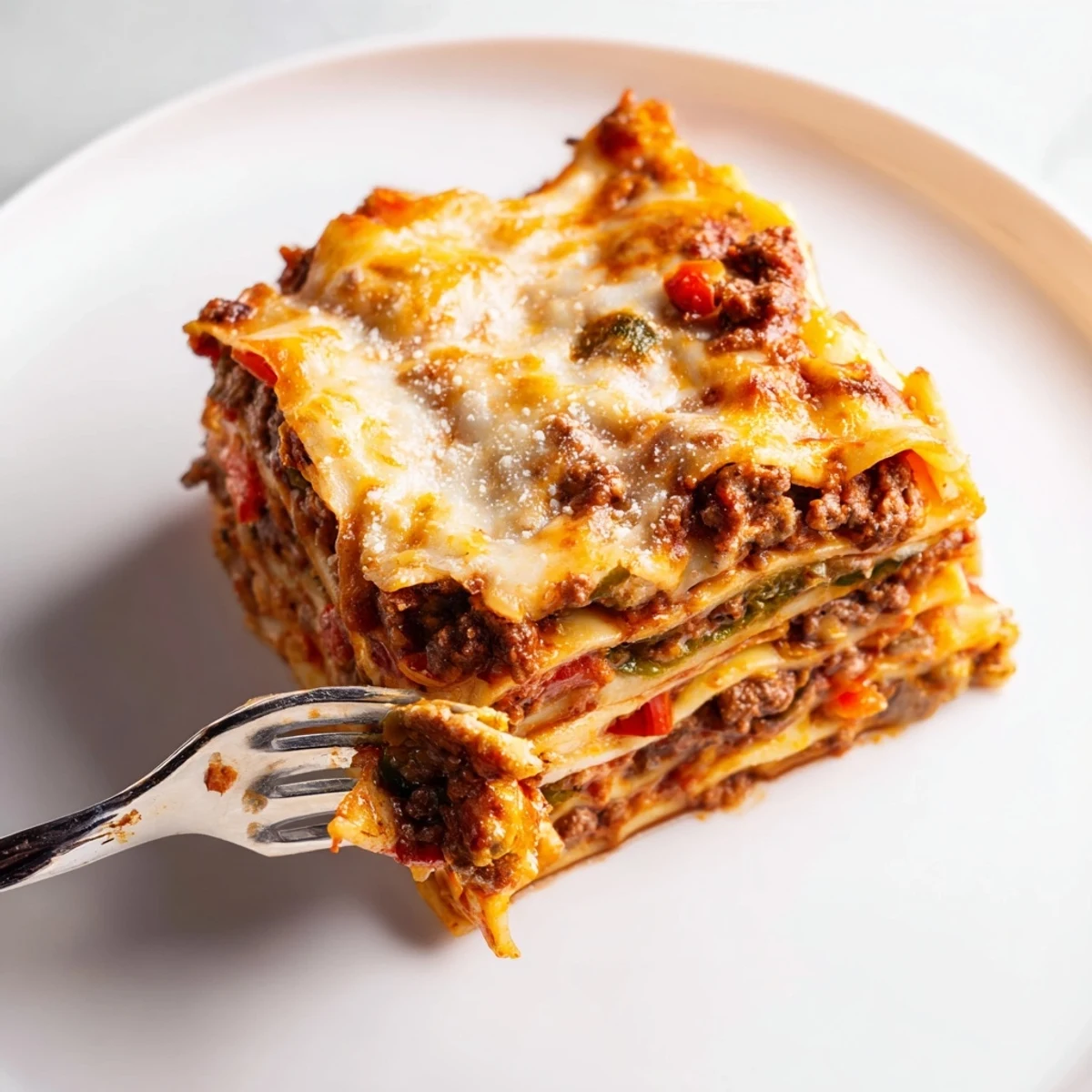
 This traditional Italian comfort dish brings together three essential components: a slow-simmered beef ragù packed with vegetables and herbs, a velvety béchamel sauce seasoned with nutmeg, and layers of tender pasta. The assembly creates perfect portions that bake until golden and bubbly. Letting it rest before serving ensures clean slices and allows flavors to meld together beautifully.
My tiny apartment kitchen smelled like an Italian nonna had taken over for the entire afternoon. The neighbors actually knocked on my door to ask what I was making, which honestly felt like the ultimate compliment. That first batch taught me that lasagne isn't just dinner it's an event that demands patience and rewards anyone willing to spend hours at the stove.
I made this for my dad's birthday one winter when he confessed he'd never had homemade lasagne. The look on his face when he took that first bite made every minute of chopping and stirring absolutely worth it. Now he requests it every year, and I've learned to double the recipe because leftovers disappear remarkably fast.
Ingredients
- Extra virgin olive oil: Creates the foundation for your ragù and adds that authentic Italian depth
- Fresh onion, carrots, celery: These three vegetables form the soffritto that builds incredible flavor from the bottom up
- Garlic: Freshly minced garlic releases more oils and aromatics than pre jarred versions
- Ground beef: 750g gives you substantial meaty layers, though I sometimes mix in ground pork for extra richness
- Tomato paste: This concentrated tomato adds umami and deep color to your sauce
- Canned crushed tomatoes: Whole tomatoes crushed by hand create better texture than pre crushed options
- Dry red wine: The alcohol evaporates but leaves behind complex fruity notes that balance the tomatoes
- Dried oregano and basil: Dried herbs actually work better here than fresh for long simmered sauces
- Sugar: Just one teaspoon cuts the acidity without making the sauce taste sweet
- Unsalted butter: Starting with unsalted butter lets you control the final seasoning perfectly
- All purpose flour: This creates the roux that thickens your béchamel into creamy perfection
- Whole milk: The fat content is crucial for that luxurious silky texture we all want
- Freshly grated nutmeg: A quarter teaspoon adds subtle warmth that makes béchamel taste professionally made
- No boil lasagne sheets: These absorb excess sauce while baking and skip the slippery pre cooking step
- Mozzarella and Parmesan: The mozzarella creates those gorgeous cheese pulls while Parmesan adds salty umami
Instructions
- Build your flavor foundation:
- Heat olive oil in your largest skillet over medium heat, then add onion, carrot, and celery. Let them cook slowly for 6 to 8 minutes until they're soft and fragrant. This step creates the base that makes your ragù taste like it simmered all day.
- Add depth and meat:
- Stir in garlic for one minute until fragrant, then add ground beef. Break it apart with your spoon and cook until browned, about 8 minutes. Don't rush this step browning the meat well adds incredible flavor.
- Concentrate the flavors:
- Stir tomato paste into the meat mixture and let cook for 2 minutes until it darkens slightly. Pour in red wine and let it bubble away until mostly evaporated. This step concentrates everything and removes the harsh alcohol taste.
- Create the simmering sauce:
- Add crushed tomatoes, oregano, basil, salt, pepper, and sugar if using. Reduce heat to low and simmer uncovered for 30 to 40 minutes. The sauce should thicken noticeably and coat the back of your spoon.
- Start the béchamel base:
- Melt butter in a saucepan over medium heat, then whisk in flour for 1 to 2 minutes. It should bubble gently but not brown. This roux is what will transform milk into a velvety sauce.
- Add the milk slowly:
- Gradually whisk in warm milk about half a cup at a time. Whisk constantly until smooth before adding more. Continue cooking for 6 to 8 minutes until thickened enough to coat a spoon.
- Season and finish:
- Remove from heat and stir in nutmeg, salt, and white pepper. Taste and adjust seasoning if needed. Set aside while you prepare everything else, but give it an occasional whisk to prevent a skin from forming.
- Preheat and prepare:
- Preheat oven to 180°C (350°F). Spread a thin layer of ragù over the bottom of your baking dish to prevent noodles from sticking. This simple step makes serving so much easier later.
- Build your first layer:
- Place lasagne sheets in a single layer, breaking them to fit if needed. Spread one quarter of the ragù evenly over noodles, then top with one quarter of béchamel. Don't worry about perfect coverage the sauce spreads as it bakes.
- Create the layers:
- Repeat three more times, ending with béchamel as your top layer. The top layer of white sauce creates that beautiful golden crust we all love. Make sure noodles are completely covered to prevent drying out.
- Add the cheese crown:
- Sprinkle mozzarella and Parmesan evenly over the final béchamel layer. I like to press the cheese down slightly so it adheres to the sauce. This prevents it from sliding off during baking.
- Bake covered first:
- Cover loosely with foil and bake for 30 minutes. The foil traps steam that helps cook the noodles through. Don't seal it too tightly or you'll trap too much moisture.
- Create the golden finish:
- Remove foil and bake another 15 to 20 minutes until cheese is golden and sauce bubbles up around edges. Watch closely in the last few minutes as cheese can go from perfect to burned quickly.
- Practice patience:
- Let lasagne rest for 15 minutes before slicing. This is crucial the layers need time to set or they'll slide apart when you cut them. The wait is torture but worth it.
 Save to Pinterest
 That birthday dinner turned into an annual tradition, and now making lasagne feels like celebrating something. The house fills with those same aromas that drew my neighbors to the door years ago. Some recipes nourish more than just hunger.
Make It Ahead
I've learned that lasagne actually improves with a night in the refrigerator. The flavors meld together and the layers firm up, making it easier to cut perfect portions. Simply assemble, cover tightly, and refrigerate for up to 24 hours before baking. You may need to add 5 to 10 minutes to the covered baking time if it's cold from the fridge.
Freezing Instructions
Lasagne freezes beautifully, making it perfect for meal prep or unexpected guests. Wrap the assembled unbaked lasagne tightly with plastic wrap and foil, then freeze for up to 3 months. Thaw overnight in the refrigerator before baking as directed. I always keep a backup in my freezer for those nights when cooking feels impossible.
Serving Suggestions
A crisp green salad with bright vinaigrette cuts through the richness perfectly. Warm crusty bread is essential for sopping up any sauce that escapes your serving spoon. And a glass of Italian red wine transforms dinner into an occasion.
- Let guests add extra Parmesan at the table
- Refrigerate leftovers within two hours
- Reheat individual portions covered to prevent drying
 Save to Pinterest
 Every time I make this, I'm transported back to that small apartment and the neighbor who became a friend over a shared love of good food. The best recipes always feed more than our stomachs.
Recipe Questions & Answers
- → Can I make this ahead of time?
-
Absolutely. Assemble the dish up to 24 hours before baking, cover tightly, and refrigerate. Add 10-15 minutes to baking time if baking cold.
- → Can I freeze lasagne?
-
Yes, freeze before baking. Wrap tightly in plastic and foil for up to 3 months. Thaw overnight in refrigerator before baking.
- → Why do I need to let it rest?
-
Resting allows the layers to set, making clean slices easier. It also lets the very hot internal temperature drop slightly for better eating.
- → Can I use no-boil noodles?
-
This method calls for no-boil sheets, which absorb moisture from the sauces during baking. If using traditional noodles, par-boil them first.
- → What wine works best in the ragù?
-
Dry red wine like Chianti, Sangiovese, or Merlot adds depth. The alcohol evaporates while cooking, leaving rich flavor behind.
- → How do I know when it's done?
-
The cheese should be golden and bubbly, and you should see the sauces actively bubbling around the edges. A knife inserted in the center should come out hot.