
 Save to Pinterest
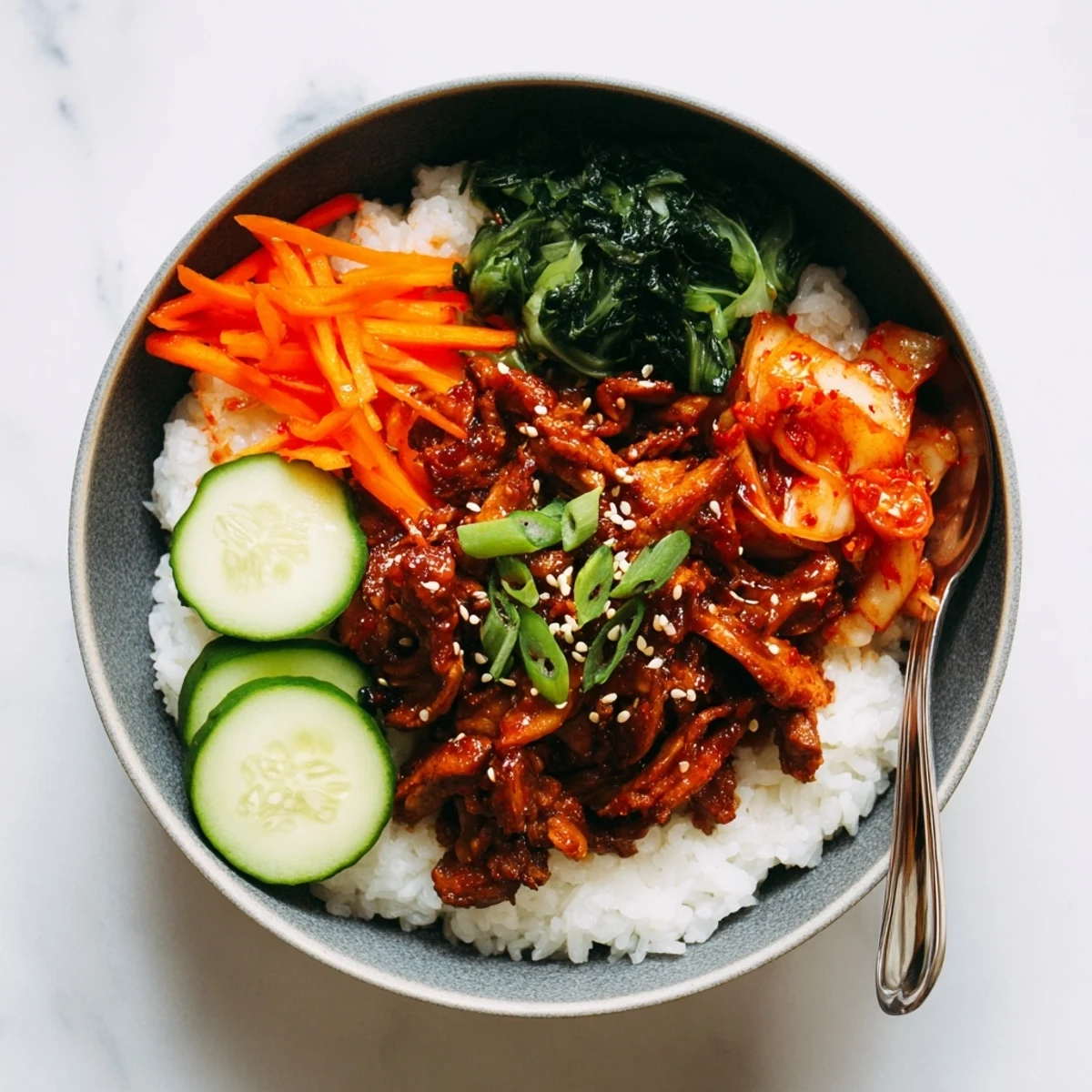
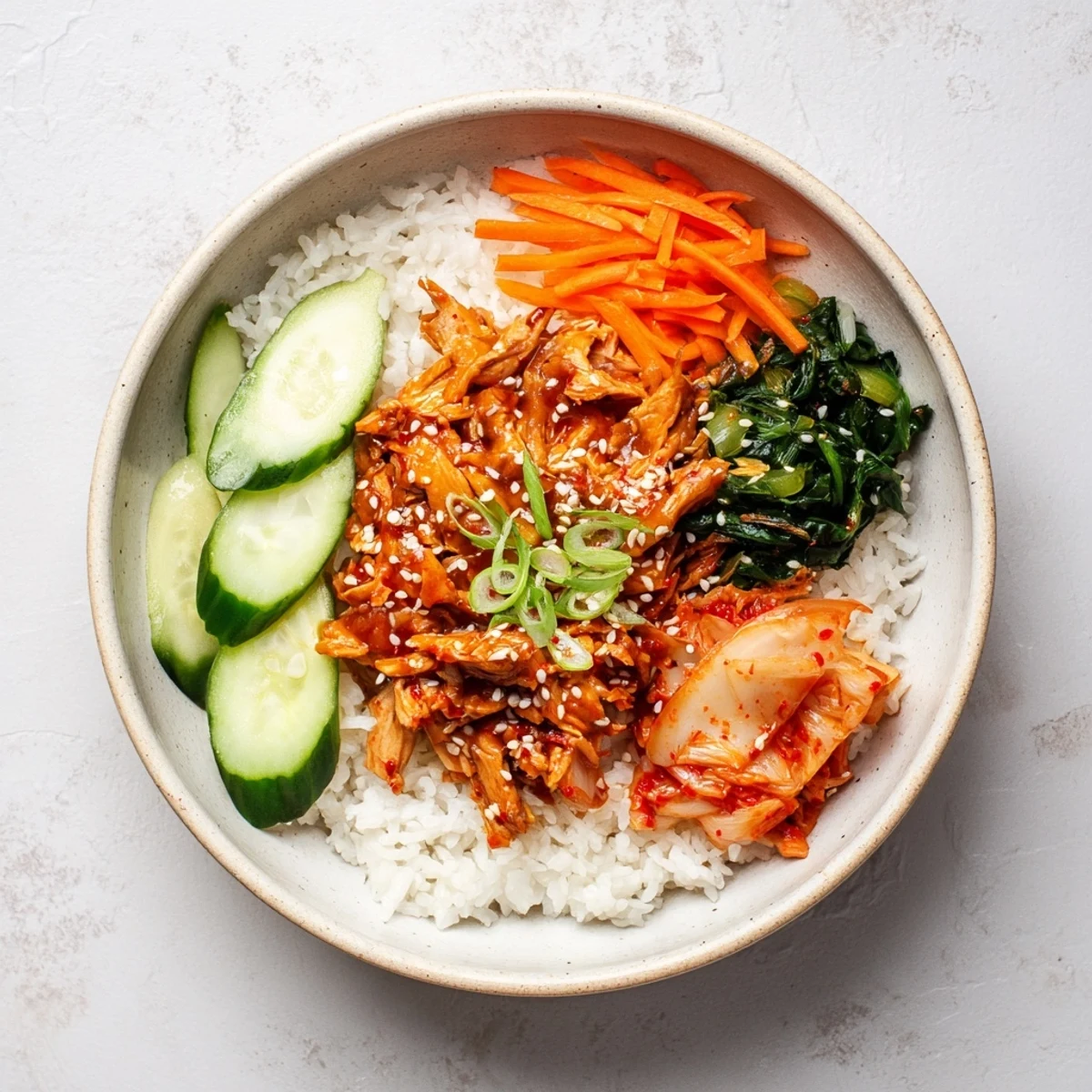
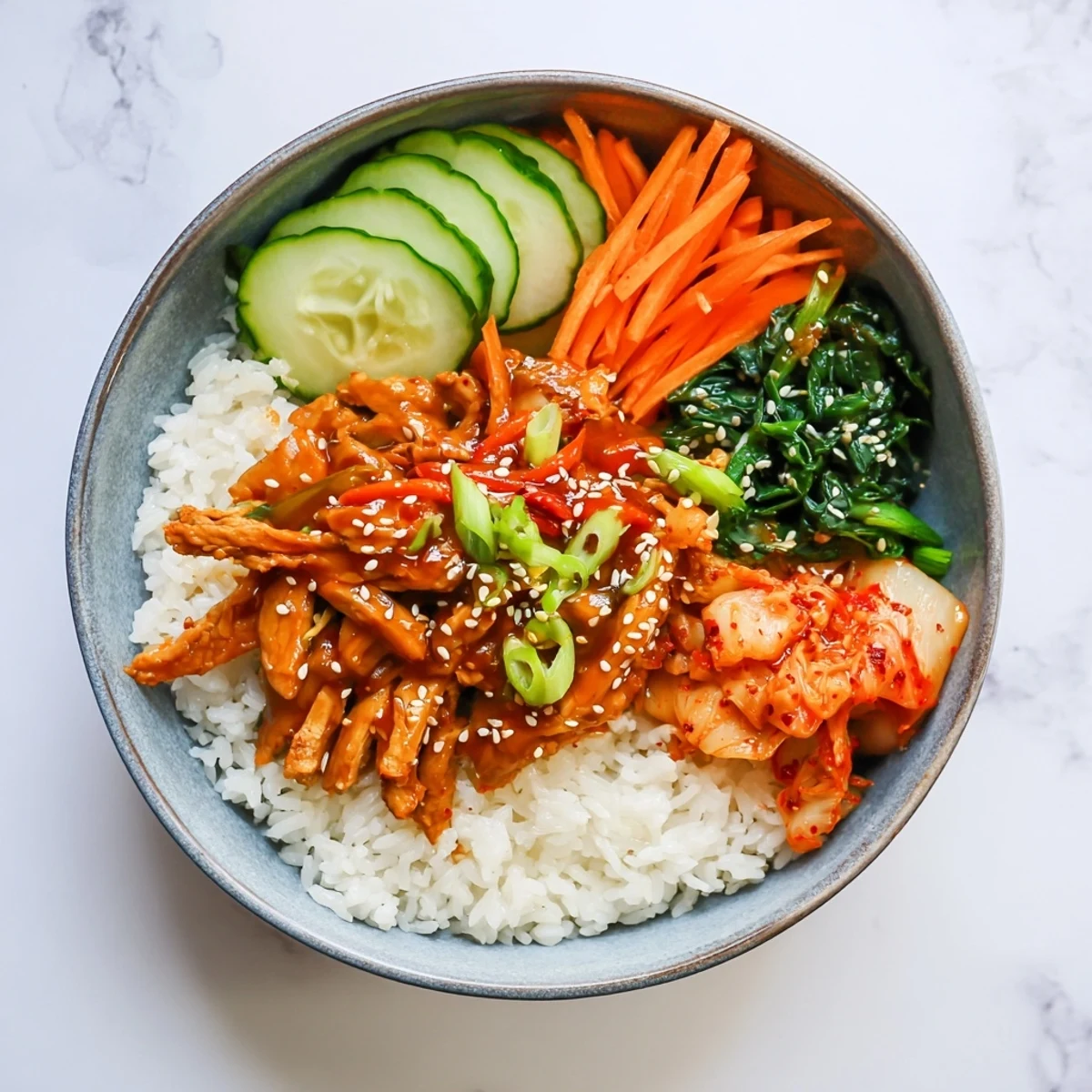
 This Korean-inspired bowl starts with extra-firm tofu shredded into pulled pieces, coated in cornstarch, and baked until deeply golden and crisp. While the tofu crisps up, a rich bulgogi sauce comes together with soy sauce, brown sugar, mirin, sesame oil, garlic, ginger, and a hit of gochujang for subtle warmth. The crispy tofu gets tossed straight into the sauce, then piled over short-grain rice alongside julienned carrot, thinly sliced cucumber, sautéed spinach, and optional kimchi. It all comes together in about 40 minutes with straightforward techniques—shredding, whisking, and baking. The result is a bowl that hits every note: sweet, savory, slightly spicy, and deeply satisfying with that irresistible crunch on the tofu.
My college roommate Minji used to make bulgogi on a tiny electric skillet in our dorm, and the smell would drift down the hallway until the whole floor appeared at our door. I never thought a vegan version could hit that same deep savory note until I started shredding tofu instead of slicing it, which completely changed the texture game. The crispy edges soak up that sweet soy glaze in a way that feels almost too good for a weeknight dinner.
I brought a big batch of these bowls to a friend's rooftop potluck last summer, and her normally tofu-skeptical husband went back for thirds without a word. Sometimes the best way to win people over is just to put something crispy and caramelized in front of them and say nothing.
Ingredients
- Extra-firm tofu: Pressing is nonnegotiable here because water is the enemy of crispiness, and I have learned this the hard way more times than I care to admit
- Cornstarch: This creates the light shaggy coating that turns golden and crunchy in the oven
- Neutral oil: Sunflower or canola works best since it will not compete with the sesame flavors already in the sauce
- Soy sauce: The salty backbone of the whole dish, and tamari is an easy swap if gluten is a concern
- Brown sugar: Balances the salt and helps the sauce caramelize onto the hot tofu
- Mirin: Adds a subtle sweetness and depth that rice vinegar alone cannot quite replicate
- Sesame oil: Just one tablespoon but it delivers that unmistakable Korean aromatics
- Garlic and ginger: Fresh is worth it here, and grating the ginger releases more flavor than mincing
- Gochujang: Optional but it adds a slow building warmth that makes the bowl feel complete
- Toasted sesame seeds: These are not just garnish, they add a nutty crunch that ties everything together
- Green onion: Raw slices scattered on top provide a sharp fresh contrast to the rich sauce
- Short-grain white rice: Sticky rice is essential because it holds the bowl together when you mix everything
- Carrot and cucumber: The crunch and color they bring make the bowl feel alive and not just heavy
- Sautéed spinach: A quick blanch with a drop of sesame oil turns plain spinach into something special
- Kimchi: Even a small spoonful adds fermented tang that cuts through the sweetness beautifully
Instructions
- Get the oven hot and ready:
- Preheat to 220 degrees Celsius and line a baking tray with parchment so nothing sticks later.
- Shred and coat the tofu:
- Use your hands or a fork to pull the pressed tofu into irregular bite sized pieces, then toss with cornstarch until every strand has a light dusty coating.
- Crisp it up:
- Spread the tofu on the tray, drizzle with oil, and bake for 25 to 30 minutes, tossing halfway through until deeply golden and audibly crispy.
- Whisk the bulgogi sauce:
- Combine soy sauce, brown sugar, mirin, sesame oil, garlic, ginger, gochujang, sesame seeds, and chopped green onion in a bowl until the sugar dissolves completely.
- Prep the rice and veggies:
- Divide warm rice into bowls, blanch the spinach with a pinch of salt and sesame oil, and slice the carrot and cucumber into thin ribbons.
- Toss and assemble:
- Pull the crispy tofu from the oven and immediately fold it into the bulgogi sauce, then pile it on top of the rice with all the veggies and a spoonful of kimchi.
- Garnish and serve right away:
- Scatter extra sesame seeds, sliced red chili, and green onion on top, and get it to the table before the tofu softens.
 Save to Pinterest
 There was a Tuesday night not long ago when I was too tired to cook anything complicated but craved something that felt like a real meal. This bowl came together in the time it took to steam rice, and sitting on the couch with it felt like a small act of self care I did not know I needed.
Picking the Right Rice
Short-grain white rice is the traditional choice for Korean bowls because its slight stickiness grabs onto the sauce and keeps every bite cohesive. I have tried it with jasmine and basmati and while the flavors still work, the bowl ends up feeling scattered instead of unified.
Oven vs Stovetop
The oven gives you more even crisping across all the tofu strands without needing to stand at the stove, but a hot nonstick skillet in batches produces a slightly chewier crust that some people actually prefer. Both methods work as long as you resist the urge to crowd the pan.
Making It Yours
The beauty of a bowl like this is that nothing is sacred except the crispy tofu and that sauce. I have added sauteed mushrooms, sliced avocado, bean sprouts, and even a soft fried egg on top when I was not cooking for vegan friends.
- Try cauliflower rice if you want something lighter but still satisfying
- A drizzle of extra gochujang mixed with a little maple syrup makes a great finishing sauce
- Leftover tofu sauce combo reheats surprisingly well in an air fryer the next day
 Save to Pinterest
 This is the bowl I make when I want something that tastes like it took hours but actually lets me sit down with a glass of barley tea before the evening slips away. Sometimes the simplest comfort is just rice, something crispy, and a sauce that hits every flavor note.
Recipe Questions & Answers
- → How do I get the tofu really crispy?
-
Press the tofu thoroughly to remove excess moisture, shred it into small pieces, and coat evenly with cornstarch. Bake at 220°C on a parchment-lined tray, tossing halfway through, until golden and firm all over.
- → Can I make this gluten-free?
-
Yes. Swap soy sauce for tamari and verify that your gochujang brand is gluten-free. Most other ingredients are naturally gluten-free.
- → What can I use instead of gochujang?
-
Sriracha works as a substitute if you want heat without the fermented depth of gochujang. You can also omit it entirely for a milder, sweeter profile.
- → Can I pan-fry instead of baking the tofu?
-
Absolutely. Heat a non-stick skillet with a thin layer of oil and pan-fry the shredded tofu in batches over medium-high heat until crisp on all sides.
- → How do I store and reheat leftovers?
-
Keep components separate in airtight containers in the fridge for up to 3 days. Reheat tofu in a dry skillet or oven to restore crispness, and warm rice and veggies separately.
- → Can I use a different grain?
-
Brown rice, quinoa, or cauliflower rice all work well. Brown rice adds nuttiness and fiber, while cauliflower rice keeps it lighter and lower in carbohydrates.