
 Save to Pinterest
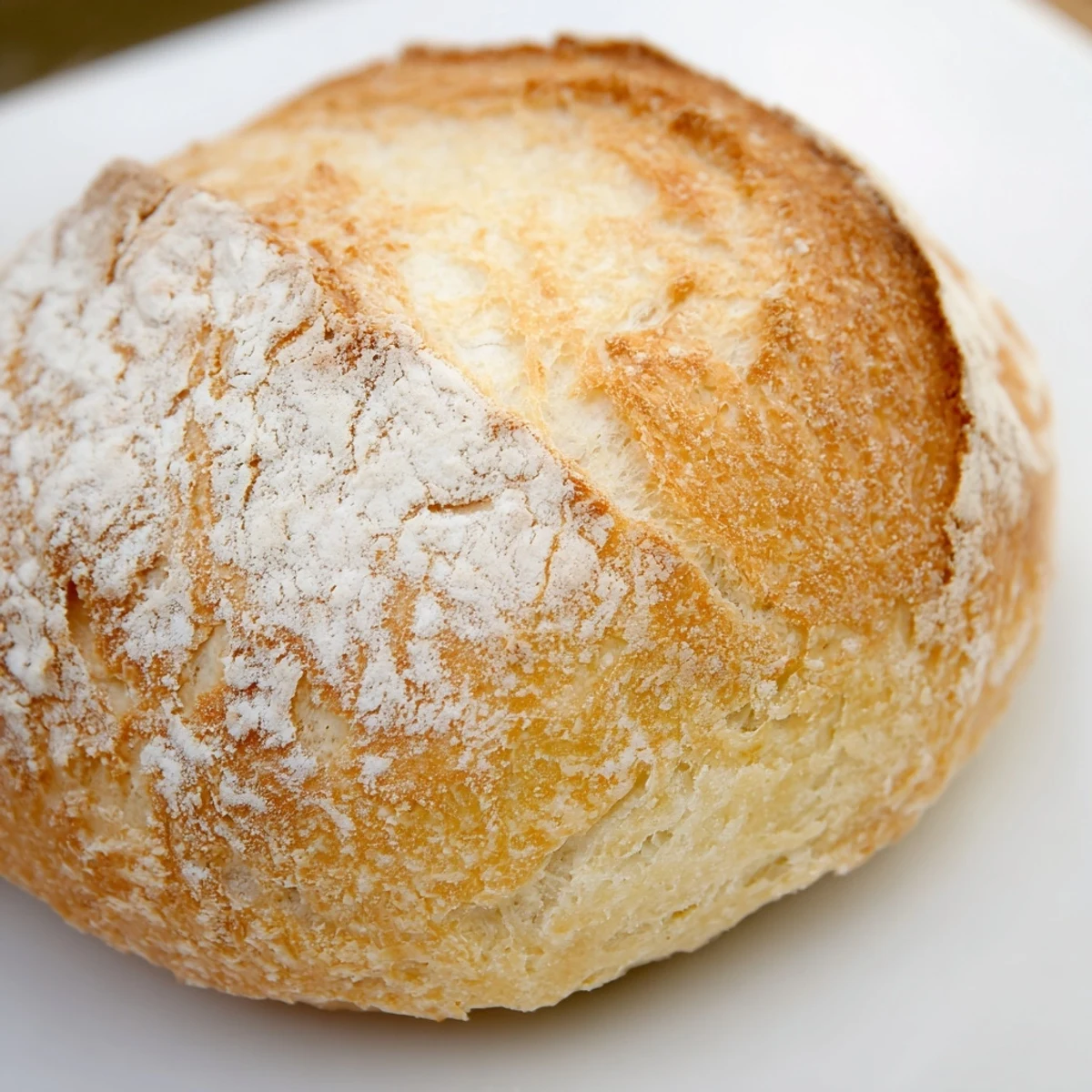
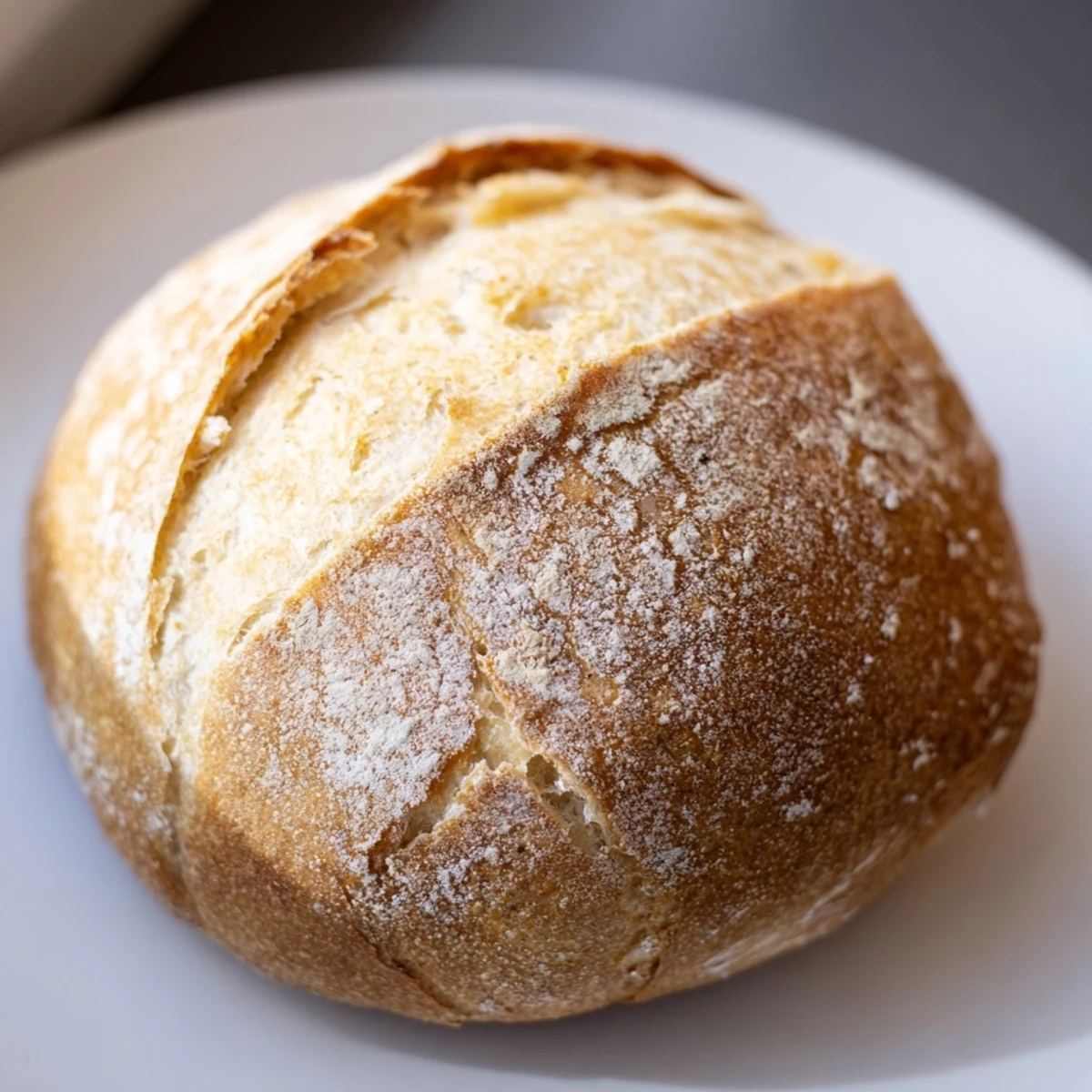
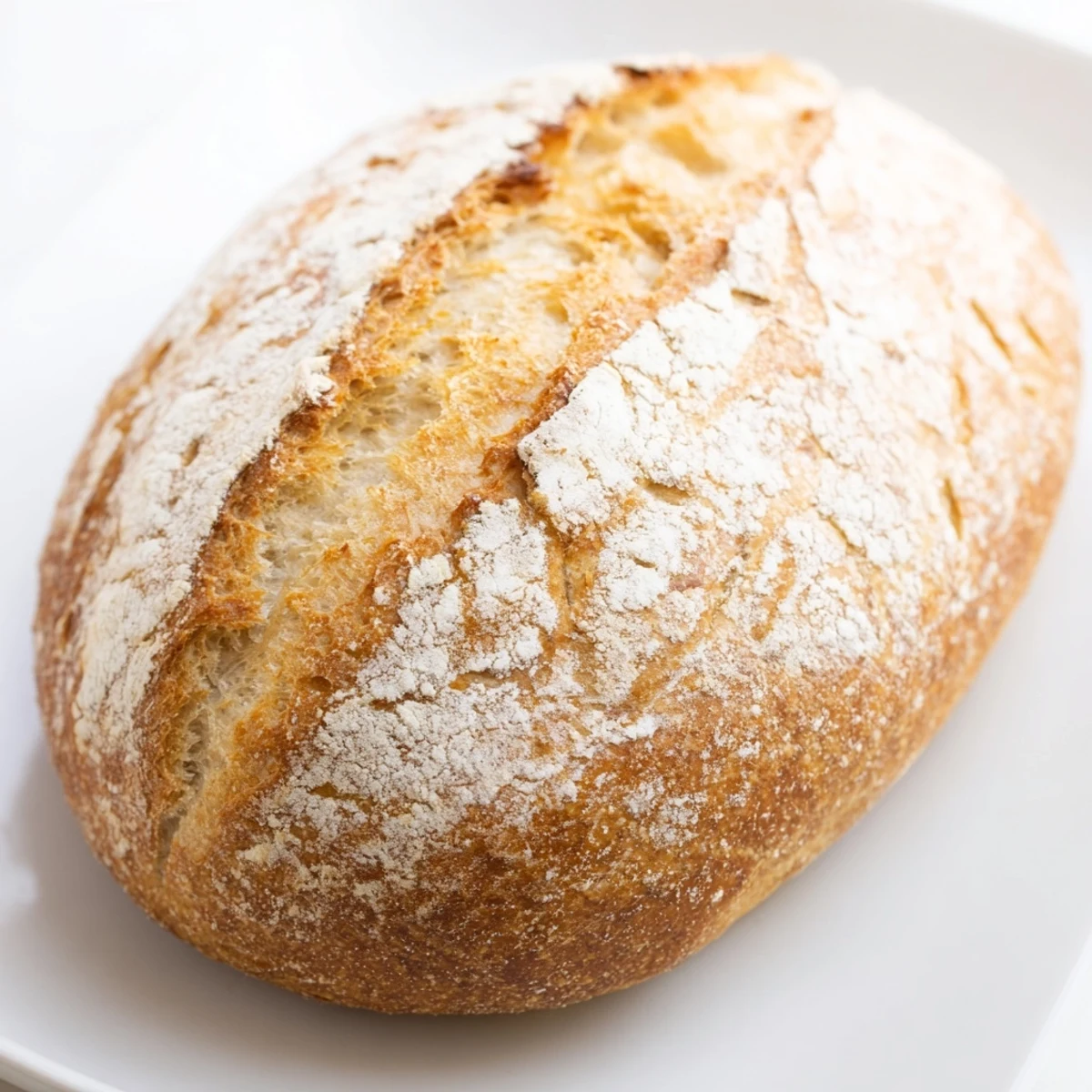
 These classic French bread rolls feature a golden, crispy crust that gives way to a tender, airy interior. Perfect for serving warm with salted butter, pairing alongside hearty soups, or building your favorite sandwiches. The steam-baking technique creates that signature crackly crust while keeping the inside soft and chewy.
My tiny apartment kitchen smelled like a professional bakery for the first time when I attempted these rolls. The steam trick was something I'd read about in old French cooking texts, and watching those golden beauties rise through the oven door felt like magic. Now I make them whenever I need a little comfort.
These rolls saved a disastrous soup night last winter when I realized I had forgotten to buy bread. Emergency yeast activation and some frantic kneading later, my family actually preferred them to the bakery baguette I usually grab. The steam trick is what makes them taste like they came from a real boulangerie.
Ingredients
- Bread flour: The higher protein content creates that satisfying chewy texture we all love in artisan bread
- Lukewarm water: Perfect temperature activates your yeast without killing it, about body temperature works beautifully
- Active dry yeast: This little organism does all the heavy lifting, creating those gorgeous air pockets inside
- Salt: Do not skip this, it enhances flavor and controls the fermentation process
- Sugar: Just a touch helps feed the yeast and encourages that beautiful golden color
Instructions
- Wake up the yeast:
- Dissolve sugar in lukewarm water, stir in yeast, and wait until it blooms into a foamy layer, about 5 to 10 minutes
- Build your dough:
- Mix flour and salt into the yeast mixture, then knead until the dough transforms from shaggy to smooth and elastic
- First rise:
- Place dough in a greased bowl, cover with a damp cloth, and let it rest in a warm spot until doubled
- Shape the rolls:
- Punch down gently, divide into 8 equal pieces, and form each into a neat ball or oval shape
- Second rise:
- Arrange on parchment paper, cover loosely, and let them puff up for 30 to 40 minutes
- Create steam:
- Preheat oven to 230C (450F) with a water tray on bottom rack, this moisture is the secret to crusty perfection
- Score and bake:
- Dust tops with flour, slash each roll with a sharp knife, and bake until golden brown and crusty
 Save to Pinterest
 My neighbor once knocked on my door thinking I'd started a bakery business. Now she requests these rolls for every potluck. Something about homemade bread makes people feel truly cared for.
Getting That Perfect Crust
The steam method is what separates amateur bread from professional loaves. That water tray creates a humid environment that allows the crust to expand before it sets, giving you that satisfying crackle when you bite into it.
Shaping Secrets
Creating tension on the surface of each roll helps them hold their shape beautifully. Pull the dough tight across the top and tuck the underneath seam for those smooth, professional-looking domes.
Serving Suggestions
These rolls are incredibly versatile and shine in so many ways. Try splitting them for sandwiches or simply tearing into them while still warm.
- Slather with salted butter the moment they come out of the oven
- Use them to soak up every drop of homemade soup or stew
- Cube and toast them for the most croutons you have ever tasted
 Save to Pinterest
 There is something profoundly satisfying about making bread that rivals any bakery. Your kitchen will smell amazing, and you will never want to go back to store-bought rolls again.
Recipe Questions & Answers
- → What makes these rolls crusty?
-
The steam created by placing a water tray in the bottom rack helps develop a crispy, golden crust while keeping the interior tender.
- → How long do these rolls stay fresh?
-
Best enjoyed fresh within 24 hours. Store in an airtight bag at room temperature. Reheat in a 180°C oven for 5 minutes to restore crispiness.
- → Can I freeze the dough?
-
Yes, freeze after first rise. Thaw overnight in refrigerator, then proceed with shaping and second rising before baking.
- → What can I add for extra flavor?
-
Try adding herbs like rosemary or thyme to the dough. Poppy seeds, sesame seeds, or coarse sea salt make excellent toppings.
- → Why does my dough need to rise twice?
-
The first rise develops flavor and texture. The second rise after shaping creates the light, airy interior structure of the finished rolls.