
 Save to Pinterest
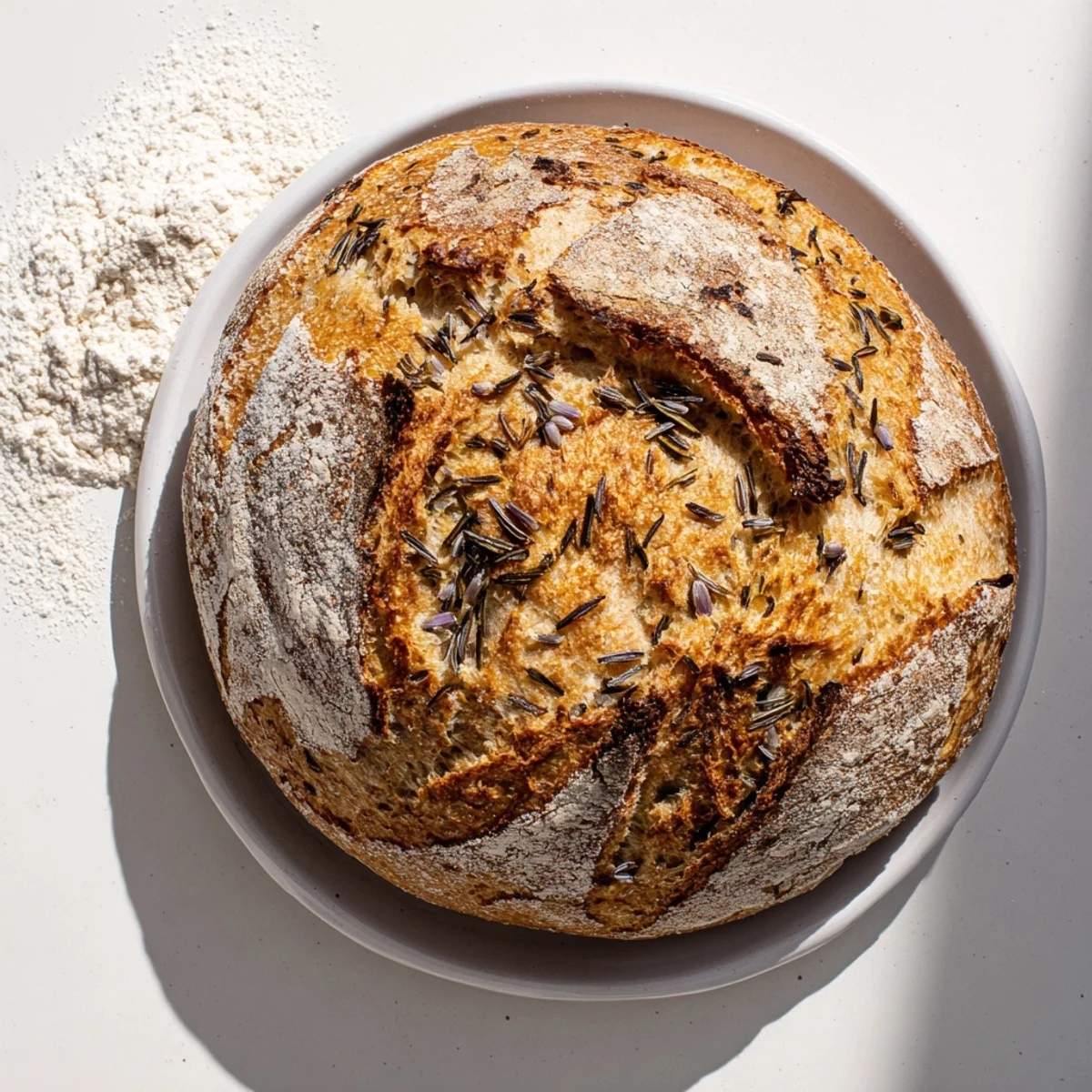
 Master the art of creating rustic European-style bread infused with aromatic garlic and fresh rosemary. This traditional method yields a bakery-quality loaf with a crackling golden crust and tender, flavorful crumb. The Dutch oven creates steam for professional oven spring, while minimal yeast allows for slow fermentation.
Perfect for beginners seeking impressive results, this versatile dough welcomes variations like olives or sun-dried tomatoes. The hands-off technique requires just 20 minutes active time, making it ideal for busy home bakers.
The whole house fills with that incredible roasted garlic smell the moment this bread hits the hot Dutch oven. I started making this during a particularly rainy autumn when my tiny apartment felt too cold and quiet, and the warmth of baking bread became something I genuinely looked forward to all day long.
My sister visited last winter and we ate almost the entire loaf standing at the counter, still warm from the oven, slathering slices with salted butter. She kept sneaking pieces every time she walked past the cooling rack, claiming she was just quality checking the crumb.
Ingredients
- Bread flour: Higher protein content than all purpose gives this bread structure and that satisfying chewy texture
- Sea salt: Fine sea salt distributes evenly through the dough and enhances all the other flavors
- Active dry yeast: This tiny amount works perfectly for a long slow rise that develops incredible depth
- Lukewarm water: Water that feels slightly warm to your wrist activates the yeast without killing it
- Olive oil: Adds subtle richness and helps keep the crumb tender even after baking
- Fresh garlic: Minced fresh garlic mellows beautifully during baking, giving aromatic pockets of flavor
- Fresh rosemary: Woody and piney, fresh rosemary pairs perfectly with garlic and cuts through the richness
Instructions
- Mix the base dough:
- Whisk together bread flour, salt, and yeast in a large bowl until everything is evenly combined
- Combine wet and dry:
- Pour in lukewarm water and olive oil, stirring until the flour is fully hydrated and you have a shaggy, sticky dough
- Add the aromatics:
- Fold in minced garlic and chopped rosemary until distributed throughout the dough, being gentle to avoid deflating it
- First rise:
- Cover the bowl and let it rest at room temperature for 2 to 3 hours until the dough has doubled in size
- Shape the loaf:
- Turn the dough onto a floured surface and use floured hands to gently shape it into a round ball
- Second rise:
- Place the dough seam side down on parchment paper, cover loosely, and let rest for 30 to 45 minutes
- Preheat your Dutch oven:
- Place your Dutch oven with its lid in the oven and heat to 450 degrees F for at least 30 minutes
- Bake covered:
- Carefully transfer the dough into the hot Dutch oven, cover, and bake for 30 minutes
- Create the crust:
- Remove the lid and bake for another 12 to 15 minutes until the crust is deep golden brown
- Cool completely:
- Let the bread cool on a rack for at least 20 minutes before slicing to preserve the texture
 Save to Pinterest
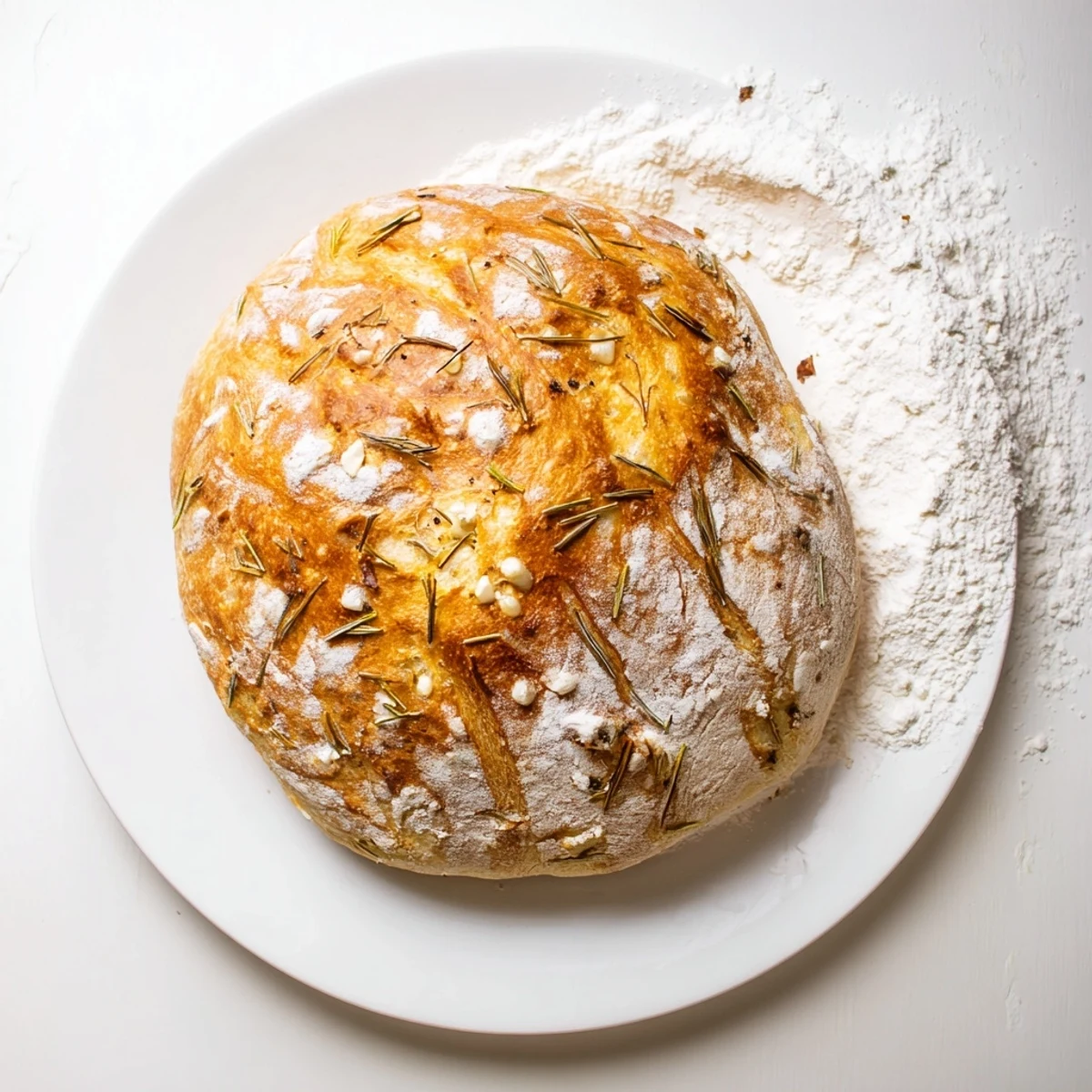
 This bread has become my go to for dinner parties because people honestly cannot believe it came out of my home kitchen. Something about pulling apart warm, garlicky bread with friends makes any meal feel like a special occasion.
Making It Your Own
I have experimented with adding kalamata olives or sun dried tomatoes to the dough, and both variations absolutely sing. The olives add briny pops while the tomatoes bring sweetness that balances the garlic beautifully.
The Science Behind the Steam
That covered Dutch oven creates a steam filled environment that lets the bread expand fully before the crust sets. Removing the lid for the final minutes is what gives you that shattering, bakery style crust.
Storage and Serving
This bread is truly at its absolute best the day it is made, when the crust is at its crispest and the interior is still slightly warm from baking.
- Leftovers make incredible toast the next morning, maybe with a poached egg on top
- Store cut side down on a cutting board, wrapped loosely in a clean kitchen towel
- Revive slightly stale bread by warming it in a 350 degree oven for about 10 minutes
 Save to Pinterest
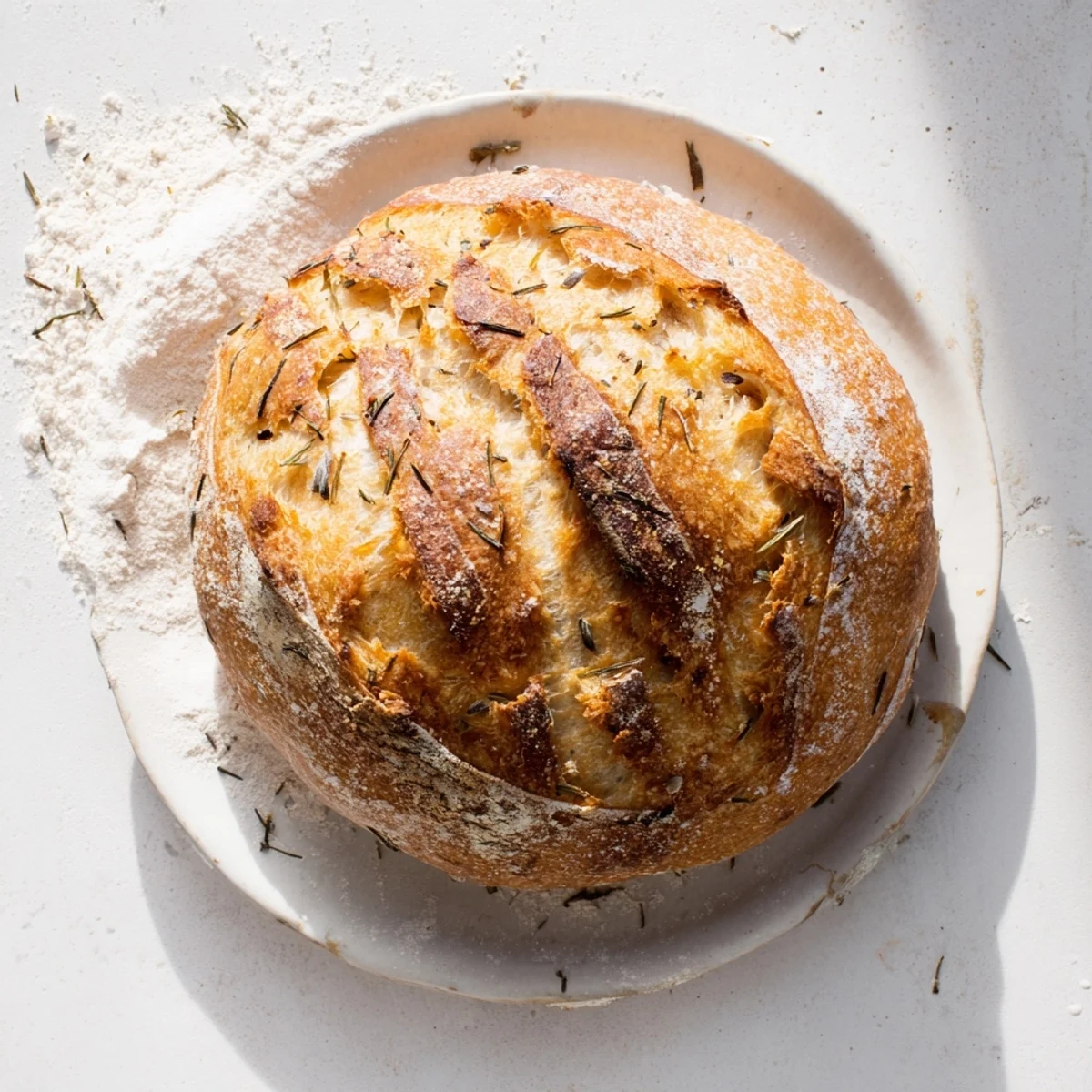
 There is something deeply satisfying about pulling a perfectly golden loaf out of the oven, knowing you created something so delicious from just a few simple ingredients.
Recipe Questions & Answers
- → Can I use dried rosemary instead of fresh?
-
Fresh rosemary provides superior aroma and flavor, but dried can be substituted. Use one-third the amount since dried herbs are more concentrated. Rehydrate the dried rosemary in warm water for 10 minutes before adding to the dough.
- → Why must the Dutch oven be preheated?
-
Preheating creates instant steam when the dough hits the hot surface, essential for developing a crackly crust and maximum oven spring. The intense initial heat sets the crust quickly, trapping moisture inside for a soft interior.
- → Can I bake this without a Dutch oven?
-
While a Dutch oven yields the best results, you can use a heavy baking stone or steel. Create steam by placing a metal pan with ice cubes on the bottom rack. Cover the bread loosely with foil for the first 20 minutes to trap moisture.
- → How do I know when the bread is done?
-
The crust should be deep golden brown. Tap the bottom—it should sound hollow. An instant thermometer inserted into the center should read 200-205°F (93-96°C). If unsure, bake an additional 5 minutes.
- → Can I refrigerate the dough overnight?
-
Absolutely. After the initial rise, refrigerate the dough for up to 24 hours. This slow fermentation develops deeper flavor. Bring to room temperature for 30 minutes before shaping and baking.
- → Why does my bread have a dense texture?
-
Dense bread usually results from under-proofing or over-kneading. Ensure the dough doubles in size during each rise. Don't overwork the dough when shaping—gentle handling preserves the air bubbles needed for light texture.