
 Save to Pinterest
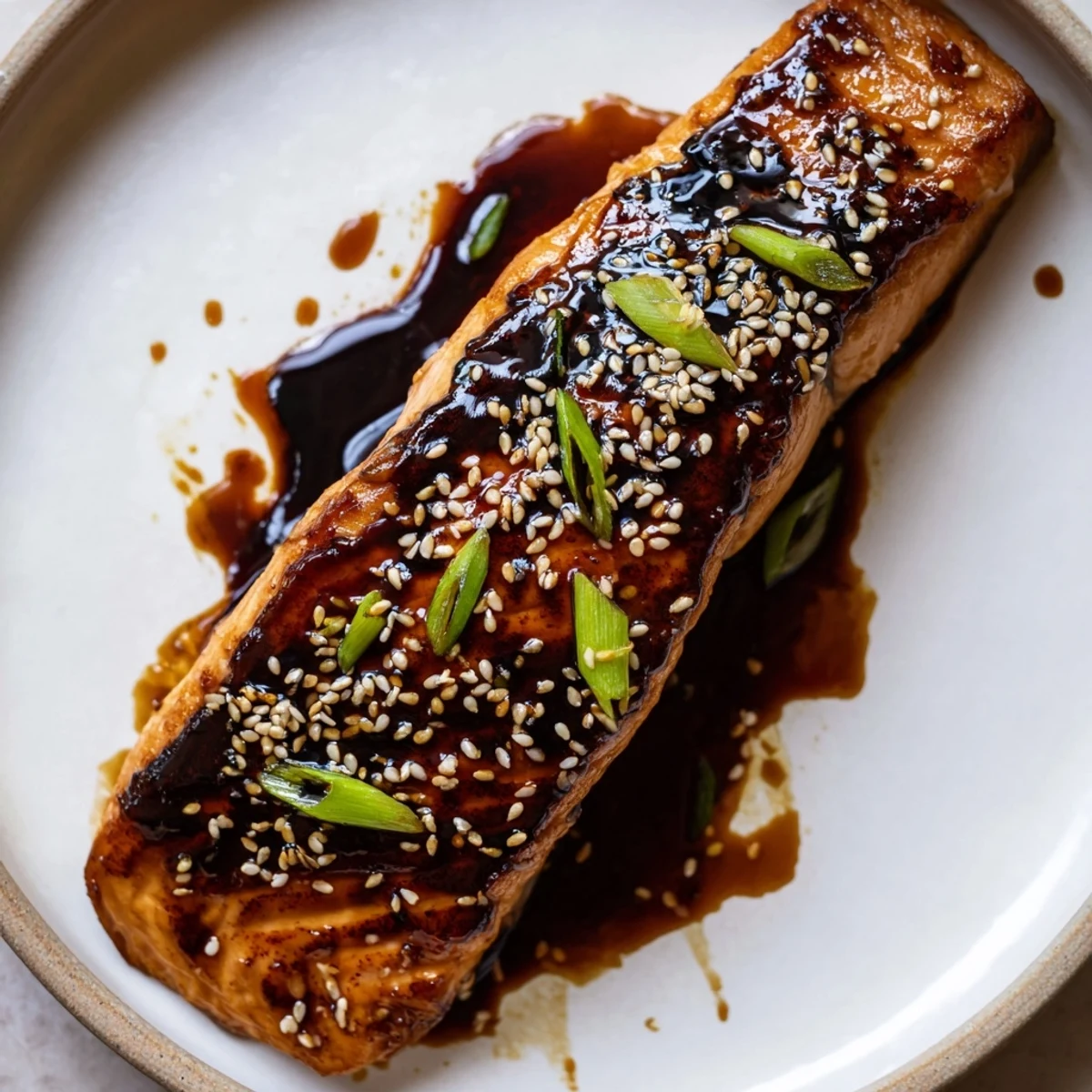
 This gluten-free teriyaki salmon brings together succulent fillets with a luscious homemade teriyaki glaze made from tamari, maple syrup, rice vinegar, and aromatic garlic and ginger.
The salmon is brushed generously with the thickened sauce and baked at 200°C for 12–15 minutes until perfectly flaky and opaque. A quick broil at the end adds beautiful caramelization.
Ready in just 25 minutes from start to finish, it's an ideal weeknight dinner that doesn't compromise on flavor. Garnish with toasted sesame seeds, sliced green onions, and a squeeze of fresh lemon for a restaurant-quality finish.
The sizzle of salmon hitting a hot pan is one of those sounds that instantly makes a kitchen feel alive, and this teriyaki version has been my go-to on nights when I want something impressive without the fuss. I stumbled onto using maple syrup instead of sugar in the glaze during a particularly lazy Tuesday when the honey jar was empty and the maple bottle was right there. That accidental swap gave the sauce a rounder, warmer sweetness that I have never bothered to change back.
My neighbor Linda once knocked on my door holding a plate of cookies right as I was pulling a batch of this salmon out of the oven, and she ended up staying for dinner instead of delivering her baked goods. The smell alone was enough to make her forget why she had come over, and we stood in the kitchen eating salmon off the baking sheet with forks before I even had a chance to plate anything properly.
Ingredients
- 4 salmon fillets (about 150 g each): Skin on holds together beautifully during baking, but skin off works fine if you prefer ease of eating.
- 60 ml gluten free tamari: This is your flavor backbone, so grab a good quality bottle and make sure it is certified gluten free.
- 2 tbsp pure maple syrup or honey: Maple gives a mellow sweetness, while honey skews slightly floral, so pick based on your mood.
- 2 tbsp rice vinegar: A splash of acidity balances the richness of the salmon and keeps the glaze from feeling cloying.
- 1 tbsp sesame oil: Just a small amount adds that toasty, nutty aroma that signals teriyaki is on the way.
- 2 cloves garlic, minced: Fresh garlic makes a noticeable difference here, so skip the jarred stuff if you can.
- 1 tsp fresh ginger, grated: Rub it on a microplane for a fine paste that melts right into the sauce without leaving stringy bits.
- 1 tbsp cornstarch (mixed with 2 tbsp cold water): This slurry is the magic trick that turns a thin liquid into a clingy, beautiful glaze in under two minutes.
- 1 tbsp toasted sesame seeds: Toasting them yourself in a dry pan for a minute takes them from dusty to fragrant and completely worth the effort.
- 2 green onions, thinly sliced: Scatter these on at the very end for a fresh, mild bite that cuts through the richness.
- Lemon wedges, for serving: A quick squeeze brightens everything up and is entirely optional but never regretted.
Instructions
- Get the oven ready:
- Preheat to 200 degrees Celsius (400 degrees Fahrenheit) and line a baking sheet with parchment paper so cleanup is effortless and the salmon releases cleanly.
- Build the teriyaki sauce:
- In a small saucepan over medium heat, combine tamari, maple syrup, rice vinegar, sesame oil, garlic, and ginger, bringing it to a gentle simmer until the kitchen smells incredible.
- Thicken the glaze:
- Whisk in the cornstarch slurry and stir constantly for one to two minutes until the sauce coats the back of a spoon like warm honey, then pull it off the heat.
- Glaze the salmon:
- Arrange the fillets on your prepared baking sheet and brush each one generously with the teriyaki glaze, saving a little extra for drizzling at the end.
- Bake to perfection:
- Slide the tray into the oven for 12 to 15 minutes until the salmon turns opaque and flakes apart easily, and hit the broiler for the final two minutes if you want those gorgeous caramelized edges.
- Finish and serve:
- Drizzle the remaining sauce over each fillet, scatter sesame seeds and green onions across the top, and serve with lemon wedges on the side.
 Save to Pinterest
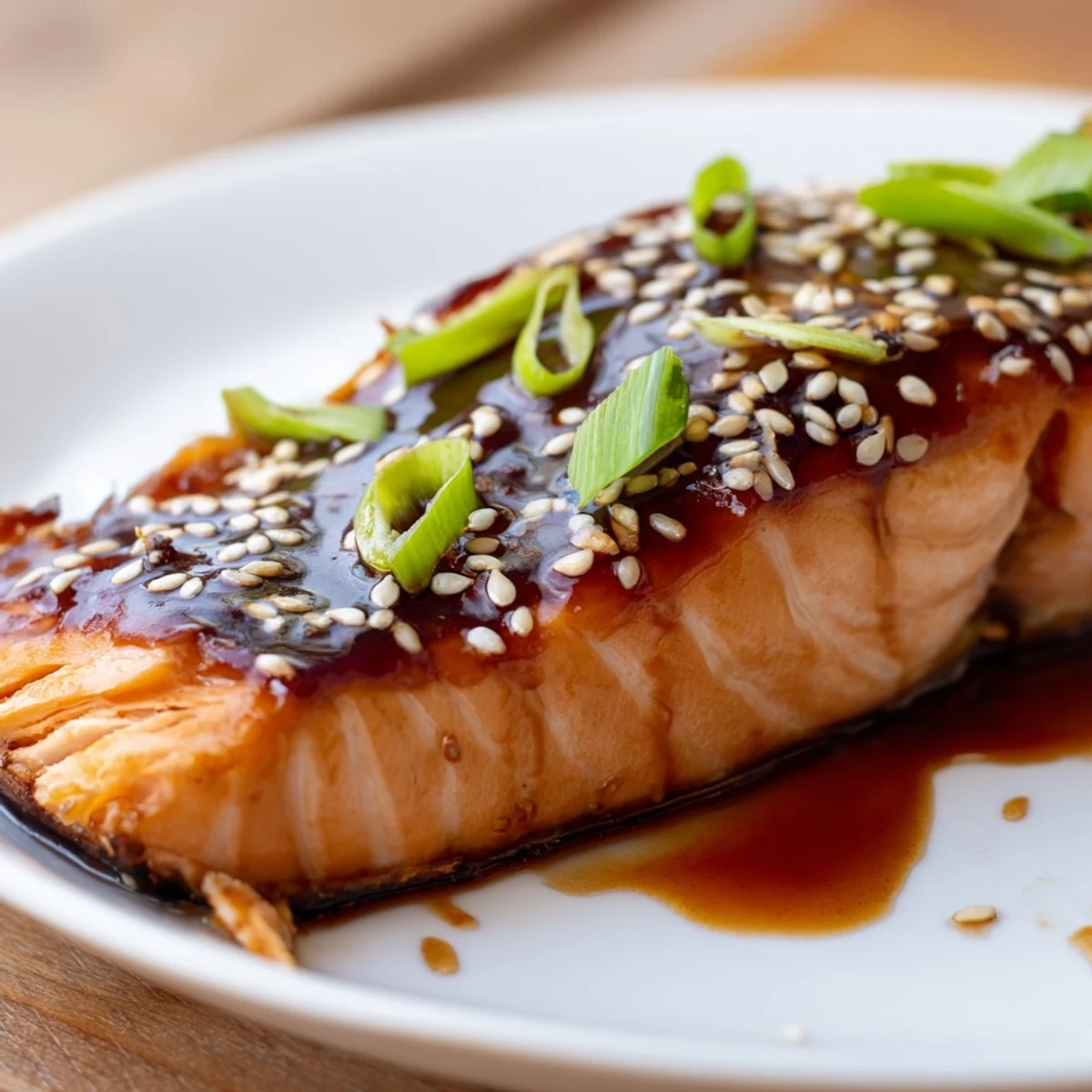
 There is something quietly satisfying about watching the glaze transform from a thin, watery liquid into something thick and glossy that wraps around each piece of salmon like a hug.
What to Serve Alongside
Steamed jasmine rice soaks up the extra sauce like a dream, and a pile of quickly sauteed bok choy or snap peas adds crunch without competing for attention. I have also served this over a bed of cold soba noodles on warm evenings, and the contrast of hot fish against cool noodles is unexpectedly refreshing.
Choosing the Right Salmon
Wild caught salmon tends to be leaner and cooks a minute or two faster, while farmed salmon has more fat and stays forgivingly moist even if you accidentally leave it in the oven a beat too long. Either works beautifully here, so go with what is fresh and fits your budget.
Storing and Reheating
Leftover salmon keeps well in the fridge for up to two days and reheats gently in a low oven or even cold straight from the refrigerator over a salad.
- Avoid the microwave if you can, since it tends to overcook the fish and toughen the texture.
- Store any remaining teriyaki sauce separately in a jar and warm it up to pour over leftovers.
- Always check that your tamari and other packaged ingredients are certified gluten free by reading the label each time you buy.
 Save to Pinterest
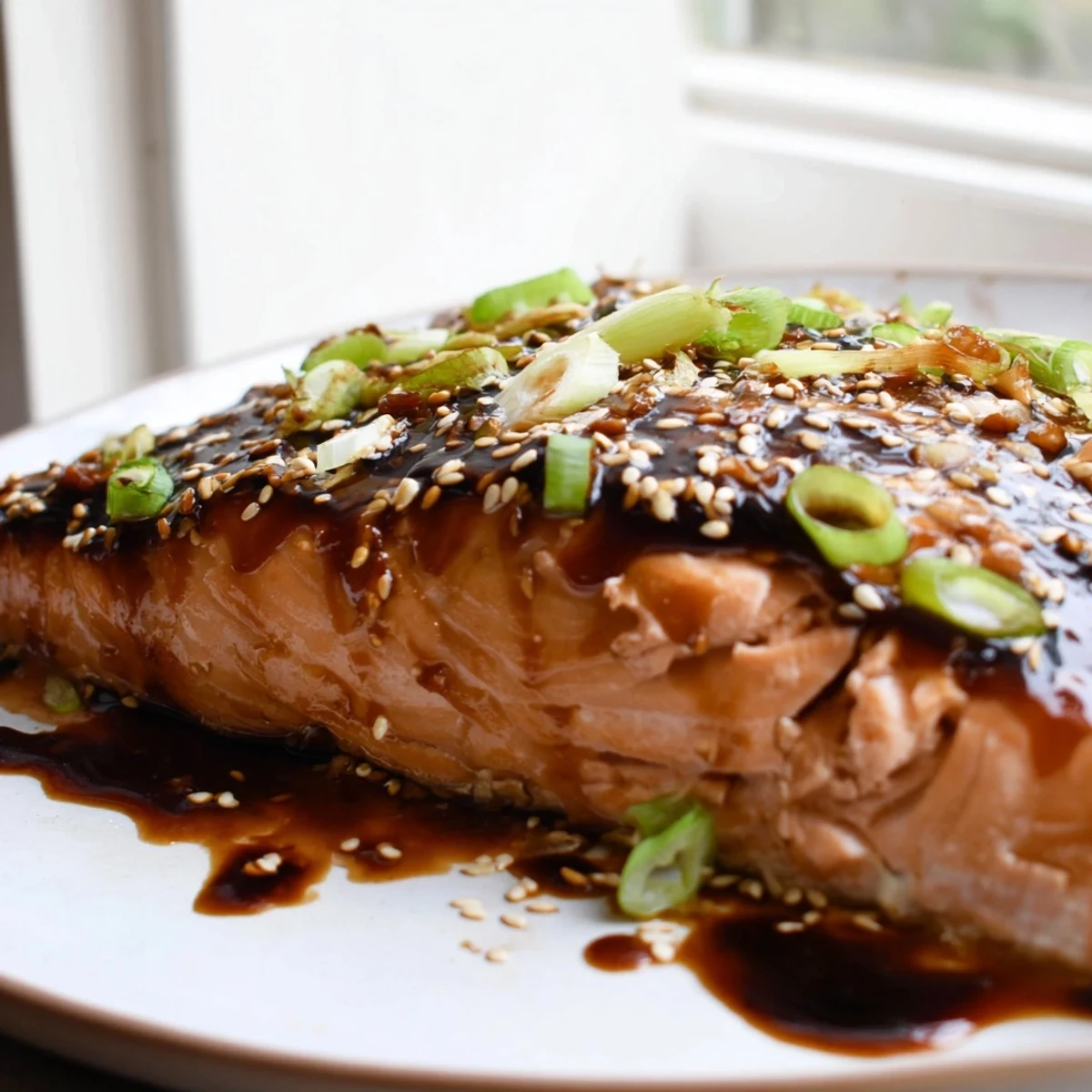
 This is the kind of recipe that earns a permanent spot in your weeknight rotation because it asks for almost nothing and gives back so much flavor. Share it with someone who thinks cooking fish is intimidating, and watch them change their mind after one bite.
Recipe Questions & Answers
- → Can I use regular soy sauce instead of tamari?
-
Yes, you can use regular soy sauce if gluten is not a concern. However, tamari is the best choice for maintaining a gluten-free dish while delivering that deep umami flavor.
- → How do I know when the salmon is fully cooked?
-
The salmon is done when it turns opaque throughout and flakes easily when gently pressed with a fork. An internal temperature of 63°C (145°F) is recommended for food safety.
- → Can I marinate the salmon before baking?
-
Absolutely. For deeper flavor, reserve half the teriyaki sauce and marinate the salmon fillets for about 30 minutes before baking. Use the remaining sauce for glazing and drizzling at the end.
- → What sides pair well with teriyaki salmon?
-
Steamed jasmine or brown rice, sautéed bok choy, stir-fried vegetables, or a simple cucumber salad all complement the rich teriyaki flavors beautifully. A crisp Sauvignon Blanc makes a great pairing.
- → Can I make the teriyaki sauce ahead of time?
-
Yes, the teriyaki sauce can be prepared up to 3 days in advance and stored in an airtight container in the refrigerator. Gently reheat it before brushing onto the salmon.
- → Can I grill the salmon instead of baking it?
-
Definitely. Grill the salmon fillets over medium-high heat for about 4 minutes per side, brushing with the teriyaki glaze during the last couple of minutes for a lovely charred finish.