
 Save to Pinterest
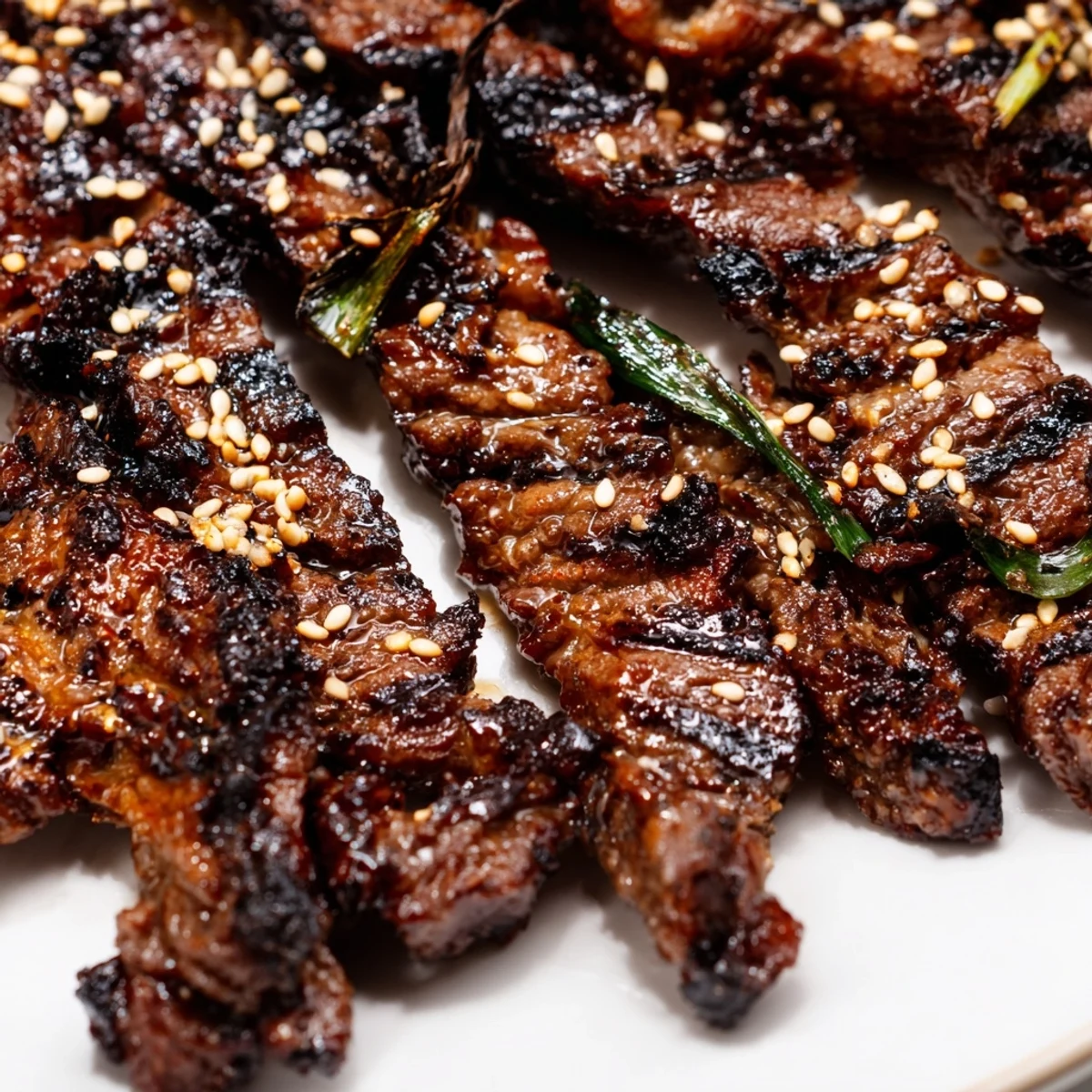
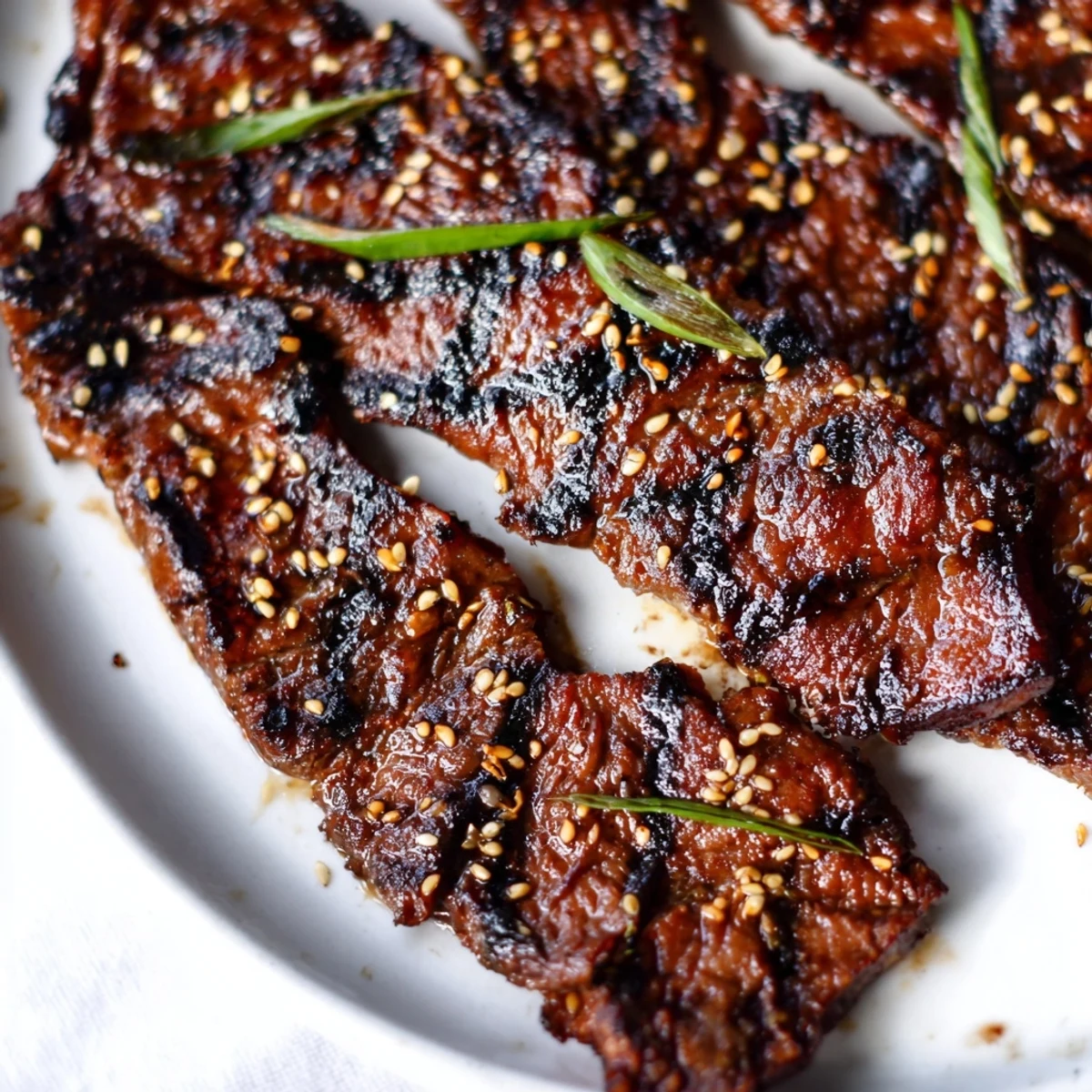
 These Korean-style grilled short ribs feature a balance of sweet and savory flavors from a traditional marinade containing soy sauce, pear, garlic, ginger, and sesame. The beef achieves tenderness through marinating, then develops caramelized char on the grill. Served with steamed rice and kimchi, this dish delivers authentic Korean barbecue experience at home.
My neighbor Mrs. Kim used to make these ribs for every building barbecue, and I spent years trying to decode what made hers taste like something from a restaurant kitchen. The secret turned out to be grated Asian pear and patience. Now whenever I grill these, the smell alone brings people to my balcony before I even announce dinner.
Last summer I made these for my fathers birthday, and he stood by the grill the entire time, watching the sugars caramelize like a hawk. He told me it reminded him of the street food stalls in Seoul he visited as a student, where vendors would char meat over open flames until the whole block smelled like heaven. That night, nobody talked much during dinner except to ask for seconds.
Ingredients
- Beef short ribs (1.5 kg flanken cut): Flanken cut is non negotiable here because the thin slices cook quickly and absorb marinade deeply. Ask your butcher to cut them crosswise through the bone.
- Soy sauce (120 ml): This is your salt and umami base. Use a quality Japanese or Korean soy sauce for the cleanest flavor.
- Mirin or rice wine (60 ml): Adds subtle sweetness and helps tenderize the meat. Apple juice works in a pinch but the authentic taste comes from mirin.
- Brown sugar (2 tbsp) and honey (2 tbsp): The double sugar approach creates better caramelization. Brown sugar gives depth while honey adds a glossy finish.
- Asian pear (1 whole): The hidden MVP. Natural enzymes break down tough fibers, and the fruit sweetness balances the salty soy sauce.
- Sesame oil (1 tbsp): Toasted sesame oil has a nutty richness that rounds out the sharp marinade flavors.
- Garlic (4 cloves) and ginger (2 tsp): Fresh is mandatory here. Nothing compares to the sharp heat of raw garlic and ginger in Korean marinades.
- Black pepper (1/4 tsp): Just enough to provide background warmth without competing with the other bold flavors.
Instructions
- Prep the ribs:
- Rinse the ribs under cold water to remove any bone fragments from the butchering process. Pat them completely dry with paper towels because water prevents the marinade from penetrating properly.
- Build the marinade:
- Whisk together soy sauce, mirin, water, brown sugar, honey, and sesame oil until the sugar fully dissolves. Stir in the grated pear, onion, garlic, ginger, pepper, scallions, and sesame seeds.
- Marinate with intention:
- Submerge the ribs in the marinade, turning them to coat every surface. Cover and refrigerate for at least 4 hours or overnight, flipping the container halfway through to ensure even coverage.
- Fire up the grill:
- Preheat your grill or grill pan to medium high heat until it is hot enough that you can only hold your hand above it for a few seconds. The high heat is what creates those gorgeous charred edges.
- Grill to perfection:
- Lift the ribs from the marinade and let the excess drip off naturally. Grill for 3 to 4 minutes per side until the edges are caramelized and slightly charred, with a nice brown crust on the meat.
- Rest and garnish:
- Let the ribs rest for 5 minutes so the juices redistribute. Slice between the bones if you prefer bite sized pieces, then scatter fresh scallions and sesame seeds over the top.
 Save to Pinterest
 These ribs have become my go to for introducing friends to Korean flavors because the familiarity of grilled meat meets this incredible sweet and salty glaze that nobody expects. I have watched self proclaimed picky eaters convert after one bite.
Making It Your Own
The base marinade works beautifully with pork ribs or even chicken thighs if you want something lighter. I have also thrown sliced vegetables like zucchini and mushrooms into the leftover marinade and grilled them alongside the meat.
Side Dish Strategy
Steamed white rice is essential to soak up all those juices, and a simple cucumber salad dressed with rice vinegar helps cut through the richness. Kimchi provides the perfect acidic contrast.
Serving Like a Pro
Set everything out family style and let people build their own bites with lettuce wraps if you want the full Korean barbecue experience. The interactive element makes the meal feel festive.
- Have extra napkins ready because these are gloriously messy
- Serve with cold soju or light beer to balance the sweet and salty flavors
- Double the recipe because leftovers are rarely a problem
 Save to Pinterest
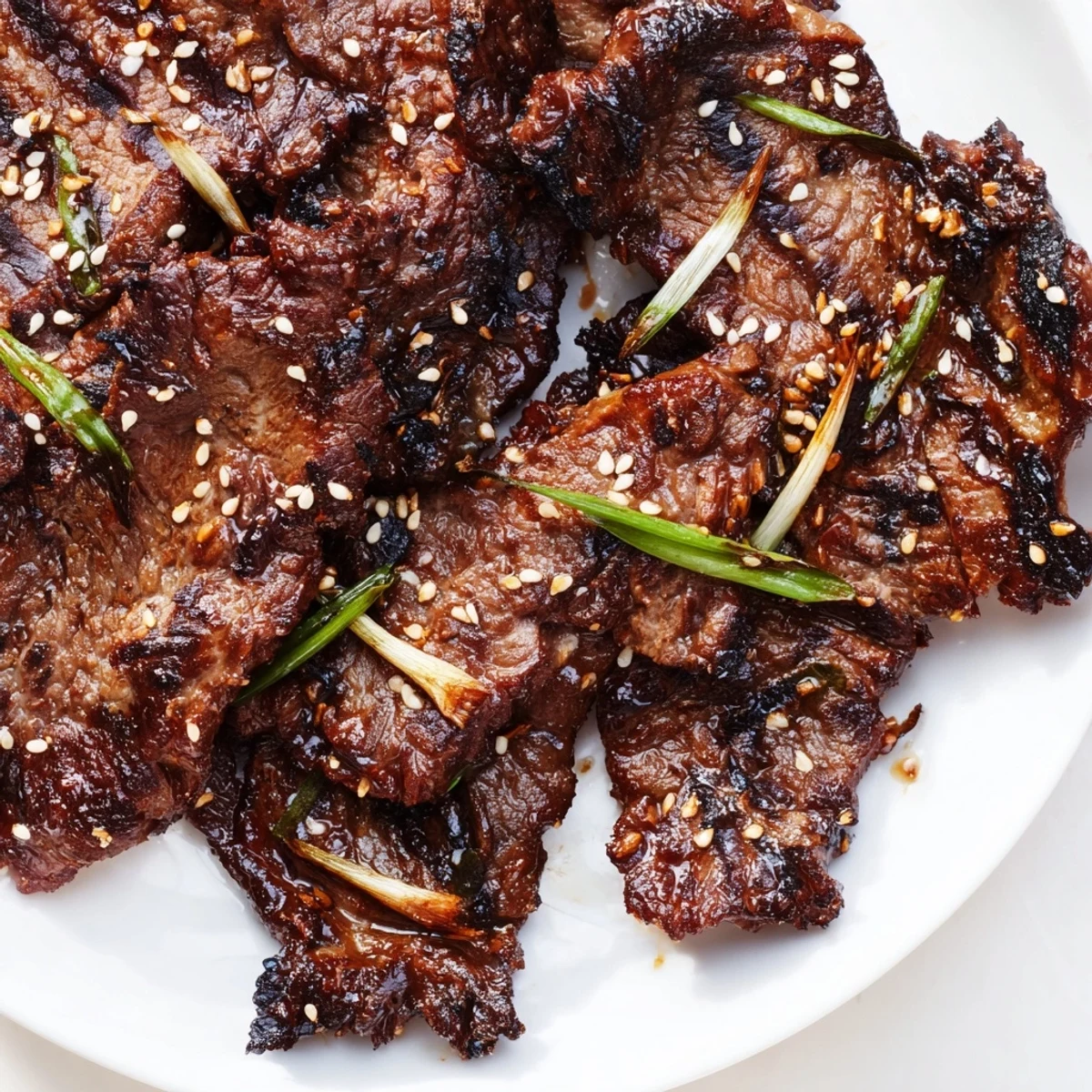
 There is something deeply satisfying about standing over a hot grill with tongs in hand, watching meat transform under the influence of fire and time. These ribs reward that patience in every single bite.
Recipe Questions & Answers
- → What cut of beef works best for galbi?
-
Flanken-cut short ribs, sliced 1/2 inch thick across the bone, are traditional. This cut allows the marinade to penetrate quickly and cook evenly on the grill.
- → How long should I marinate the ribs?
-
Marinate for at least 4 hours, preferably overnight. For maximum tenderness and flavor absorption, 8-12 hours in the refrigerator yields optimal results.
- → Can I make this gluten-free?
-
Yes, simply substitute regular soy sauce with certified gluten-free tamari or coconut aminos. All other ingredients naturally contain no gluten.
- → What does the Asian pear do in the marinade?
-
The Asian pear contains enzymes that naturally tenderize the meat while adding subtle sweetness. Grated pear also helps create a thick, clinging sauce.
- → Can I cook these indoors?
-
A grill pan or cast-iron skillet works well over medium-high heat. You can also broil the ribs, turning once, until caramelized and cooked through.
- → What should I serve with galbi?
-
Steamed white rice, fresh kimchi, and lettuce leaves for wrapping are traditional. Banchan sides like pickled vegetables complete the meal.