
 Save to Pinterest
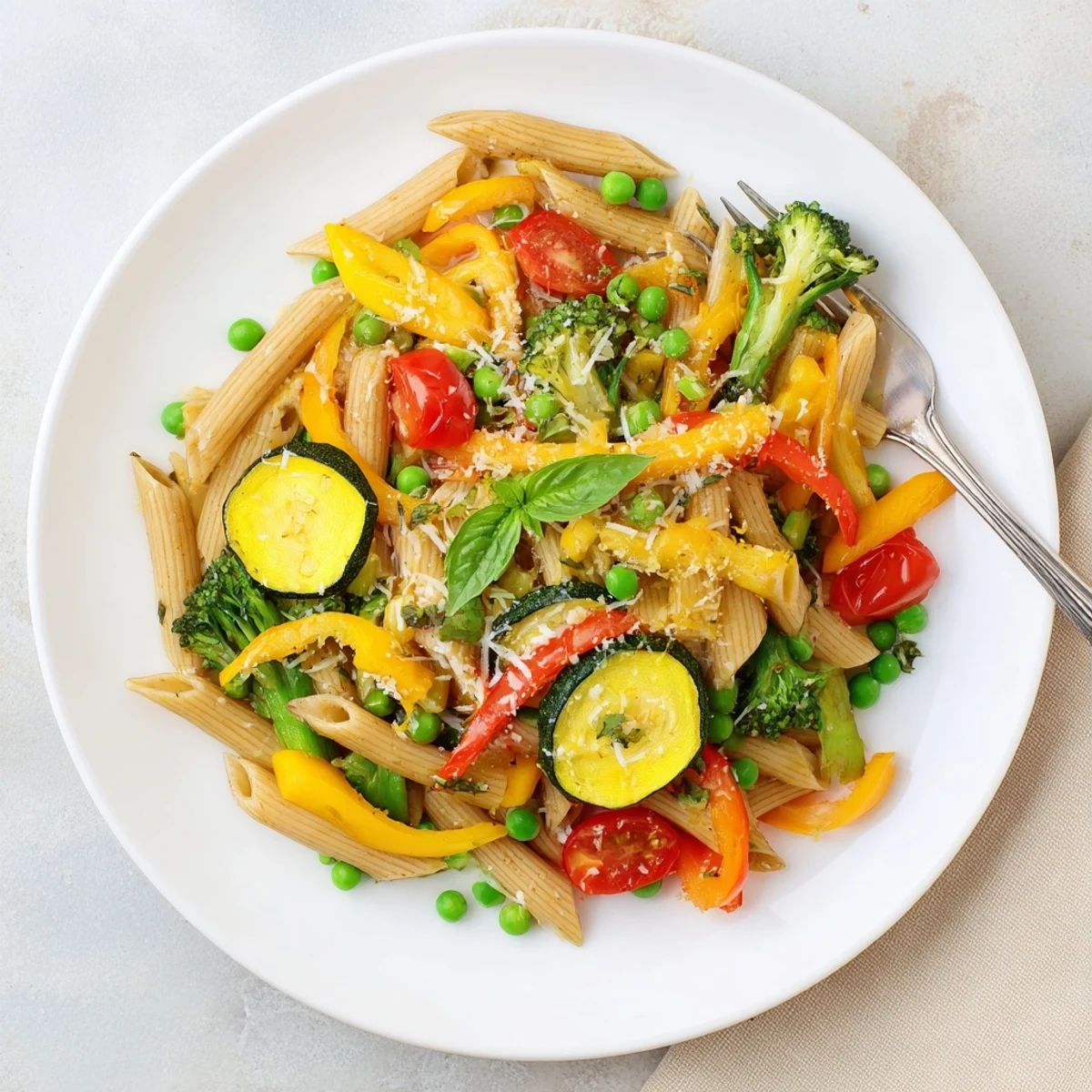
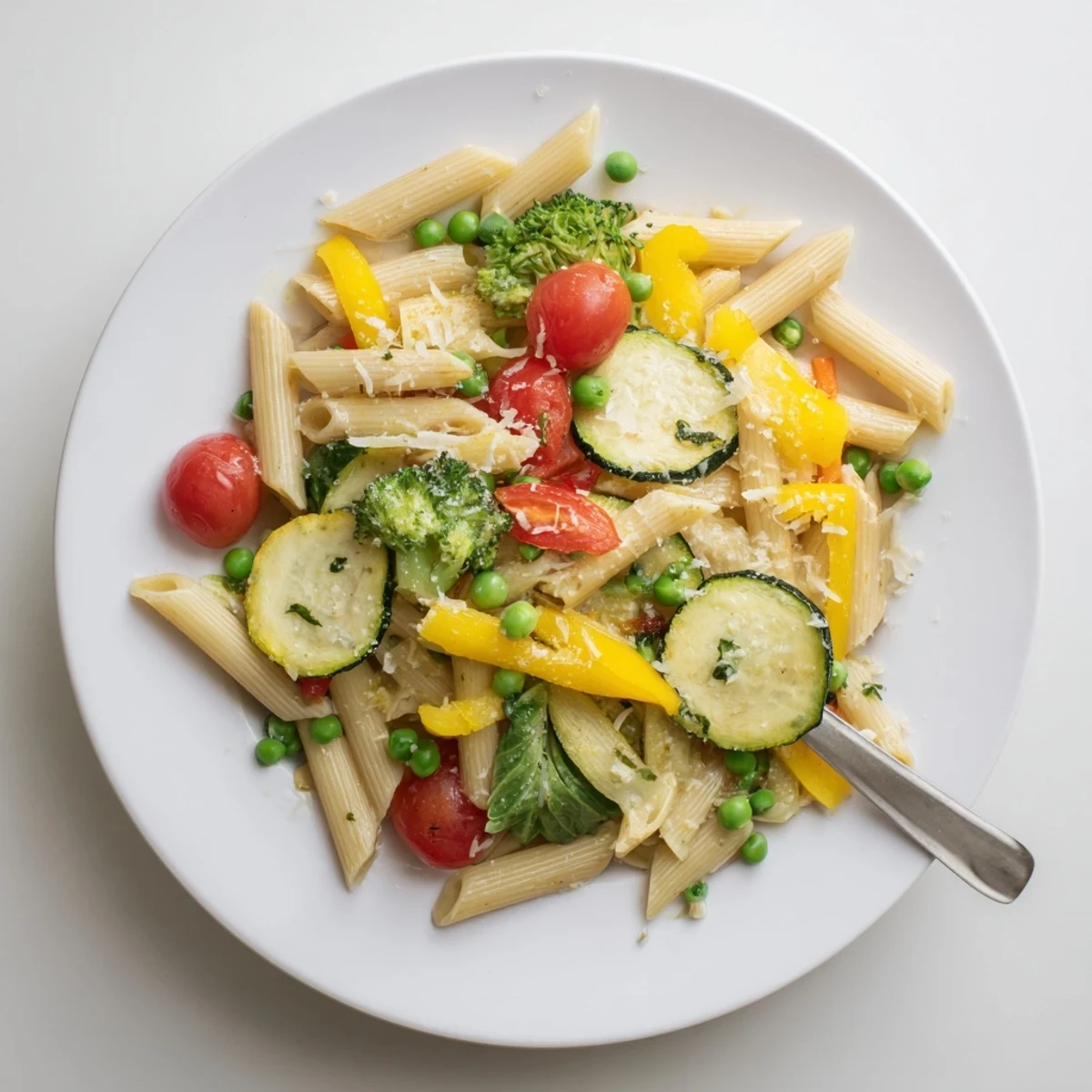
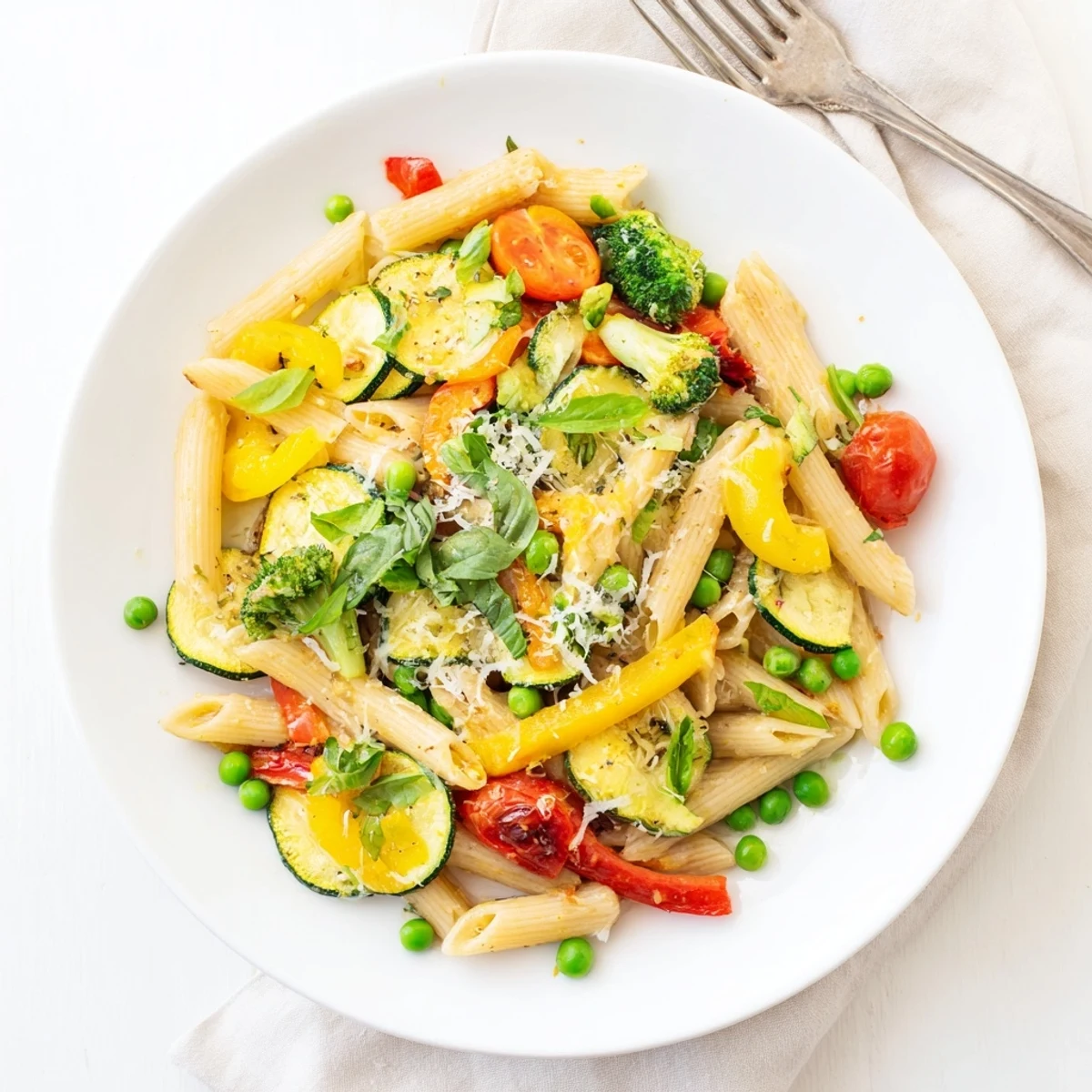
 This classic Italian-inspired pasta primavera brings together the best of spring vegetables in a simple yet satisfying dish. The combination of tender pasta, crisp-tender vegetables like zucchini, bell peppers, broccoli, and cherry tomatoes creates perfect texture contrasts. A light sauce made with extra virgin olive oil, fresh lemon zest and juice, and Parmesan cheese ties everything together without overwhelming the fresh flavors. Ready in just 40 minutes, this versatile vegetarian main works equally well for weeknight dinners or casual entertaining.
The first time I made pasta primavera, I was trying to use up a random assortment of vegetables from my crisper drawer before they went bad. I had no idea this happy accident would become one of my most requested recipes. Something about the way the bright vegetables catch the light in the sauce makes everyone pause before they start eating. Now I actually buy extra vegetables just to make it.
Last spring my neighbor came over while I was making this and asked if I was cooking something special because it smelled like an Italian kitchen. We ended up eating it on my back porch while the weather was still cool enough to enjoy hot pasta. She asked for the recipe before she even finished her first helping.
Ingredients
- 350 g (12 oz) penne or fusilli pasta: The ridges catch the sauce and vegetables perfectly, though whatever you have in your pantry works
- 1 small zucchini, sliced into half moons: Do not slice too thin or they will turn to mush when tossed with the hot pasta
- 1 small yellow squash, sliced into half moons: Adds beautiful color contrast and a slightly different texture than zucchini
- 1 red bell pepper, sliced into thin strips: The sweetness balances the lemon and adds gorgeous red color to the mix
- 1 cup broccoli florets: Use small pieces so they cook through and stay bright green
- 1 cup cherry tomatoes, halved: They release just enough juices to help coat the pasta without making it watery
- 1/2 cup frozen peas, thawed: Add pops of sweetness and color straight from the freezer
- 2 cloves garlic, minced: Fresh garlic makes all the difference here, do not use the pre minced stuff
- 1 small carrot, julienned: Adds subtle sweetness and a nice crunch element
- 3 tbsp extra virgin olive oil: The base that carries all the flavors together
- 1/4 cup grated Parmesan cheese: Plus more for serving because everyone always wants extra
- 1/4 cup chopped fresh basil: Fresh parsley works too but basil feels more special
- Zest of 1 lemon: Use a microplane if you have one for the finest zest possible
- Juice of 1/2 lemon: Brightens everything and cuts through the olive oil
- Salt and freshly ground black pepper: Season generously as you cook, not just at the end
- Pinch of red pepper flakes: Optional but adds a lovely warmth that sneaks up on you
Instructions
- Start your pasta water:
- Bring a large pot of salted water to a boil and cook pasta until al dente, then reserve 1/2 cup of the starchy cooking water before draining
- Sauté the aromatics:
- Heat olive oil in a large skillet over medium heat and add minced garlic for about 30 seconds until it becomes fragrant
- Cook the harder vegetables first:
- Add carrot, bell pepper, and broccoli to the skillet and sauté for 3 minutes, stirring frequently so nothing sticks
- Add softer vegetables:
- Toss in zucchini, yellow squash, and peas and cook for another 4 to 5 minutes until everything is tender but still has some bite
- Finish with tomatoes and lemon:
- Stir in cherry tomatoes, lemon zest, and lemon juice and cook for 2 more minutes until tomatoes just start to soften
- Combine everything:
- Add drained pasta to the skillet and toss well, adding reserved pasta water as needed to create a light coating sauce
- Add the finishing touches:
- Remove from heat and stir in Parmesan cheese and fresh basil, then season with salt, pepper, and red pepper flakes if using
- Serve immediately:
- Plate in shallow bowls and pass extra Parmesan at the table because everyone will want more
 Save to Pinterest
 This recipe saved me during a dinner party when I realized I had forgotten to buy a main course. I grabbed every vegetable in my refrigerator and everyone ended up asking for seconds instead of questioning why I was serving pasta again. Sometimes the best meals come from moments of mild panic.
Making It Your Own
Once you have made this a few times you will start to see the pattern behind which vegetables go in when. I have used asparagus in spring and cauliflower in winter with equally good results. The beauty is in the method, not the exact ingredients.
Timing Everything Right
I have learned to start the pasta water first, then prep vegetables while it comes to a boil. The pasta usually finishes about the same time as the vegetables if you time it right. If the pasta is done first, just toss it with a little olive oil so it does not stick together.
Serving Suggestions
A simple green salad with a vinaigrette cuts through the richness of the olive oil and cheese. Crusty bread is almost mandatory for mopping up any sauce left in your bowl. A crisp white wine like Pinot Grigio balances the vegetables perfectly.
- Grilled chicken or shrimp can turn this into a heartier meal
- Use whole wheat pasta for extra fiber and nuttiness
- Make it dairy free by skipping the Parmesan and adding more fresh herbs
 Save to Pinterest
 There is something deeply satisfying about a colorful bowl of pasta that tastes as fresh as it looks. This recipe reminds me that simple ingredients treated with respect can become something extraordinary.
Recipe Questions & Answers
- → What vegetables work best in pasta primavera?
-
Classic spring vegetables like zucchini, yellow squash, bell peppers, broccoli florets, and cherry tomatoes work beautifully. Feel free to add asparagus, snap peas, or seasonal vegetables based on availability and preference.
- → Can I make this dish gluten-free?
-
Yes, simply substitute regular pasta with certified gluten-free pasta. The vegetables and sauce ingredients are naturally gluten-free, making this an easy adaptation.
- → How do I prevent the vegetables from becoming mushy?
-
Cook vegetables in stages based on their cooking time. Start with harder vegetables like carrots and broccoli, then add softer vegetables like zucchini and squash. Keep them tender-crisp by not overcooking.
- → Can I add protein to this pasta primavera?
-
Grilled chicken, sautéed shrimp, or white beans make excellent protein additions. Simply cook your chosen protein separately and toss it in with the pasta during the final assembly.
- → How should I store leftovers?
-
Store in an airtight container in the refrigerator for up to 3 days. When reheating, add a splash of water or olive oil to refresh the sauce. The pasta may absorb more liquid as it sits.
- → What pasta shape works best?
-
Penne and fusilli are excellent choices as their ridges and curves hold the light sauce well. Farfalle, rotini, or other short pasta shapes with texture work equally well with this preparation.