
 Save to Pinterest
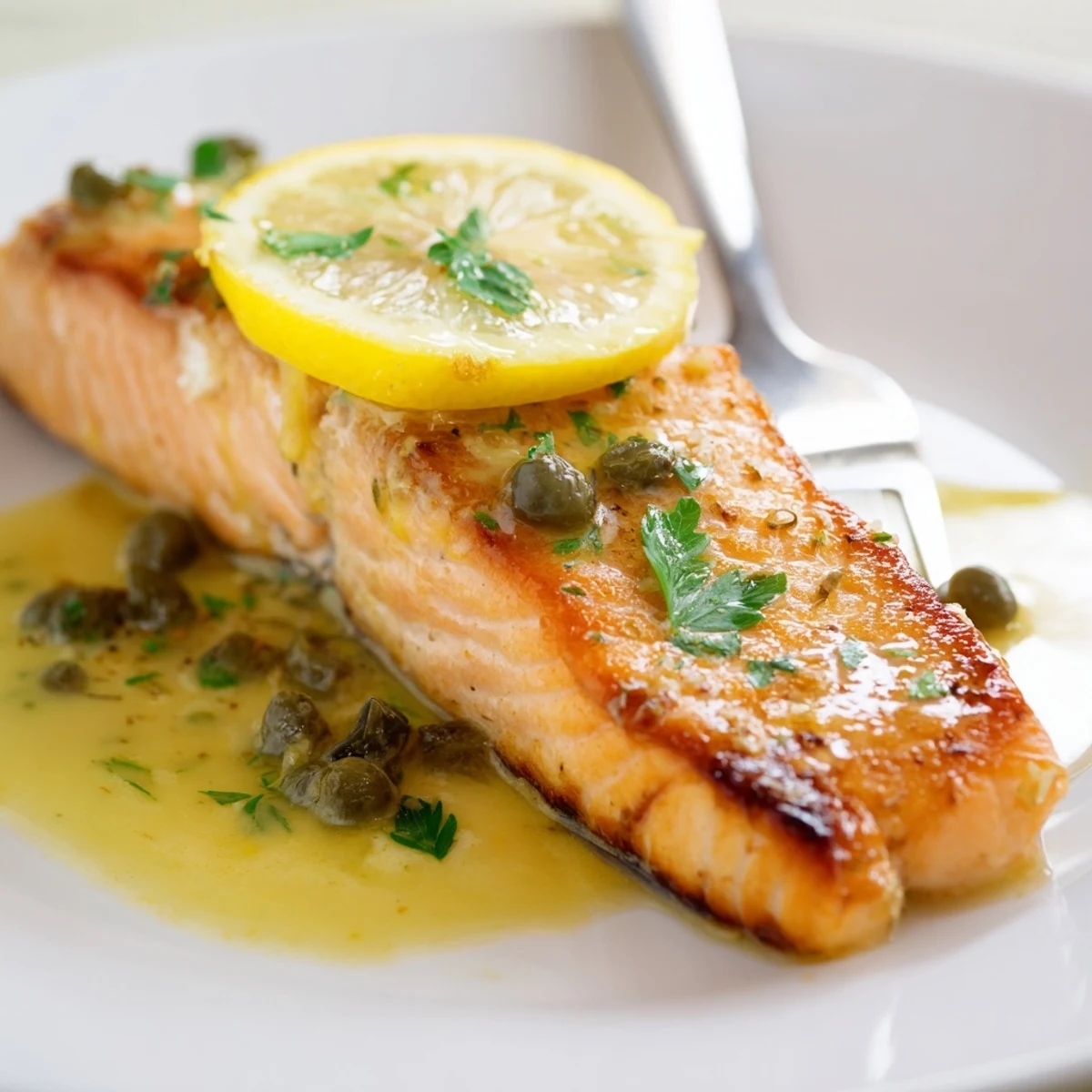
 Pan-seared salmon fillets are cooked until golden and briefly simmered in a lemon-caper and white wine sauce enriched with butter and parsley. Total time is about 30 minutes. Lightly dredging in all-purpose or gluten-free flour yields a crisp exterior. Finish by spooning the sauce over the fish and serve with sautéed greens, steamed beans, or pasta for a bright, satisfying main.
The sizzle of salmon hitting a hot pan is one of those sounds that makes everyone in the house wander toward the kitchen, and adding a lemon caper sauce only guarantees they will stay right there waiting. I threw this together one Tuesday when the fridge held salmon and a half used jar of capers, and it felt far too elegant for a weeknight. The tangy buttery sauce pooled around golden fillets, and we ate standing at the counter because nobody wanted to wait for plates. That spontaneous dinner became a permanent fixture in my rotation.
My friend Laura stopped by unexpectedly one evening while I was making this, and she stood in the kitchen doorway sniffing the air like a cartoon character floating toward a pie. I handed her a fork and we split the last fillet right out of the skillet, sauce dripping onto the cutting board, both of us too hungry to care about proper serving bowls.
Ingredients
- 4 salmon fillets, skinless: Aim for pieces around 150 to 180 grams each so they cook evenly, and always pat them bone dry before they touch the pan.
- Salt and black pepper: Season both sides generously because the flour coating will mute the salt slightly.
- 2 tbsp all-purpose flour: Optional but worth it for that delicate crust that holds the sauce beautifully, and gluten-free flour works just as well.
- 2 tbsp olive oil: Gives the fillets a golden sear without burning at higher temperatures.
- 2 tbsp unsalted butter: Split between searing the fish and building the sauce, because butter adds a silkiness that olive oil alone cannot achieve.
- 2 garlic cloves, minced: Fresh only, and mince it finely so it melts into the sauce rather than clumping.
- 120 ml dry white wine: Pinot Grigio or Chardonnay are ideal, and whatever you cook with should be something you would actually drink.
- 60 ml fresh lemon juice: Squeeze it fresh and strain out the seeds, because bottled juice will taste flat and metallic here.
- 3 tbsp capers, drained: These little briny gems are the soul of piccata, so do not skimp on them.
- 60 ml low-sodium broth: Chicken or fish stock both work, and low sodium lets you control the salt level.
- 2 tbsp chopped fresh parsley: Adds color and a fresh bite that cuts through the richness of the butter sauce.
Instructions
- Prep the salmon:
- Pat each fillet thoroughly dry with paper towels, season both sides with salt and pepper, then lightly dredge in flour and shake off every bit of excess for a thin even coat.
- Sear the fillets:
- Heat olive oil and one tablespoon of butter in a large skillet over medium-high heat until the butter foams, then lay the salmon in gently and cook three to four minutes per side until deeply golden and just cooked through before transferring to a plate.
- Wake up the garlic:
- Drop the remaining butter into the same hot pan, add the minced garlic, and stir for about thirty seconds until your kitchen smells impossibly good but the garlic has not browned.
- Build the sauce:
- Pour in the wine and scrape up every golden bit stuck to the pan, then add lemon juice, capers, and broth, letting everything simmer and reduce for two to three minutes until it coats the back of a spoon.
- Bring it together:
- Nestle the salmon back into the pan and spoon the bubbling sauce over the top, letting it warm through for one to two minutes so the fish absorbs all that tangy buttery goodness.
- Finish and serve:
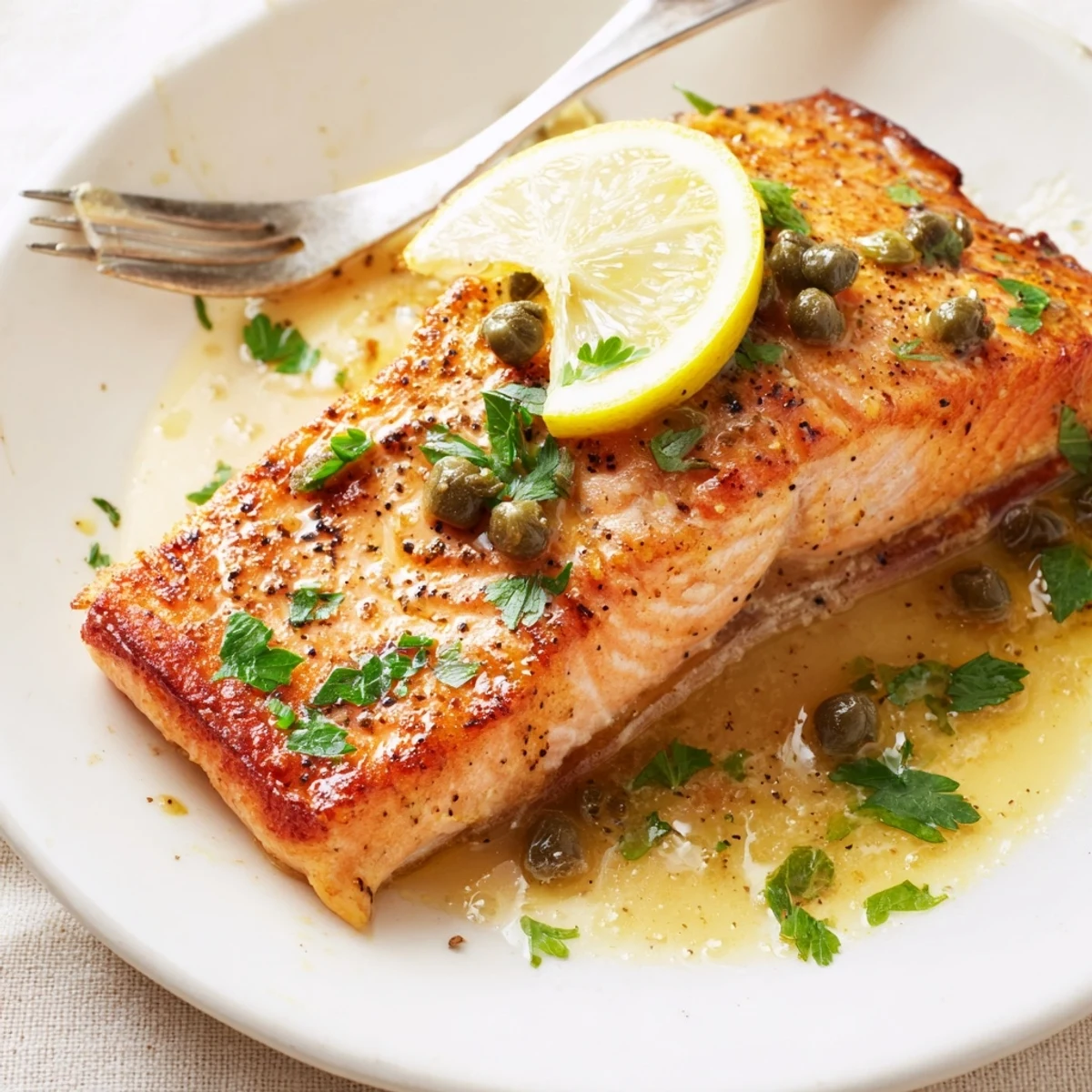
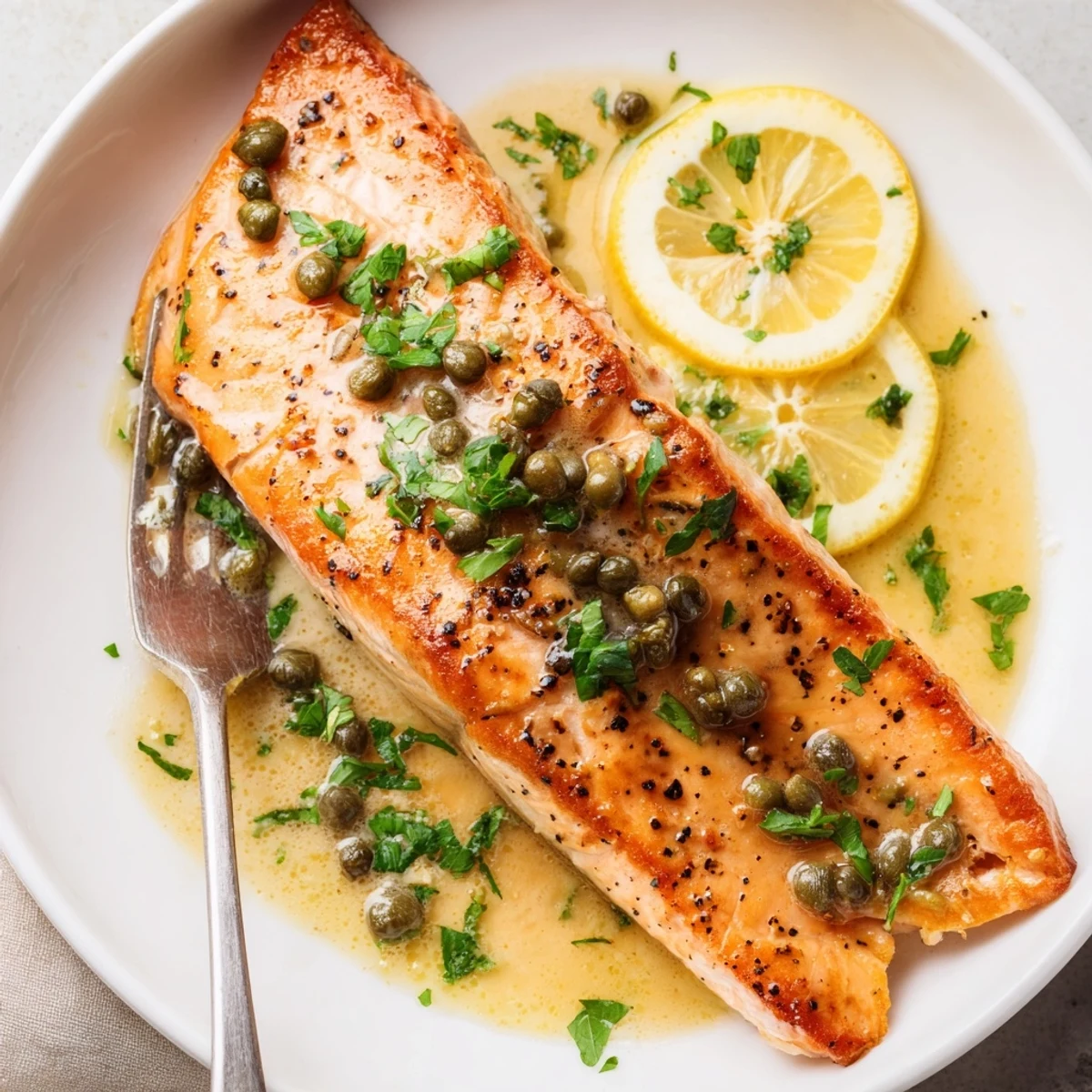
- Scatter chopped parsley over everything, tuck a few lemon slices around the pan for color, and serve straight from the skillet while the sauce is still shimmering.
 Save to Pinterest
 I once made this for a small dinner party and everyone went quiet after the first bite, which is honestly the highest compliment a cook can receive.
What to Serve Alongside
Angel hair pasta tossed in a little olive oil is the easiest companion, because it catches every drop of that sauce. Sautéed spinach or steamed green beans also work beautifully, adding something green and fresh without competing with the main event. A loaf of crusty bread on the table is nonnegotiable in my house for proper sauce soaking.
Picking the Right Wine
A crisp Pinot Grigio keeps things light and lets the lemon shine, while a lightly oaked Chardonnay adds roundness that complements the butter. Pour the same wine you cooked with and everything ties together effortlessly.
Making It Your Own
This recipe is forgiving and welcomes small tweaks depending on what you have. The bones of it, seared fish and a bright pan sauce, are endlessly adaptable once you understand the technique.
- Try a pinch of red pepper flakes in the sauce if you want a subtle heat.
- Substitute thin chicken cutlets for the salmon and adjust the cooking time slightly.
- Always taste the sauce before serving and adjust lemon or salt to your preference.
 Save to Pinterest
 This is the kind of recipe that makes an ordinary evening feel a little special, with almost no extra work. Keep capers and lemons in your kitchen at all times and you are never far from a really good dinner.
Recipe Questions & Answers
- → How do I tell when the salmon is perfectly cooked?
-
The flesh should turn opaque and flake easily with a fork. For a moist center aim for an internal temperature around 125–130°F (52–54°C) and allow a short carryover rest.
- → Is dredging the fillets in flour necessary?
-
Dredging is optional but gives a light, golden crust and helps the sauce cling. Use gluten-free flour if you need to avoid gluten, or skip the step for a softer exterior.
- → Can I cook this with the skin on?
-
Yes. Start skin-side down to crisp the skin and protect the flesh. Reduce the hot pan time on the second side and adjust cooking by a minute or two depending on thickness.
- → How do I prevent the sauce from breaking?
-
Keep the sauce at a gentle simmer, reduce the wine and broth for concentration, then whisk in cold butter off the heat to enrich and emulsify the sauce without separating.
- → What can I substitute for white wine in the sauce?
-
Use low-sodium chicken or fish broth with a splash of extra lemon juice if you prefer no alcohol. The broth adds depth while lemon preserves the bright acidity.
- → Best reheating method to avoid drying out leftovers?
-
Gently warm portions in a skillet over low heat with a splash of broth or reserved sauce, or reheat in a low oven (about 275°F/135°C) until just warmed through to preserve moisture.