
 Save to Pinterest
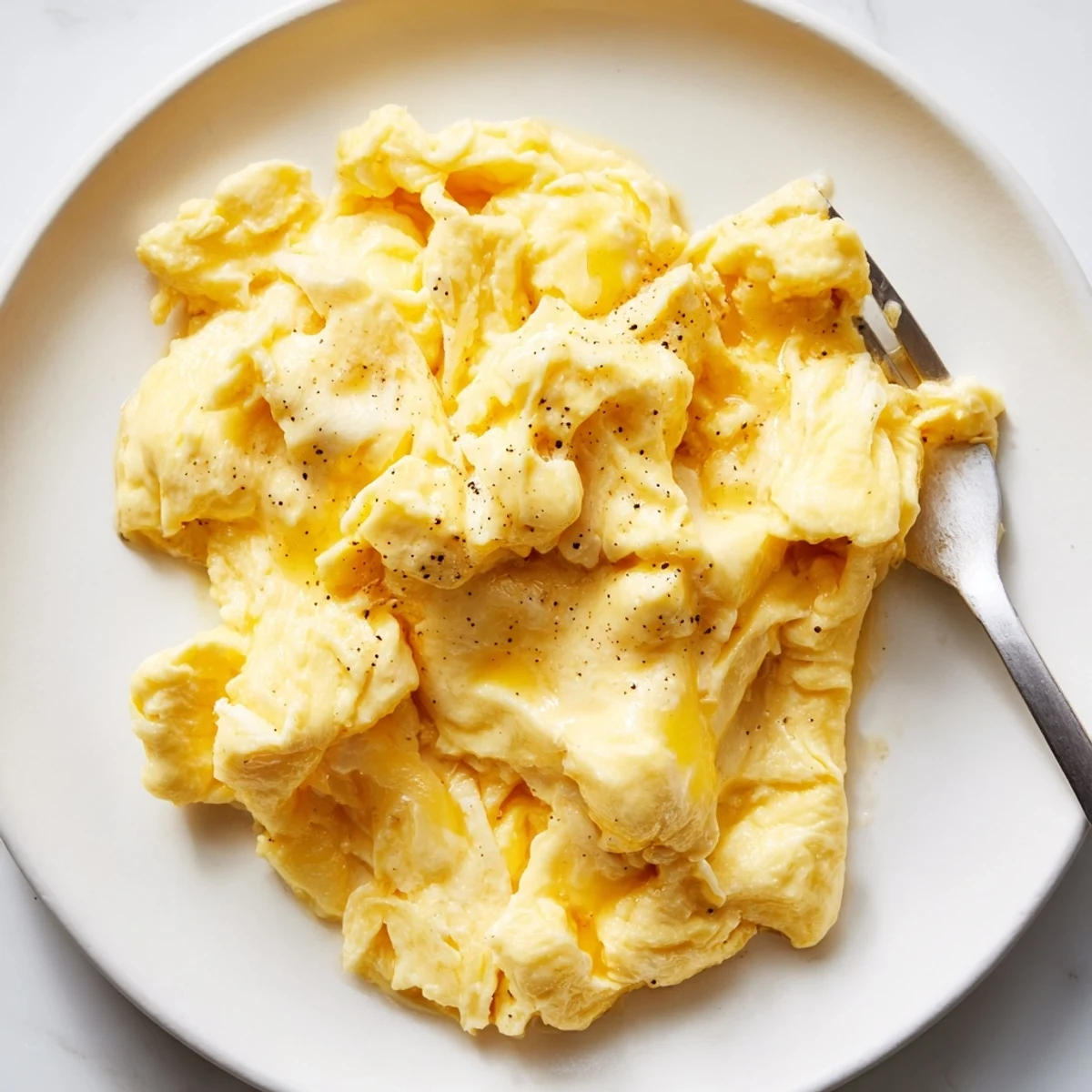
 Master perfectly creamy scrambled eggs with this foolproof technique. The secret lies in gentle cooking over medium-low heat and constant movement to create soft, fluffy curds. Whisking eggs with a touch of dairy before cooking ensures richness, while removing them from the heat while still slightly moist guarantees the best texture. This versatile dish serves two perfectly in just 10 minutes.
There's something almost meditative about standing at the stove on a slow Sunday morning, watching eggs transform into soft, creamy curds. I used to overcook them terribly—dry and rubbery—until a chef friend showed me the magic of pulling them off the heat while they still look slightly underdone. Now they're my go-to comfort breakfast, the kind that makes you feel cared for before the day even begins.
My sister stayed over last winter and made these for us both, adding little piles of everything from the fridge—scallions, cheddar, leftover roasted peppers. We ate standing at the counter with coffee mugs in hand, laughing about how something so basic could feel so luxurious. That's the thing about scrambled eggs done right—they make any morning feel special.
Ingredients
- 4 large eggs: Room temperature eggs whisk more evenly and cook more consistently
- 2 tbsp whole milk or cream: This adds richness and helps create that silky texture
- 1 tbsp unsalted butter: Butter gives the best flavor, but ghee works for higher heat
- 1/4 tsp salt: Season before cooking so it dissolves evenly into the eggs
- 1/8 tsp freshly ground black pepper: Freshly ground has way more aroma and depth
Instructions
- Whisk the base:
- Crack eggs into a bowl and add milk or cream, salt, and pepper. Whisk thoroughly until the mixture is uniform and slightly frothy on top—this incorporates air for fluffier eggs.
- Warm the pan:
- Melt butter in a nonstick skillet over medium-low heat, swirling gently until it foams and just starts to bubble.
- Start the curds:
- Pour in the egg mixture and wait about ten seconds until the edges barely begin to set.
- Gently push:
- Using a spatula, slowly push eggs from the edges toward the center, tilting the pan slightly to let uncooked egg fill the gaps.
- Finish creamy:
- Cook just until the eggs are set but still glisten with moisture—they'll continue cooking off the heat.
- Serve immediately:
- Plate right away while they're at their perfect texture.
 Save to Pinterest
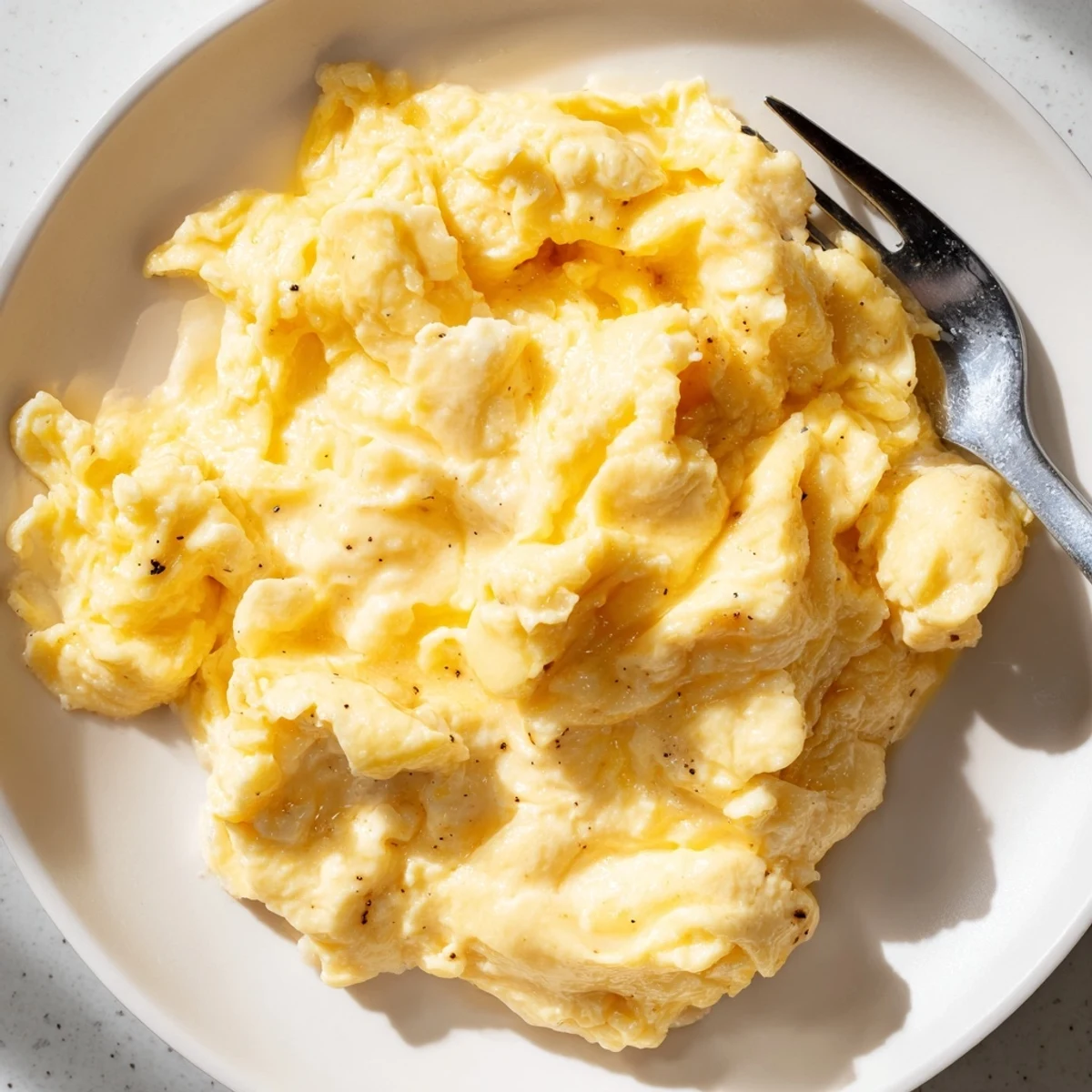
 I've served these at countless brunches, and people always ask what makes them so creamy. The secret is patience and knowing when to walk away from the stove.
Choosing Your Dairy
Cream makes the richest, most luxurious eggs, while whole milk keeps them lighter. I've tried half-and-half and even Greek yogurt in a pinch—each changes the texture slightly. Trust your taste and what you have on hand.
Pan Selection
A good nonstick skillet is your best friend here. If you're using stainless steel, you'll need more butter and watch more carefully to prevent sticking. Cast iron can work but tends to brown the eggs more than some people like.
Customization Ideas
These eggs are a blank canvas for whatever you're craving. Fresh herbs like chives, parsley, or tarragon add brightness. A handful of grated sharp cheddar melts beautifully into the warm curds. Sautéed mushrooms, spinach, or diced bell peppers turn them into a full meal.
- Fold in ingredients at the very end so they don't break down the delicate curds
- Warm any add-ins first if they're cold from the fridge
- Keep portions modest—too many mix-ins can make the eggs heavy
 Save to Pinterest
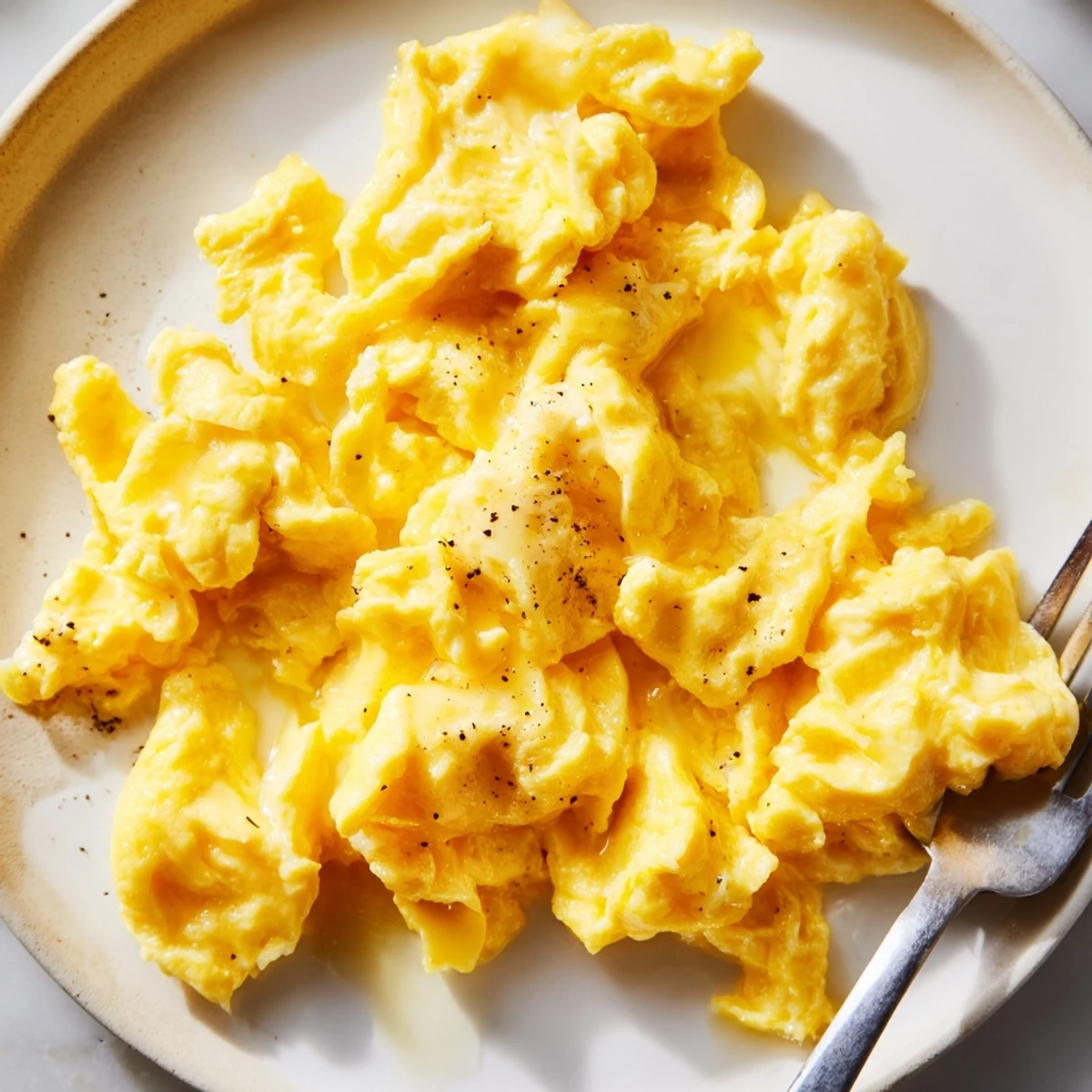
 Perfect scrambled eggs are less about following a recipe and more about paying attention to what's happening in the pan. Once you get the feel of it, you'll never need to measure again.
Recipe Questions & Answers
- → Why add milk or cream to scrambled eggs?
-
Dairy adds richness and creates a creamier texture. Cream produces richer results, while milk offers a lighter consistency. The fat content prevents the eggs from becoming rubbery during cooking.
- → What's the ideal temperature for cooking scrambled eggs?
-
Medium-low heat is perfect. This gentle heat allows the eggs to cook evenly without browning or drying out. High heat causes the proteins to seize tightly, resulting in tough, dry curds.
- → How do I know when scrambled eggs are done?
-
Remove them from the heat when they look slightly underdone—still glossy and moist. The residual heat finishes cooking them to perfection. If they look completely dry in the pan, they're overcooked.
- → Can I make scrambled eggs ahead of time?
-
They're best served immediately, but you can keep them warm for up to 20 minutes in a covered dish over barely simmering water. Reheating often compromises texture, so fresh preparation yields the best results.
- → What are good variations for scrambled eggs?
-
Fold in fresh herbs like chives or parsley, grated cheese, sautéed vegetables, or diced smoked salmon. For extra flavor, add a dash of hot sauce, pesto, or caramelized onions just before finishing.