
 Save to Pinterest
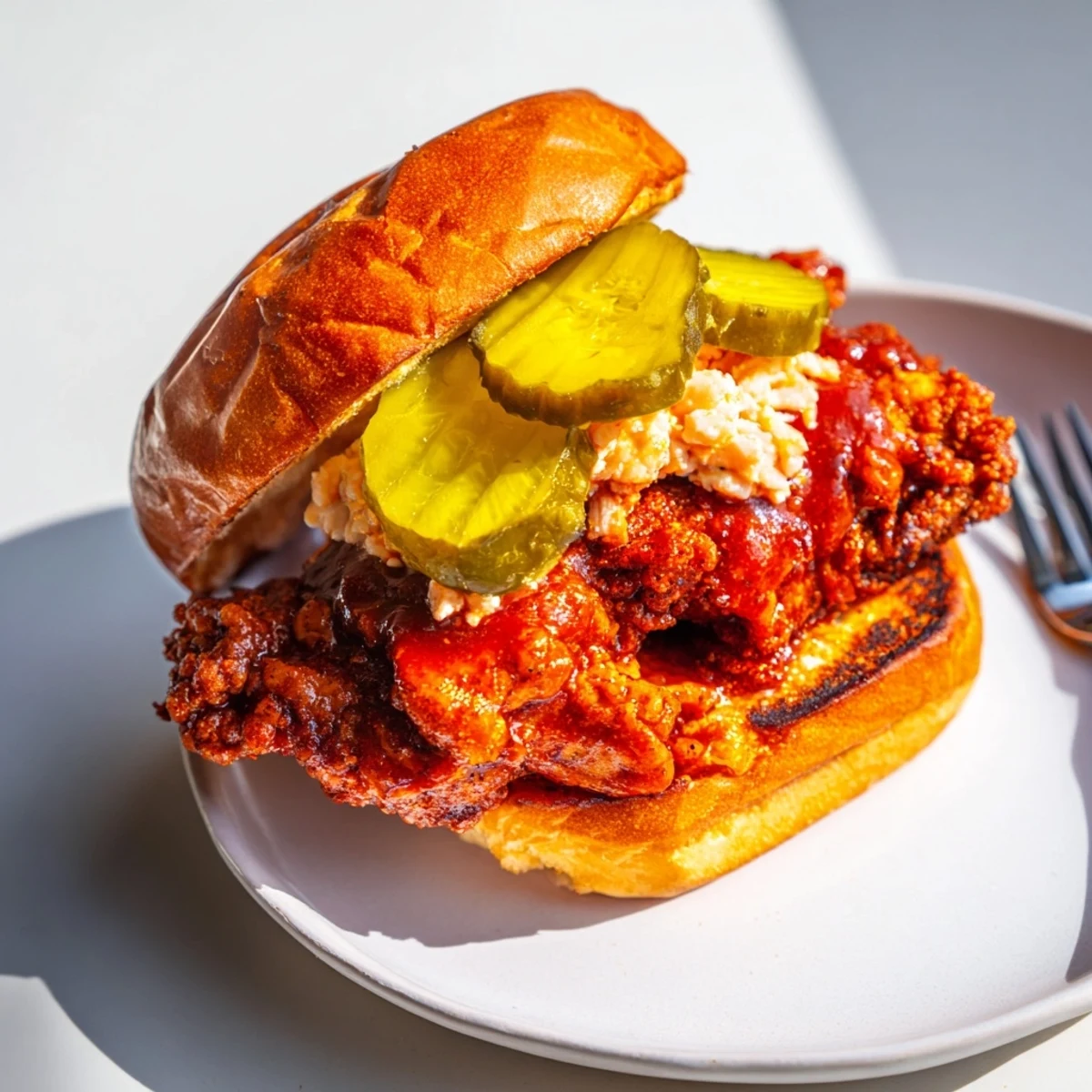
 Marinate boneless thighs in buttermilk and hot sauce, then dredge in a seasoned flour-cornstarch mix. Fry in oil until golden and 165°F, then brush both sides with a cayenne-forward Nashville hot sauce blended with brown sugar and smoked paprika.
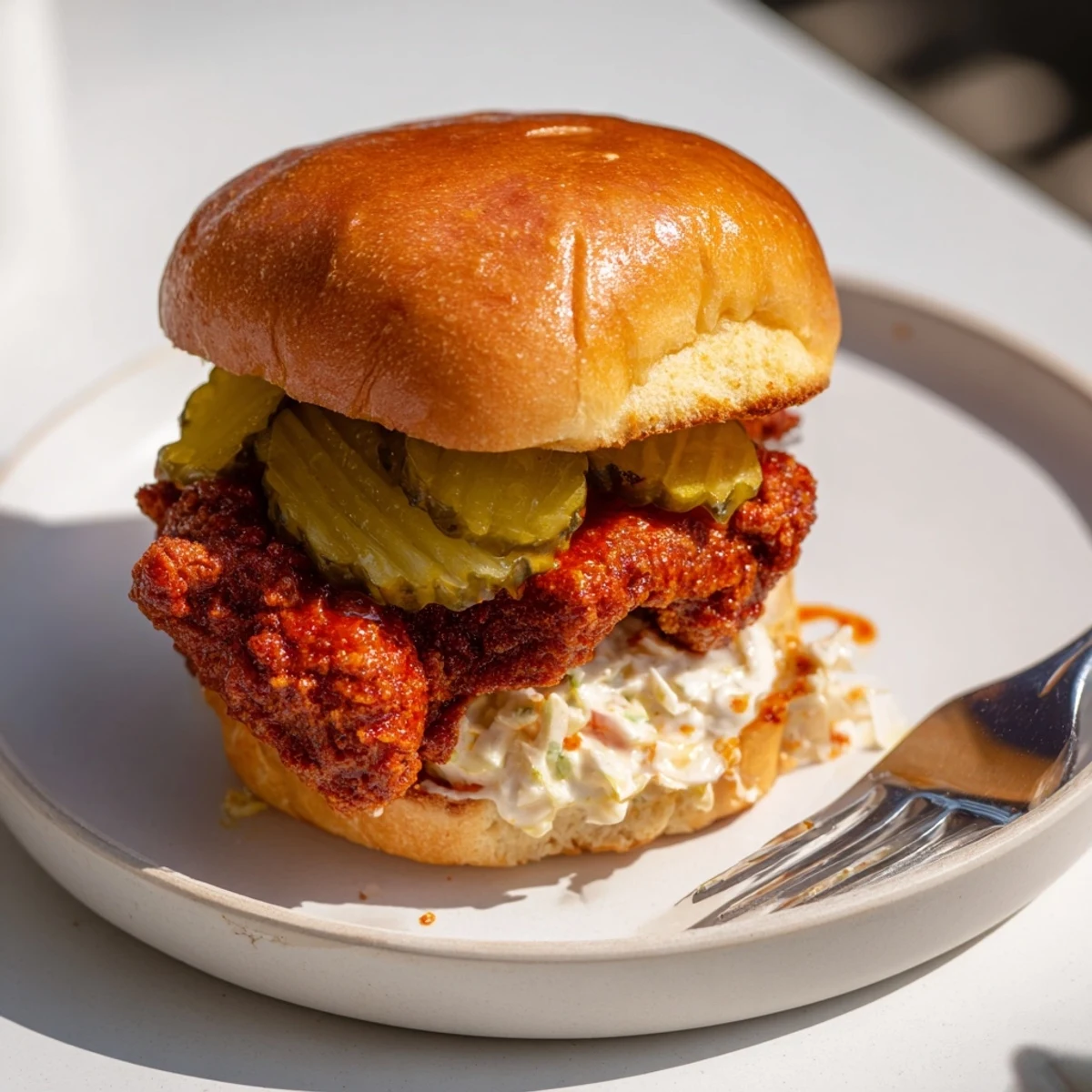
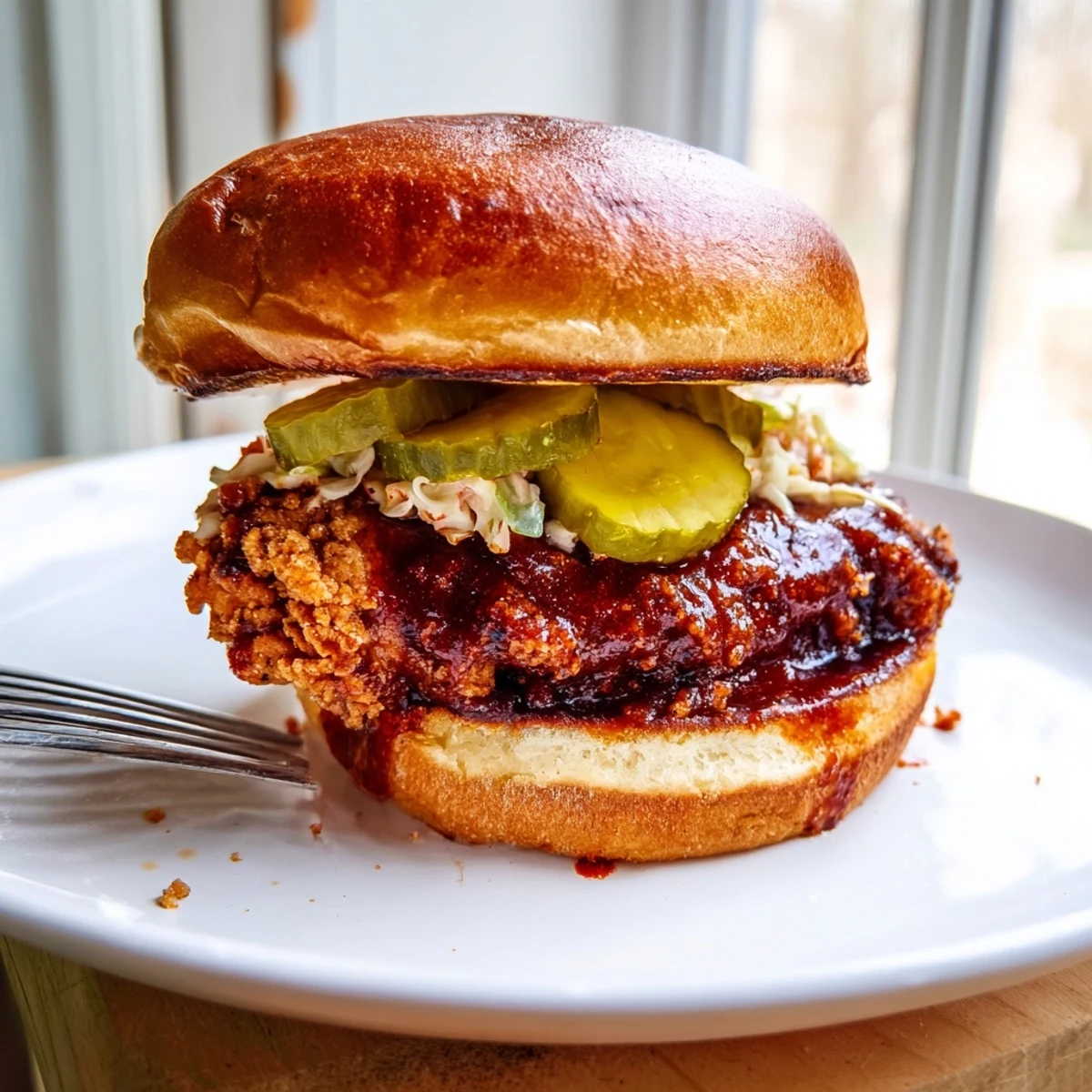
Serve on toasted brioche with dill pickles and creamy coleslaw; adjust cayenne to control heat and use thighs for juicier results.
The first time I tried making Nashville hot chicken at home, I had to open the windows wide—the fiery sizzle filled my kitchen with a chorus of pops and an aroma so bold it made my eyes water with anticipation. Somehow, there was a thrilling challenge in working with so much spice, a kind of culinary adventure I hadn't expected to find on an ordinary weeknight. Bits of flour dusted my shirt and the countertop, while I nervously eyed the thermometer, praying I'd nail that golden crunch. Even my neighbor stopped by, lured in by the scent, and left convinced I'd managed to bottle Southern heat in a sandwich.
I’ll never forget the afternoon I first served these to friends—everyone circled the kitchen counter, laughing as the bright red sauce pooled on our plates (and maybe our shirts), and I found myself fielding requests for seconds before the first sandwich was even finished. The backdrop was a playlist of blues and lots of messy napkins, pure uncomplicated happiness.
Ingredients
- Boneless, skinless chicken thighs: Their rich flavor stays juicy during frying—let them marinate to soak up more spice.
- Buttermilk: Tenderizes the chicken and helps the coating stick, turning every bite extra succulent.
- Hot sauce: Adds a pleasant tingle to the marinade—a little goes a long way, so pick one you love.
- Kosher salt and ground black pepper: Simple, but essential for seasoning the chicken right from the start.
- All-purpose flour and cornstarch: The secret partners in crime for a shatteringly crisp crust—cornstarch really makes the crunch happen.
- Paprika, garlic powder, onion powder, cayenne pepper: These infuse the chicken with a layer of heat and deep flavor that builds as you eat.
- Vegetable oil: Choose a neutral, high-heat oil for frying; keep the temperature steady for best results.
- Brown sugar: Its sweetness hints at caramel and tempers the intensity of the heat in the sauce just enough.
- Brioche buns: Soft, slightly sweet, and sturdy enough to hold every layer without falling apart—don’t skimp here.
- Dill pickle chips: The crisp, tangy crunch sets off the heat perfectly, cutting through the richness.
- Coleslaw: I like mine creamy and a little sharp; it’s the cool, refreshing foil to all that spice.
- Unsalted butter (for toasting buns): Optional, but it gives the buns a golden finish and subtle richness.
Instructions
- Let the chicken soak:
- In a large bowl, stir together buttermilk, hot sauce, salt, and pepper; nestle chicken thighs in and let them marinate at least 20 minutes or up to overnight, so every bite stays juicy and flavorful.
- Mix up the dredge:
- Pour flour, cornstarch, paprika, garlic powder, onion powder, cayenne, and salt into a shallow dish, whisking until no streaks remain—you’ll see the powder puff up with each stir.
- Dredge for crispiness:
- Lift chicken from the marinade and let the excess drip off, then coat thoroughly in the flour mixture, really pressing to get a thick layer; rest the breaded chicken on a wire rack to help set the crust.
- Heat your oil:
- Fill a heavy skillet with about an inch of vegetable oil and bring it to 350°F; you’ll hear it faintly sizzling when it’s ready.
- Fry to golden:
- Gently lay chicken into the oil, avoiding crowding, and fry each piece for 5–7 minutes per side until crisp and deep golden—listen for the bubbling and trust your thermometer for doneness.
- Make hot sauce magic:
- In a bowl, immediately whisk together 1/2 cup hot frying oil with all the spices and brown sugar; it’ll become a fiery paste—brush generously over the hot chicken so it soaks into every nook and cranny.
- Toast those buns (optional):
- While the chicken rests, spread butter on bun halves and toast in a skillet until golden and fragrant—it’s a simple touch that’s well worth it.
- Build your masterpiece:
- Layer the sauced chicken on a bun bottom, pile on pickle chips and a generous scoop of slaw, then cap with the top bun (press gently, brace for saucy drips, and serve while hot).
 Save to Pinterest
 The first time I brought these sandwiches to a summer backyard get-together, someone jokingly challenged me to a spice-off—and everything turned into a friendly (mouth-burning) contest of who could handle the heat. That’s when I realized these sandwiches turn mealtime into an experience everyone talks about later.
How My Coleslaw Almost Stole the Show
I once forgot to grab bottled coleslaw, so I hastily mixed shredded cabbage, a little mayo, vinegar, and a pinch of sugar—the accidental homemade slaw brought just the right tangy crunch, and now I make it from scratch every time.
What Happens If You Use Chicken Breasts?
Swapping in chicken breasts gave us a lighter sandwich with less richness, but upping the marinating time kept them tender enough to mop up all that spicy sauce (and no one really complained between bites).
Serving Up Nashville Hot (And Cooling Down)
Sharing these sandwiches always means a table full of ice-cold drinks, plenty of extra napkins, and someone inevitably asking for more pickles to take the edge off the heat.
- If your kitchen gets smoky, crack a window and laugh it off—it’s worth it.
- Let the chicken rest five minutes so the juices settle and don’t make your sandwich soggy.
- Slice the sandwiches in half if you want to share—they’re as big on flavor as they are in size.
 Save to Pinterest
 Sandwiches like these have a way of bringing everyone closer, one spicy, joyful bite at a time. Here’s to chasing a little Southern heat together, no matter where you are.
Recipe Questions & Answers
- → Which cut yields the juiciest outcome?
-
Chicken thighs stay moist under high-heat frying thanks to higher fat content; breasts can be used but may need brining or shorter cook time to avoid drying out.
- → How long should the chicken marinate?
-
At least 20 minutes gives flavor and tenderness; refrigerate overnight for deeper tang from the buttermilk and better texture after frying.
- → What oil and temperature are best for frying?
-
Use a neutral oil with a high smoke point (vegetable, peanut). Maintain about 350°F (175°C) for crisp exterior and fully cooked interior without burning the dredge.
- → How can I tone down the heat of the sauce?
-
Reduce cayenne, add extra brown sugar or a touch more oil, or balance with a creamy element like a slaw or mayo-based spread to mellow the spice.
- → Any tips for extra-crispy coating?
-
Include cornstarch in the dredge, press the flour firmly onto the chicken, let coated pieces rest on a rack for 10 minutes, and avoid overcrowding the pan while frying.
- → How should leftovers be stored and reheated?
-
Cool completely, refrigerate in an airtight container up to 3 days. Reheat in a hot oven or an air fryer to restore crispness rather than microwaving.