
 Save to Pinterest
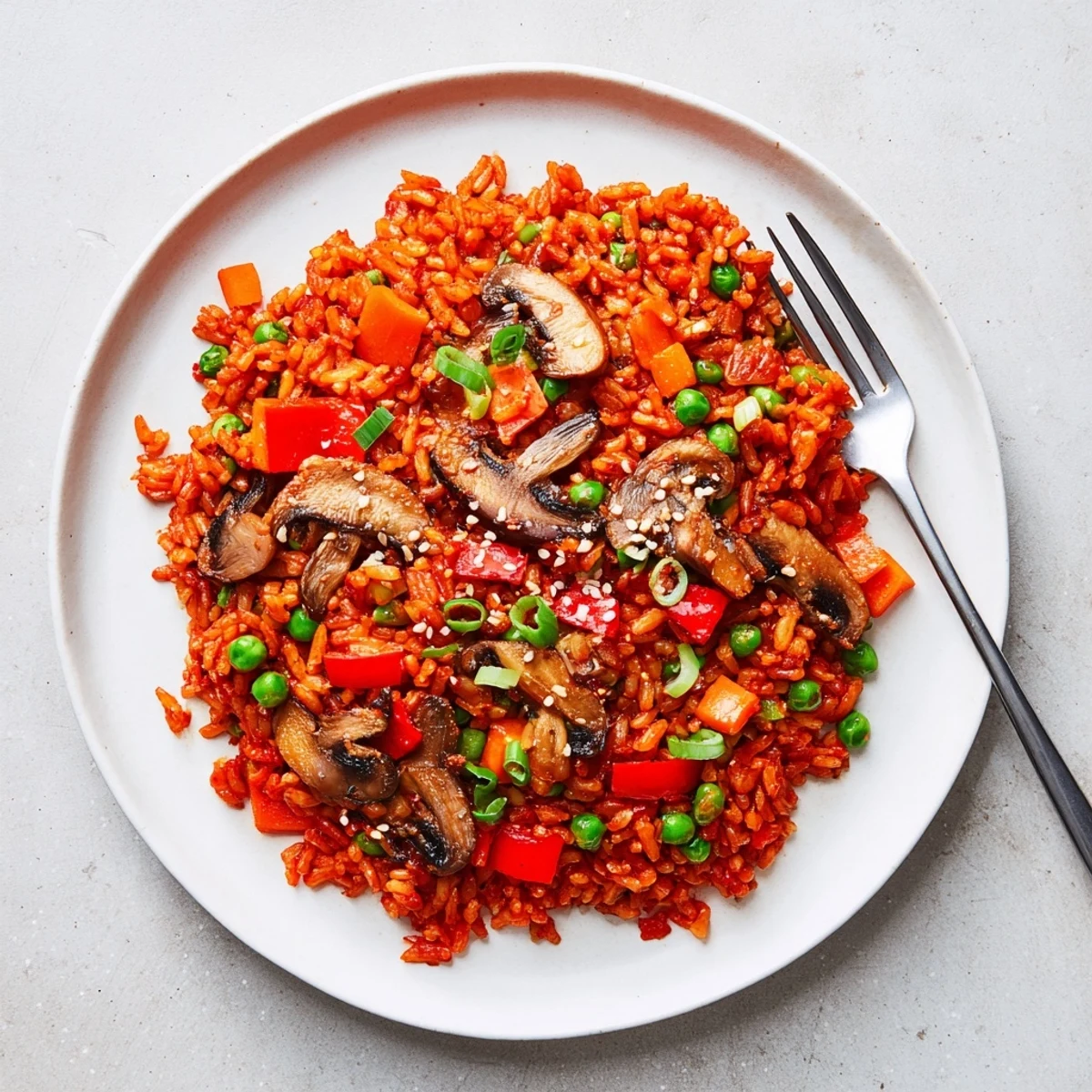
 This vibrant Korean-inspired dish features day-old jasmine rice stir-fried with crisp vegetables like carrots, bell peppers, and mushrooms, all coated in a spicy-sweet gochujang sauce. Ready in just 30 minutes, this plant-based version delivers authentic flavors through the perfect balance of Korean chili paste, tamari, toasted sesame oil, and maple syrup. The result is a satisfying meal with crispy rice edges and tender vegetables, easily customizable with your favorite proteins or seasonal produce.
The smell of toasted sesame oil hitting a screaming hot wok is enough to make me abandon whatever I was doing and wander into the kitchen like a moth to flame. My friend Joon introduced me to gochujang years ago during a lazy Sunday when his fridge held nothing but leftover rice, half a carrot, and that mysterious red tub. One bite and I was converted on the spot, chasing that funky, sweet heat for weeks until I nailed my own version.
I started making this on weeknights when cooking felt like a chore but takeout was not an option. Now it is the dish friends specifically request when they come over, which honestly beats any compliment I have ever received.
Ingredients
- Cooked jasmine or short grain rice (3 cups, day old): Fresh rice turns gummy and sad in a wok, so spread leftover rice on a sheet pan and let it dry out uncovered in the fridge overnight.
- Carrot (1 medium, diced): Small uniform pieces ensure every bite gets a touch of sweetness without crunching through a raw chunk.
- Frozen peas (1 cup): No need to thaw them because they cook perfectly straight from frozen and keep their bright color.
- Red bell pepper (1, diced): Its natural sweetness balances the aggressive heat of the gochujang beautifully.
- Green onions (4, sliced, white and green parts separated): The whites become an aromatic base while the greens stay fresh for finishing.
- Garlic (2 cloves, minced): Fresh garlic only because the jarred stuff loses the sharp punch this dish relies on.
- Shiitake or button mushrooms (1 cup, sliced): Shiitakes bring a deeper earthiness but buttons work fine if that is what you have.
- Gochujang (3 tbsp, vegan): This is the heart and soul of the dish so find a brand without added honey or fish products.
- Soy sauce or tamari (2 tbsp): Tamari keeps it gluten free and actually gives a richer, rounder saltiness.
- Toasted sesame oil (1 tbsp): A little goes a long way and adds that unmistakable nutty aroma.
- Maple syrup or agave (1 tbsp): Just enough sweetness to round out the chili paste without making it dessert.
- Rice vinegar (1 tbsp): A splash of acidity wakes up all the flavors and keeps the dish from feeling flat.
- Neutral oil (1 tbsp): Vegetable or canola oil has a high smoke point which you need for proper stir frying.
- Sesame seeds and extra green onions for garnish: Texture and freshness matter more than you think so do not skip these.
Instructions
- Whisk the sauce together:
- Combine gochujang, soy sauce, sesame oil, maple syrup, and rice vinegar in a small bowl until smooth. Taste it and adjust the heat or sweetness before you even turn on the stove.
- Heat the wok:
- Pour neutral oil into a large skillet or wok set over medium high heat until it shimmers and just starts to smoke. That shimmer is your signal that the pan is ready to work.
- Build the aromatic base:
- Toss in the white parts of the green onions, garlic, and diced carrots, stir frying for about 2 minutes until the garlic is fragrant and the carrots soften slightly. Keep everything moving so nothing burns.
- Add the heartier vegetables:
- Drop in the bell pepper and mushrooms, cooking for 2 to 3 minutes until edges start to caramelize and brown. Those brown spots are where the flavor lives.
- Quick cook the peas:
- Stir in the frozen peas and give them just 1 minute to warm through and turn vibrant green. Overcooking them turns pea colored water into sad mush.
- Fry the rice:
- Crank the heat to high, add the rice, and use your spatula to break up every clump while stir frying for 2 to 3 minutes. You want each grain separate and heated through.
- Add the sauce and crisp:
- Pour the gochujang sauce over everything and stir vigorously, coating every grain evenly, then cook another 2 to 3 minutes until rice gets slightly crispy in spots. Listen for that sizzle because it means you are doing it right.
- Finish and serve:
- Kill the heat, fold in the green parts of the green onions, and taste for salt or heat. Serve immediately with a generous shower of sesame seeds.
 Save to Pinterest
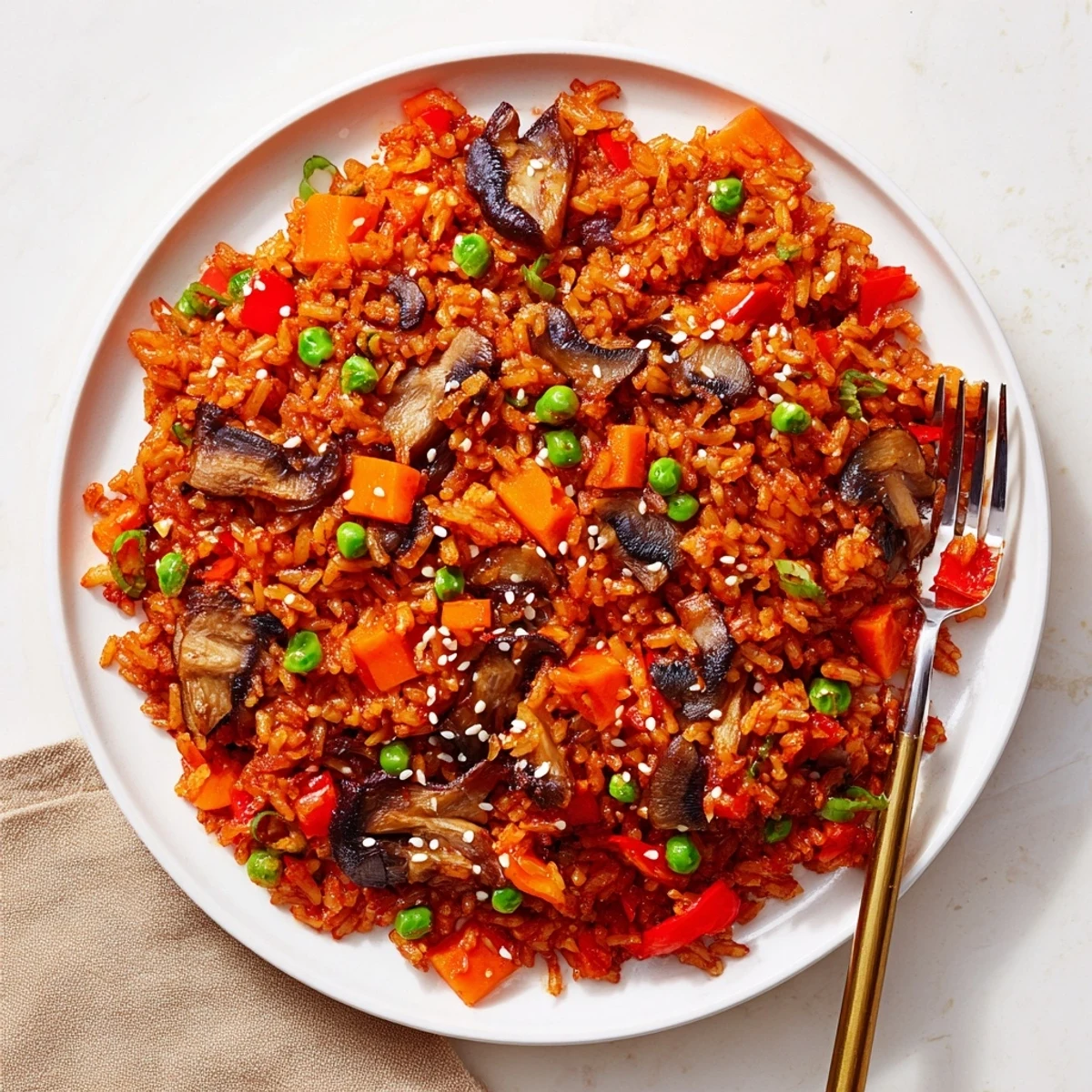
 There is something deeply satisfying about turning leftover rice and random vegetables into a meal that feels intentional and special.
Making It Your Own
This recipe is more of a framework than a strict set of rules, and I have never made it exactly the same way twice. Toss in cubed baked tofu or a handful of edamame if you want more protein and staying power. Swap vegetables based on what is wilting in your crisper drawer because almost anything works here.
Handling Leftovers
The flavors actually deepen overnight in the fridge, making this one of those rare dishes I look forward to eating cold straight from the container. It keeps well for up to 3 days stored in an airtight container. Reheat it in a hot skillet with a splash of water to bring back some of that original texture.
Worth Watching Out For
Not all gochujang or soy sauce is created equal when you are cooking vegan, so become friendly with ingredient labels. Some brands sneak in wheat, fish sauce, or honey without making it obvious on the front of the package. Using certified gluten free tamari and a verified vegan gochujang takes the guesswork out of it.
- Check for hidden honey or fish sauce in your gochujang brand.
- Use tamari instead of soy sauce to keep it gluten free.
- When in doubt, read the label twice rather than assume.
 Save to Pinterest
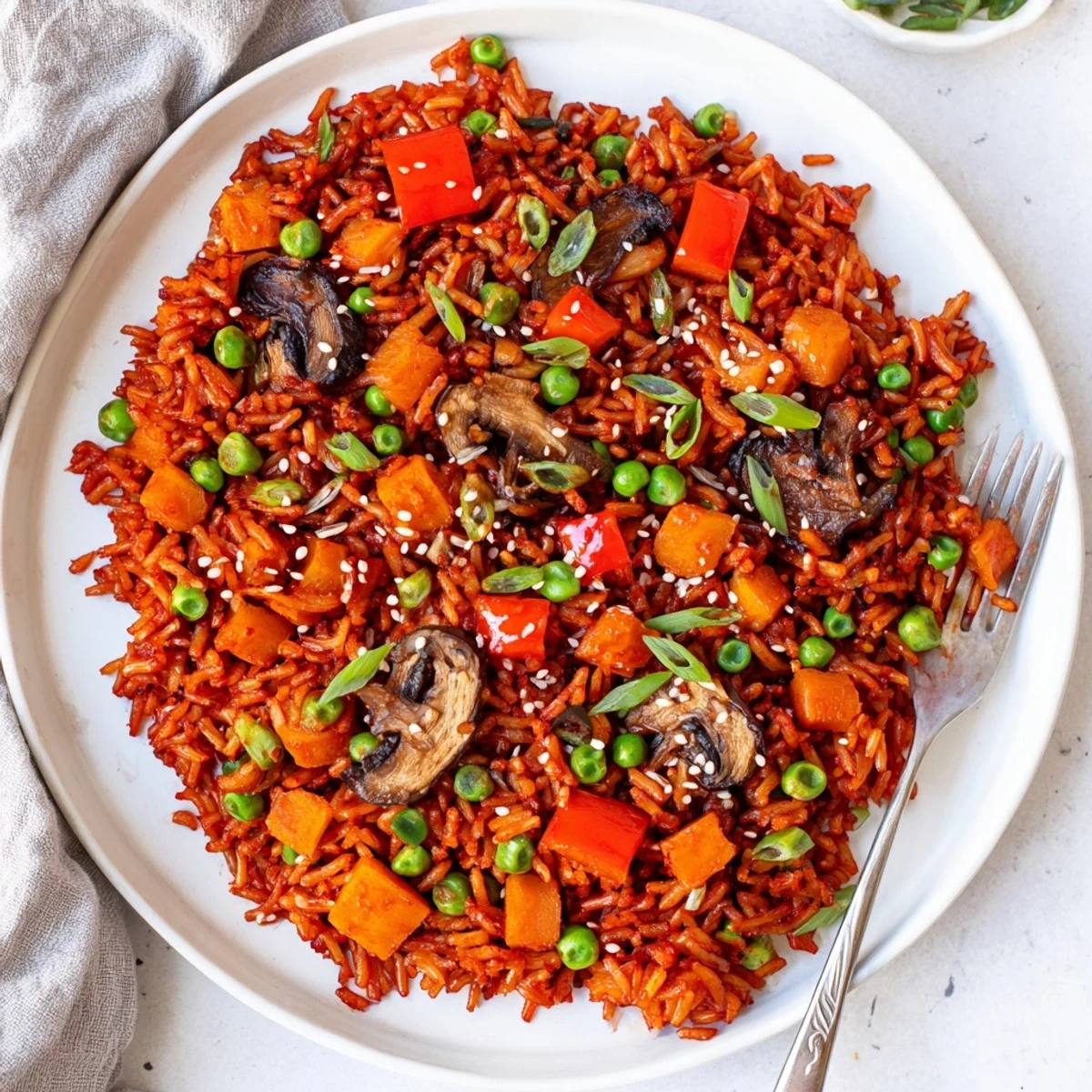
 Once you have this gochujang sauce memorized, you will find excuses to put it on everything from roasted vegetables to plain noodles. It is the kind of recipe that makes your everyday cooking a little more exciting.
Recipe Questions & Answers
- → What does gochujang taste like?
-
Gochujang delivers a complex balance of sweet, savory, and spicy flavors with fermented undertones. The Korean chili paste has a rich umami depth with moderate heat that builds gradually, making it perfect for coating fried rice.
- → Why use day-old rice?
-
Day-old rice has dried out slightly, preventing clumping and achieving better texture. The grains separate easily during stir-frying, creating crispy edges while remaining tender inside for authentic fried rice consistency.
- → Can I make this less spicy?
-
Simply reduce the gochujang amount to 1-2 tablespoons for milder heat. You can also add a splash more rice vinegar or maple syrup to balance the spice level to your preference.
- → What protein additions work well?
-
Cubed baked tofu, edamame, chickpeas, or tempeh make excellent plant-based protein additions. Add them during the final minutes of cooking to heat through without overcooking.
- → How should I store leftovers?
-
Store cooled portions in an airtight container in the refrigerator for up to 3 days. Reheat in a skillet over medium heat or in the microwave, adding a splash of water if needed to refresh the texture.