
 Save to Pinterest
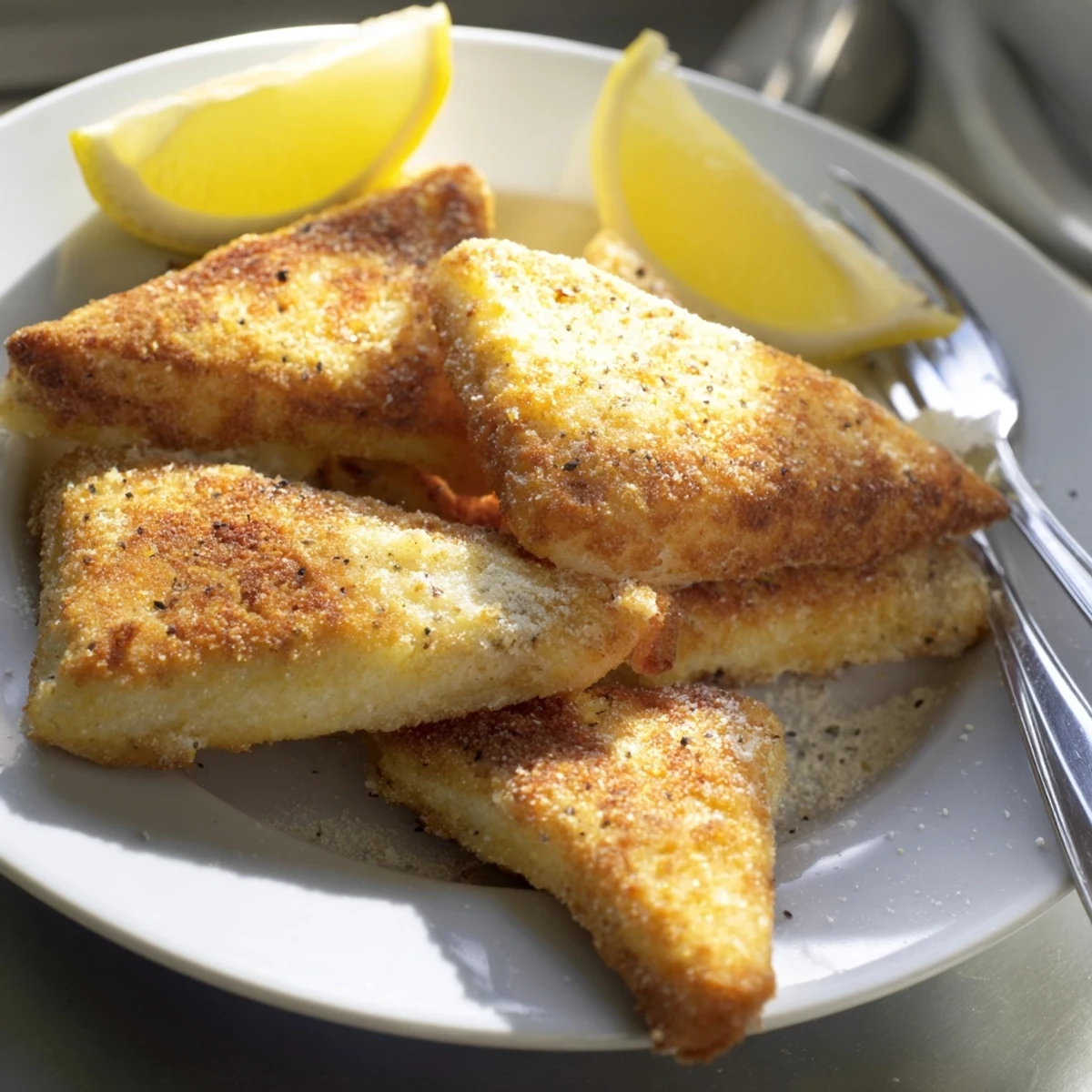
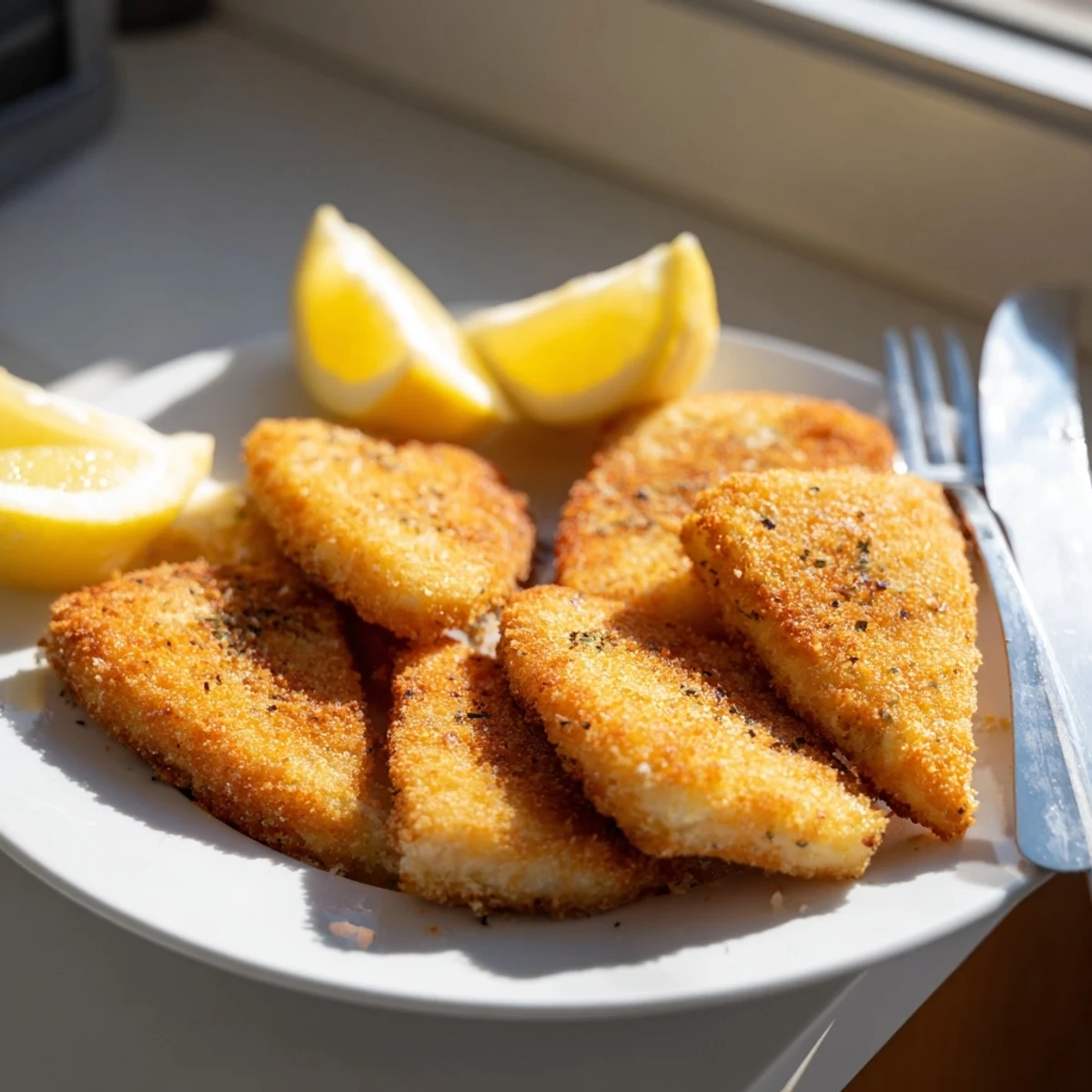
 This beloved Greek appetizer delivers the perfect contrast of textures—crispy, golden coating giving way to warm, melting cheese inside. Ready in just 20 minutes, it's a crowd-pleasing starter that captures the essence of Mediterranean dining. The classic preparation uses firm cheeses like Kefalotyri or Graviera, though Halloumi makes an excellent substitute. Serve immediately with fresh lemon wedges for that bright, traditional finish that cuts through the richness. Perfect for entertaining or a special appetizer at home.
The first time I encountered Saganaki was at a small taverna in Athens, where the waiter flambeed it at the table with a theatrical shout of Opa The memory of that sizzling, golden cheese has haunted my kitchen dreams ever since.
Last summer, I made this for a group of skeptical friends who swore they didnt like fried cheese. One bite in and they were hovering around the pan, waiting for the next batch to emerge from the oil.
Ingredients
- Firm Greek cheese: Kefalotyri or Graviera deliver the most authentic tangy bite, but Halloumi works beautifully if thats what you can find
- Flour: A light dusting creates that essential crispy shell while keeping the cheese inside from escaping too quickly
- Black pepper: Freshly ground adds a subtle warmth that cuts through the richness
- Extra virgin olive oil: This is nonnegotiable for genuine Greek flavor, though you can use less if you prefer shallow frying
- Lemon wedges: The acid is the perfect counterpoint, brightening each bite and cutting through the oil
Instructions
- Prep the cheese:
- Cut your cheese into generous slices, about half an inch thick, and pat them completely dry with paper towel
- Coat evenly:
- Spread flour on a plate, add some pepper, then press each cheese slice into the flour on both sides
- Heat the oil:
- Get your olive oil shimmering in a nonstick pan over mediumhigh heat
- Fry to golden:
- Carefully lay in the cheese and let it sizzle for one to two minutes per side until deeply golden
- Drain and serve:
- Transfer to paper towels, then immediately bring to the table with lemon wedges
 Save to Pinterest
 My sister still talks about the night I accidentally set off the smoke alarm while making these. We ended up eating them standing around the open back door, and it was somehow perfect.
Choosing Your Cheese
While Kefalotyri is the traditional choice, Ive had excellent results with aged provolone when I couldnt find Greek cheese. The key is something firm enough to hold its shape but with enough fat content to melt beautifully.
The Flour Factor
Ive experimented with different coatings over the years, but simple flour seasoned with pepper remains my favorite. Panko creates too thick a crust, while cornstarch makes the coating too delicate and prone to washing off.
Serving Suggestions
Beyond the classic lemon squeeze, a drizzle of honey and sprinkle of dried oregano transforms this into something entirely new and wonderful. I keep a small bowl of each on the table and let everyone customize their own.
- These disappear fastest when served as soon as they hit the plate
- A chilled Assyrtiko or crisp Pinot Grigio pairs beautifully
- Make double the amount you think youll need
 Save to Pinterest
 Theres something deeply satisfying about turning three simple ingredients into something so extraordinary. Sometimes the best recipes are the ones that let the ingredients shine without any fuss.
Recipe Questions & Answers
- → What cheese works best for frying?
-
Firm, high-quality cheeses like Kefalotyri or Graviera are traditional choices that hold their shape beautifully. Halloumi makes an excellent alternative with its unique squeaky texture, while firm feta can work in a pinch.
- → Why is my cheese melting too much?
-
Ensure your cheese slices are at least 1cm thick and pat them thoroughly dry before coating. Room temperature cheese may melt faster, so keep chilled until ready to fry. Don't overcrowd the pan, which lowers oil temperature.
- → Can I make this ahead of time?
-
For best results, serve immediately after frying while the coating is at its crispest. You can slice and coat the cheese up to an hour ahead, storing uncovered in the refrigerator. The texture diminishes significantly once cooled.
- → What oil should I use?
-
Extra virgin olive oil is traditional and adds wonderful Mediterranean flavor. You can also use light olive oil, avocado oil, or vegetable oil for a more neutral taste. The oil should be hot but not smoking for optimal crisping.
- → What should I serve with this?
-
Fresh lemon wedges are essential for squeezing over the hot, crispy cheese. This pairs beautifully with chilled white wine, ouzo, or as part of a Greek meze spread with olives, warm bread, and tzatziki.
- → Is this gluten-free?
-
Yes, simply use gluten-free all-purpose flour for the coating. Many traditional Greek cheeses are naturally gluten-free, but always check labels if you have severe sensitivities or celiac concerns.