
 Save to Pinterest
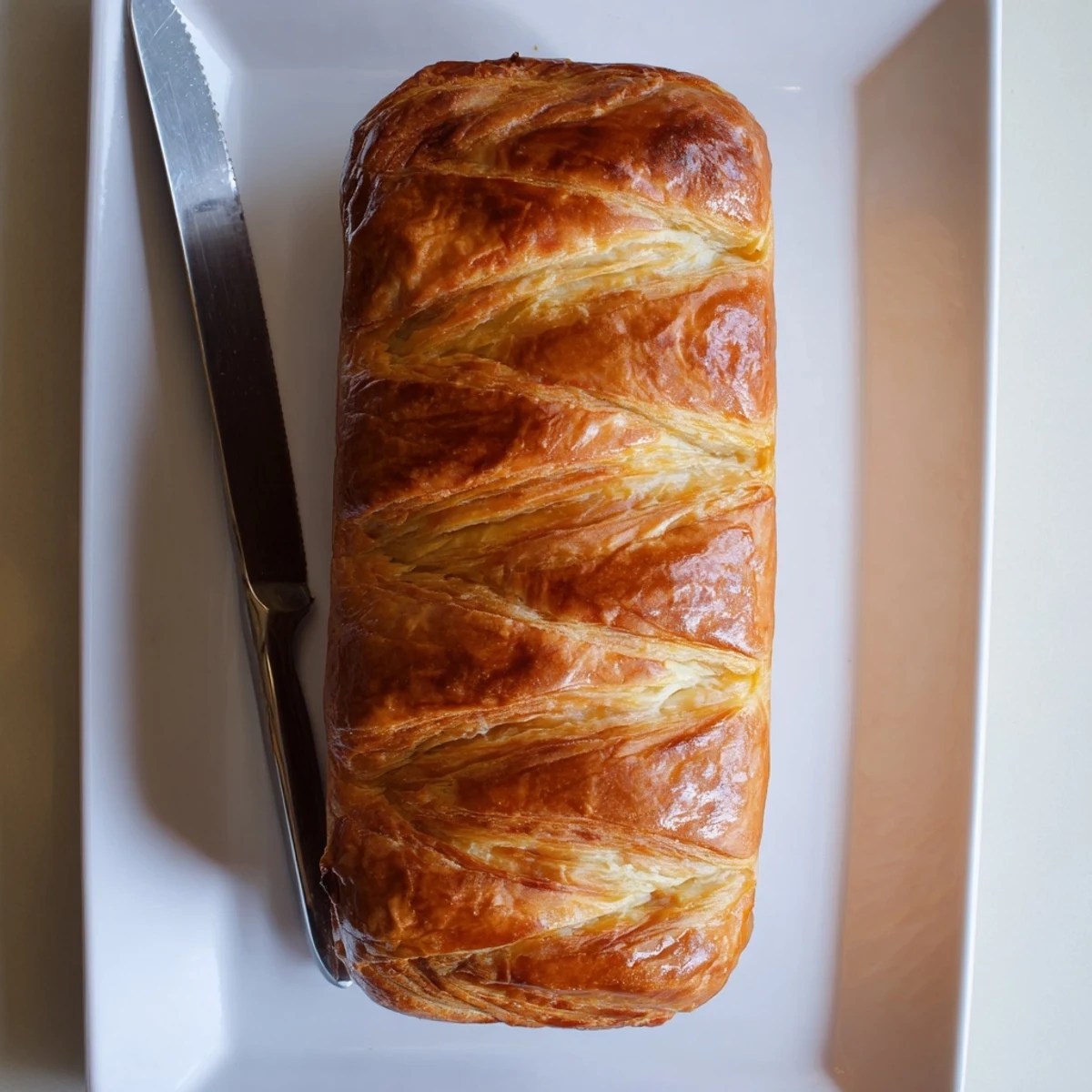
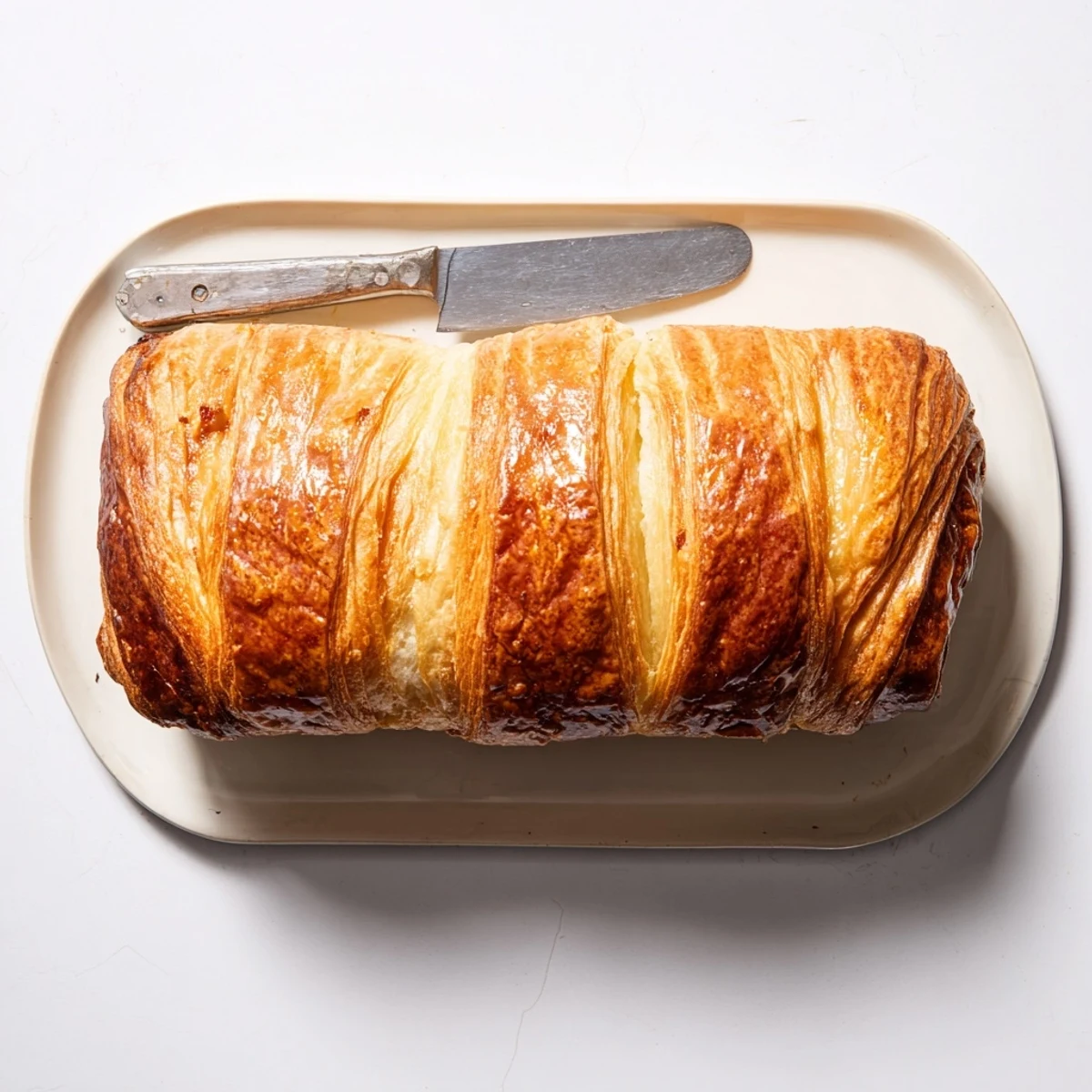
 This enriched dough combines the convenience of a loaf with the signature flaky texture of croissants. Through a series of rolling and folding turns, cold butter creates hundreds of delicate layers, resulting in a golden, tender bread with a satisfying crunch. The process requires patience but rewards with bakery-quality results perfect for weekend brunch or special morning occasions.
My tiny apartment kitchen smelled like a French bakery for three straight days when I first attempted this hybrid bread. The butter laminate process felt intimidating until I realized it is basically just layering happiness into dough. Now whenever I bake it, I pretend I am running a boulangerie from my countertop.
I brought this to a brunch last fall and watched three different people ask for the recipe between bites. Something about pulling apart those tender layers makes people feel special, like you really put in extra effort just for them.
Ingredients
- All-purpose flour: Provides structure while keeping the bread tender
- Instant yeast: Reliable and quick-acting, no proofing needed
- Unsalted butter: Cold butter creates those essential flaky layers through lamination
- Whole milk: Adds richness and helps create a tender crumb
- Eggs: One in the dough for structure, one for wash that beautiful golden color
- Sugar and salt: Balance flavors and strengthen the gluten network
Instructions
- Mix the base dough:
- Combine flour, sugar, salt, and yeast in a large bowl, keeping yeast away from direct salt contact. Pour in lukewarm milk, melted butter, and the egg. Mix until you have a sticky, shaggy dough that holds together.
- Knead until smooth:
- Work the dough on a floured surface for 7 to 10 minutes until it feels elastic and smooth. Let it rise in a greased bowl for about an hour until it has doubled in size.
- First chill:
- Punch down the risen dough and shape it into a rough rectangle. Wrap it up and refrigerate for 30 minutes to firm up the gluten.
- Layer in the butter:
- Roll the chilled dough into a 12 by 16 inch rectangle. Arrange cold butter slices over two-thirds of the dough surface, leaving the final third bare.
- First fold:
- Fold the unbuttered third over the center buttered section, then fold the remaining third over that. You should have a neat rectangle with butter enclosed. Turn the dough 90 degrees so the folded edges face you.
- Second fold and chill:
- Roll out again to 12 by 16 inches, fold into thirds like a letter, wrap and chill for 30 minutes. This creates your first turn.
- Complete the turns:
- Repeat the rolling, folding, and chilling process two more times for a total of three turns. The dough will become smoother and more cooperative with each fold.
- Shape the loaf:
- After the final chill, roll the dough to about 8 by 16 inches. Roll it up tightly from the short end into a cylinder and place it seam-side down in a greased 9 by 5 inch loaf pan.
- Final rise:
- Cover the loaf loosely and let it rise until doubled, about an hour. It should look puffy and gently crown above the pan edges.
- Bake to golden:
- Preheat oven to 375°F. Whisk the egg with a tablespoon of milk and brush the entire loaf surface. Bake 35 to 40 minutes until deeply golden and the loaf sounds hollow when tapped. Tent with foil if it browns too quickly.
- Cool completely:
- Let the bread rest in the pan for 10 minutes, then turn it out onto a wire rack. Cool fully before slicing to preserve those delicate layers.
 Save to Pinterest
 My sister called me after making this, slightly panicked because she thought she had messed up the folds. It still turned out gorgeous, and we learned that this hybrid bread is more forgiving than it appears.
Make It Sweet
Sprinkle cinnamon sugar over the dough before that final roll into a loaf shape. The sugar caramelizes slightly as it bakes and creates these incredible ribbons of sweetness throughout the layers.
Storage Tips
Keep the loaf wrapped at room temperature for up to two days, though it rarely lasts that long. For longer storage, slice and freeze individual pieces, then toast straight from frozen.
Serving Ideas
Toast thick slices until golden and serve with salted butter melting into all those warm layers. It also elevates basic sandwiches into something that feels like lunch from a European cafe.
- Serve alongside scrambled eggs for an upgrade to weekend breakfast
- Use day old slices to make incredible French toast
- Pair with strong coffee and good conversation
 Save to Pinterest
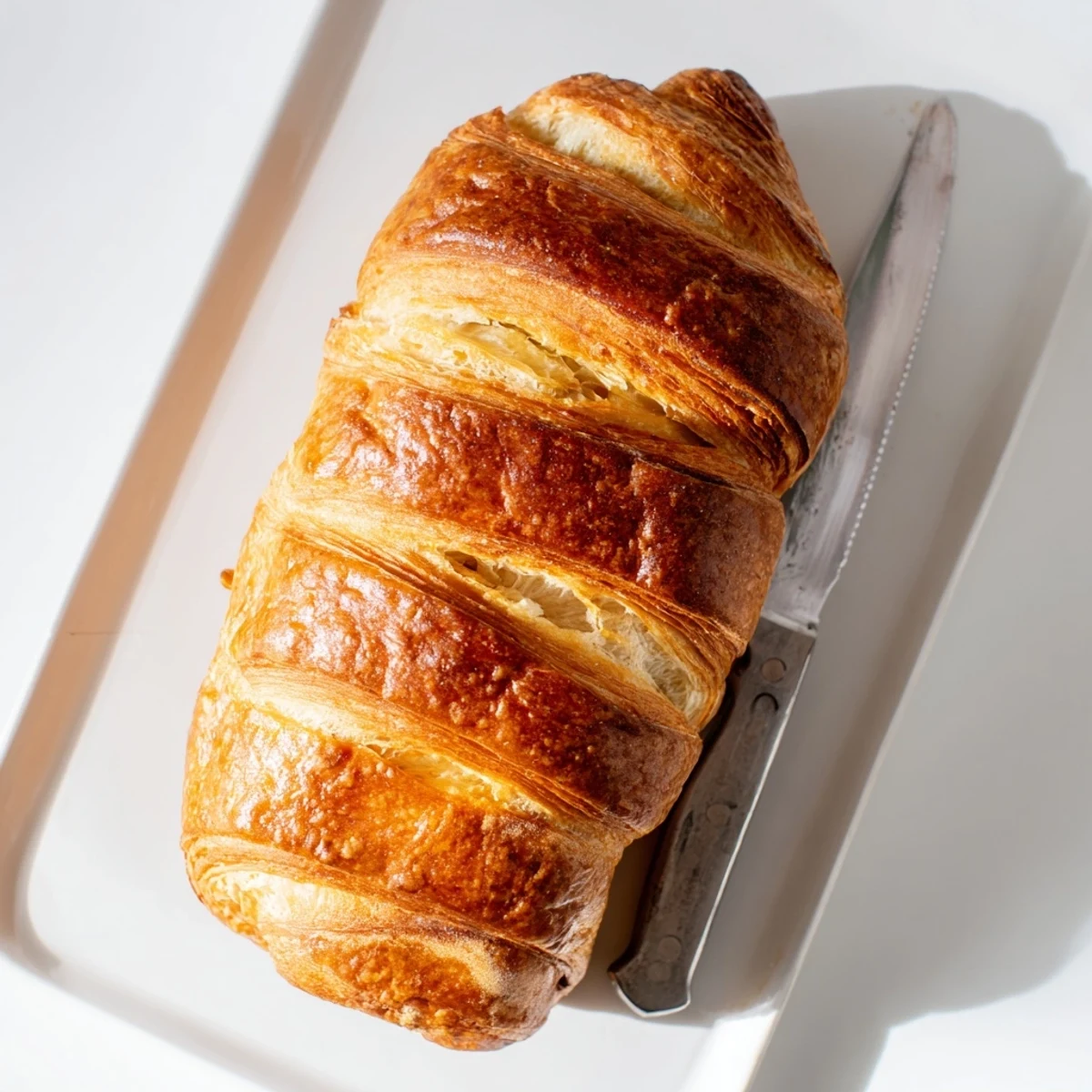
 There is something deeply satisfying about cutting into this bread and watching all those buttery layers separate. It is the kind of recipe that makes you feel like you have mastered something special.
Recipe Questions & Answers
- → Why does the dough need so many chill periods?
-
Chilling between folds keeps the butter cold and firm. If the butter softens, it will blend into the dough rather than creating distinct flaky layers. Each rest period also allows gluten strands to relax, making the dough easier to roll without springing back.
- → Can I use salted butter instead of unsalted?
-
While possible, unsalted butter is preferred for better control over sodium levels. If using salted butter, reduce the salt in the dough by half to prevent an overly salty finished loaf.
- → How do I know when the dough has risen enough?
-
The dough is ready when it has doubled in size and a gentle finger pressed into the surface leaves an indentation that slowly springs back. This typically takes about 1 hour in a warm, draft-free spot.
- → Can I freeze the dough?
-
Yes, wrap the completed dough tightly in plastic after the final chilling step and freeze for up to 3 weeks. Thaw overnight in the refrigerator, then proceed with shaping and the final rise before baking.
- → What if my loaf browns too quickly?
-
Tent the loaf loosely with aluminum foil after about 20 minutes of baking. This shields the surface from direct heat while allowing the interior to finish cooking through completely.
- → Why does my bread lack flaky layers?
-
This typically happens when the butter melts into the dough during rolling. Ensure your kitchen is cool, work quickly, and return the dough to the refrigerator whenever it becomes soft or sticky. Proper chilling between each fold is essential.