
 Save to Pinterest
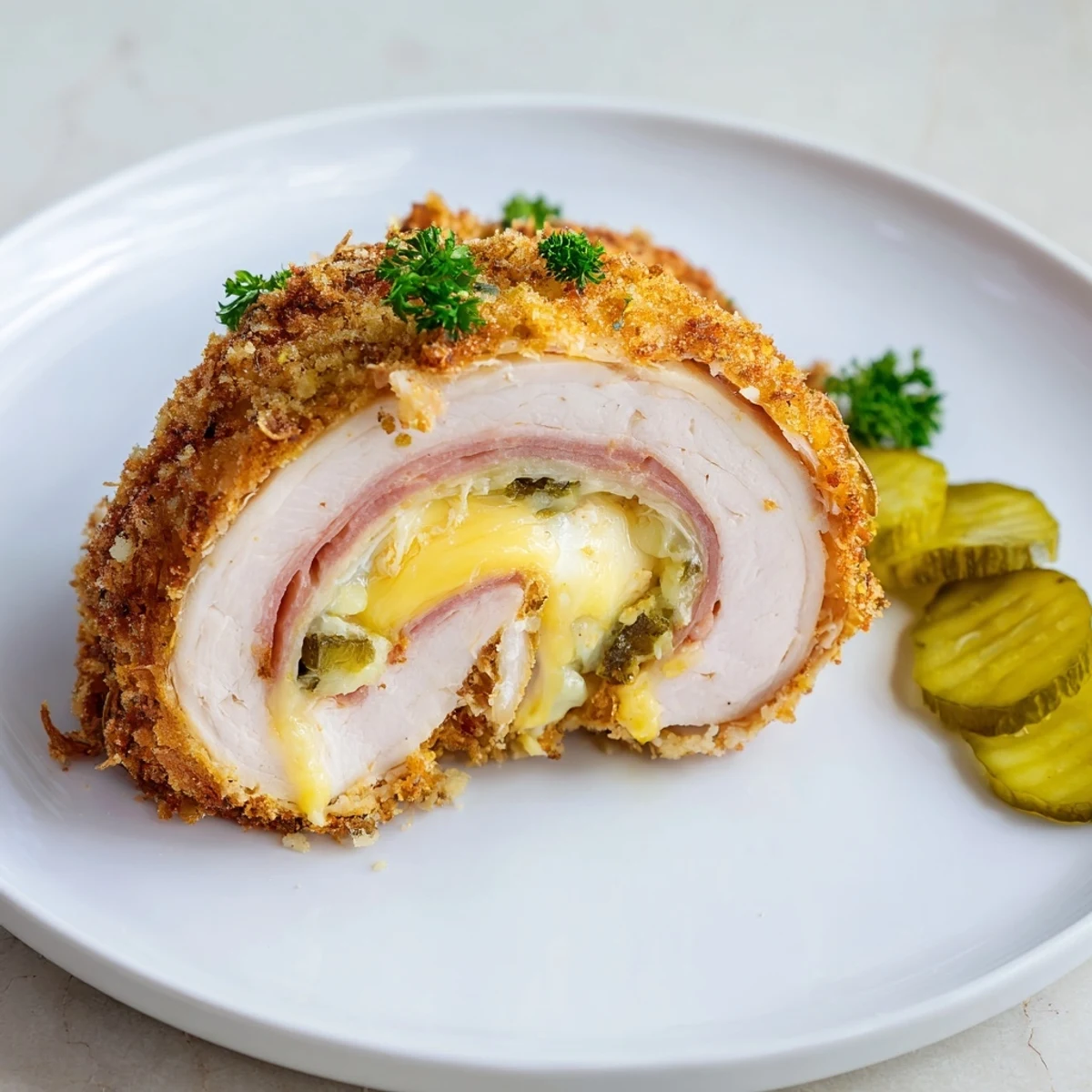
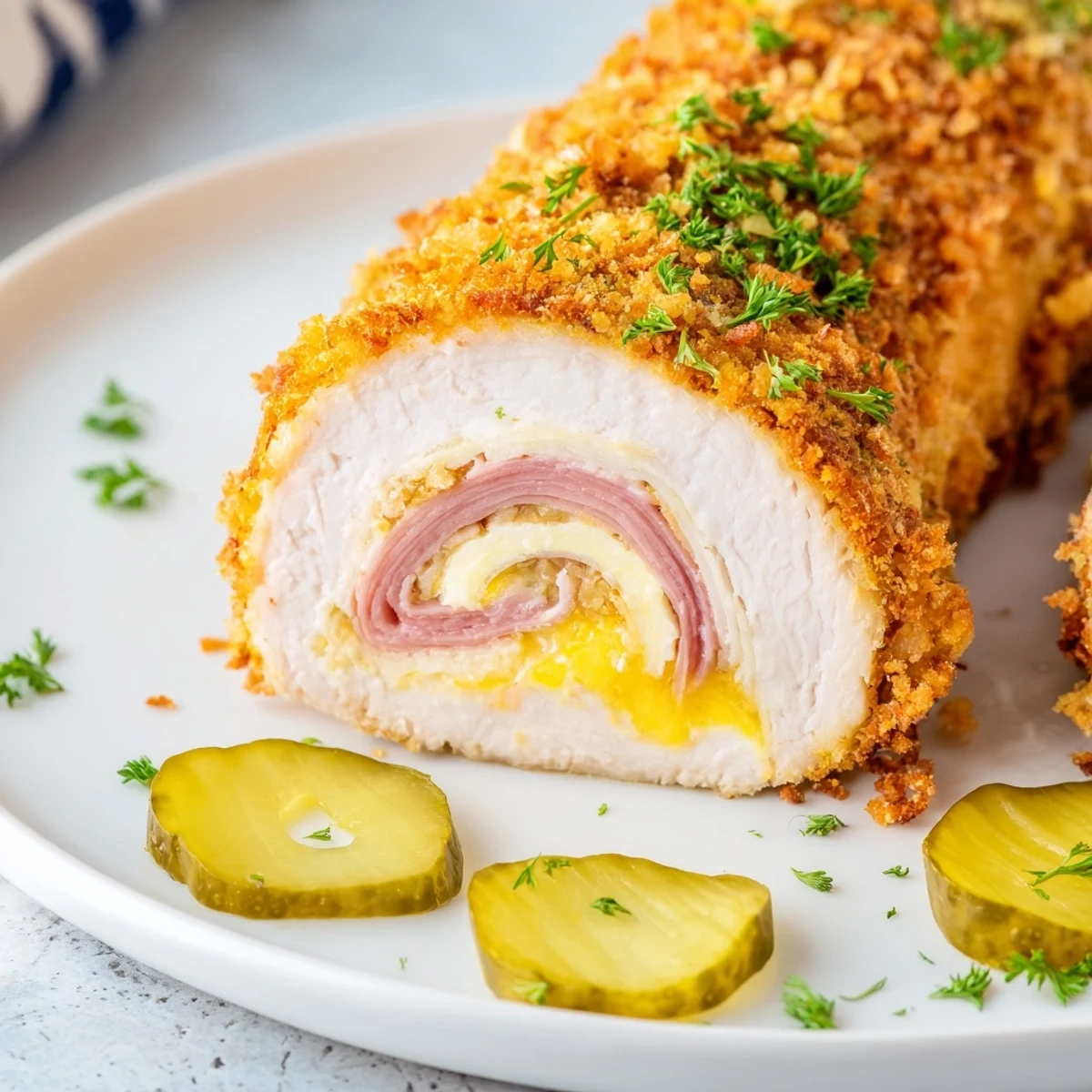
 Brine chicken breasts in dill pickle juice with garlic and onion powder for at least an hour, then pound thin, fill with Swiss or provolone and optional smoked ham, roll and secure. Dredge in flour, egg wash, and seasoned panko, then bake at 400°F (200°C) for 25-30 minutes until golden and 165°F internally. Rest, slice, and serve with creamy mustard or extra pickles; broil briefly for extra crunch.
The smell of pickle juice hitting a hot pan for the first time stopped me dead in my tracks, and I mean that in the best way possible. My neighbor Dave had dared me to try brining chicken in the stuff after swearing his grandmother did it during the Depression. That first batch was a sloppy mess, but the flavor underneath the chaos was undeniable, and I spent the next three weekends obsessing over getting the crunch right.
I made these for a fantasy football draft party once and watched three grown men completely ignore the draft board to argue about whether I had snuck restaurant seasoning into the breading. The silence that followed the first bite told me everything I needed to know about this recipe.
Ingredients
- Dill pickle juice: The star of the brine, use juice from a good quality dill pickle jar, not the cheap stuff, because you can actually taste the difference.
- Garlic powder and onion powder: These deepen the savory backbone of the brine without overpowering the tang.
- Chicken breasts: Pound them evenly so they roll without tearing, and try to buy similar sized pieces for even cooking.
- Swiss or provolone cheese: Provolone melts a bit creamier but Swiss adds a nutty edge that pairs beautifully with the pickle tang.
- Smoked ham: Optional but highly recommended, the smokiness plays off the brine in a way that surprises people.
- Panko breadcrumbs: These give you that shatteringly crisp exterior, regular breadcrumbs will leave you wishing you had gone the extra step.
- Paprika and dried dill: A pinch of each in the breading layer adds color and a subtle herbaceous note that ties everything back to the pickle theme.
- Eggs and milk: The binding team that holds the crust together, a splash of milk keeps the egg wash from being too thick.
- All purpose flour: The first coat in the breading station creates a dry surface for the egg to cling to.
Instructions
- Brine the chicken:
- Slide each pounded breast into the pickle juice mixture, seal it tight, and let the fridge do its magic for at least an hour while you resist the urge to peek every ten minutes.
- Set up the oven:
- Crank it to 400 degrees and line your baking sheet with parchment, giving it a quick spray so nothing sticks later when you are hungry and impatient.
- Roll them up:
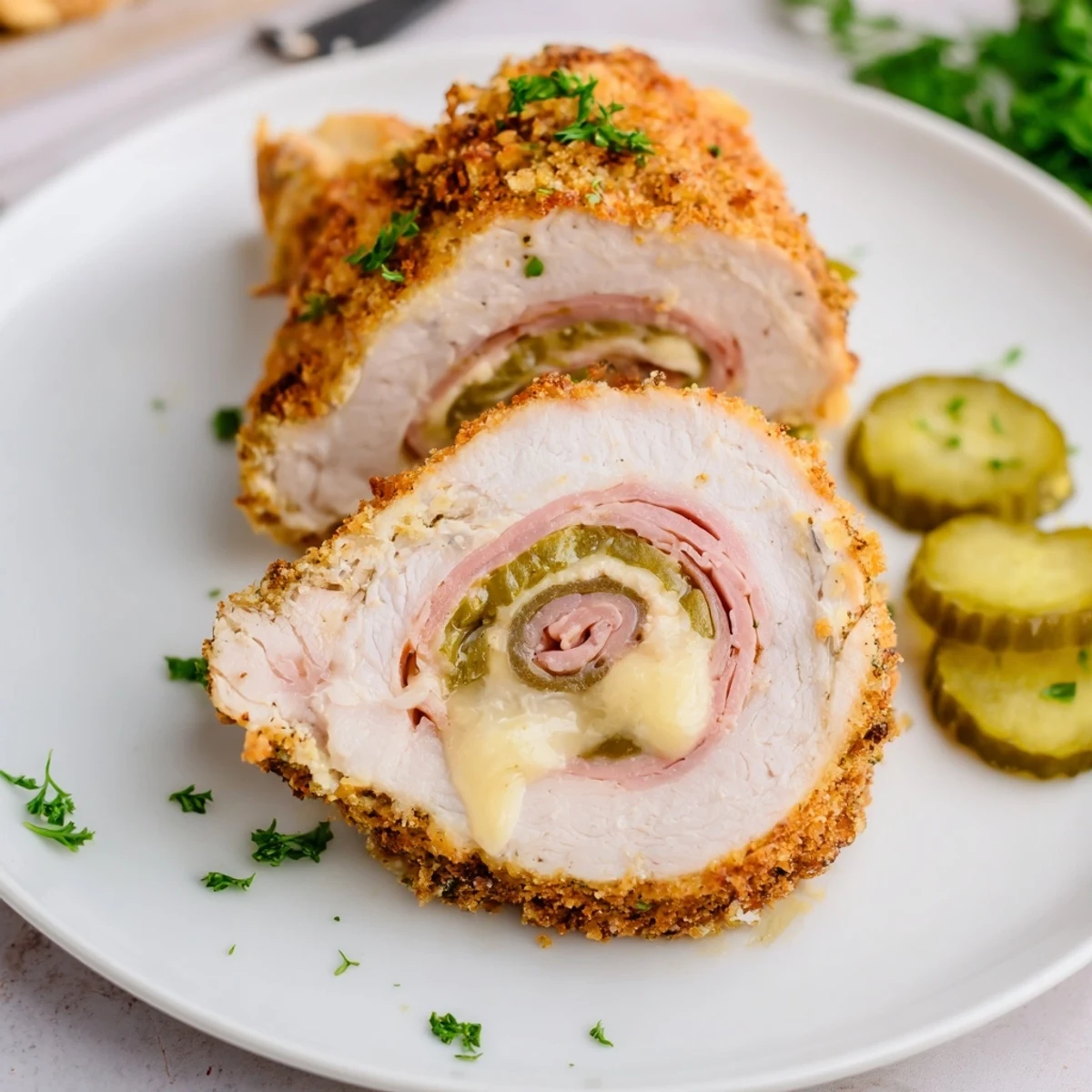
- Lay a slice of cheese and ham on each breast, tuck the edges in, and roll tightly like you are tucking in a very delicious burrito, then pin with toothpicks so nothing escapes.
- Bread the rolls:
- Work through flour, then egg wash, then panko with gentle pressure, really pressing the crumbs into every crevice because that is where the best crunch lives.
- Bake to golden:
- Set the rolls seam side down on the sheet, hit them with a light spray of oil on top, and let the oven turn them into something gorgeously golden for about 25 to 30 minutes.
- Rest and slice:
- Give them five minutes to settle so the cheese does not pour out like lava, pull the toothpicks, and slice on a diagonal because honestly it just looks nicer that way.
 Save to Pinterest
 One cold January evening my daughter walked into the kitchen while these were in the oven, took one deep breath, and announced she was never eating regular chicken again. She was eight at the time, and frankly her taste buds had no business being that sophisticated.
Getting the Roll Right
The trick is all in the pounding, an uneven breast will give you a roll that cooks unevenly and unrolls itself halfway through baking. Take your time with the mallet and aim for that sweet spot of a quarter inch thick across the entire piece.
Serving Suggestions
A simple mustard sauce made from Dijon and a spoonful of mayo with a squeeze of lemon cuts right through the richness and ties the whole plate together. Extra pickles on the side are not optional in my house, they are mandatory.
Storing and Reheating
Leftovers keep well in the fridge for up to three days but the crust softens overnight so a quick blast in a hot oven or air fryer is the only way to bring back the crunch.
- Never microwave these unless soggy is somehow your goal.
- Freeze unbaked rolls on a sheet pan first, then transfer to a bag for up to two months.
- Always check the internal temperature reaches 165 degrees no matter how golden the outside looks.
 Save to Pinterest
 There is something deeply satisfying about watching someone bite into one of these rolls, hear the crunch, and immediately close their eyes. That sound is honestly the whole reason I keep making them.
Recipe Questions & Answers
- → How long should the chicken brine?
-
Brine for a minimum of 1 hour to impart tang and moisture; up to overnight for deeper flavor. Avoid over-brining beyond 24 hours to prevent overly soft texture.
- → What cheeses work best for the filling?
-
Swiss or provolone melt well and complement the pickle tang. Mild cheddar, mozzarella, or fontina are fine alternatives—adjust salt levels if using sharper cheeses.
- → How do I keep the rolls from unraveling?
-
Pat the breasts dry, roll tightly around the filling, and secure with toothpicks. A light dusting of flour before the egg wash helps the coating adhere and seal edges.
- → How can I make the coating extra crispy?
-
Use panko for texture, press it firmly onto the rolls, and either spray or brush the tops with oil before baking. Finish 2–3 minutes under the broiler for added crunch—watch closely to avoid burning.
- → What internal temperature and bake time should I target?
-
Bake at 400°F (200°C) for about 25–30 minutes, or until the center reads 165°F (74°C) on an instant-read thermometer. Thinner pounded breasts cook more evenly within this window.
- → Can I pan-fry instead of baking?
-
Yes—pan-fry in a shallow layer of oil until golden on all sides, then transfer to the oven to finish cooking through, or cover and reduce heat to ensure the center reaches safe temperature.
- → Are there good substitutions for the ham?
-
Omit the ham for a lighter roll, or swap in turkey, prosciutto, or thinly sliced bacon. Consider the saltiness of the substitute and adjust seasoning accordingly.