
 Save to Pinterest
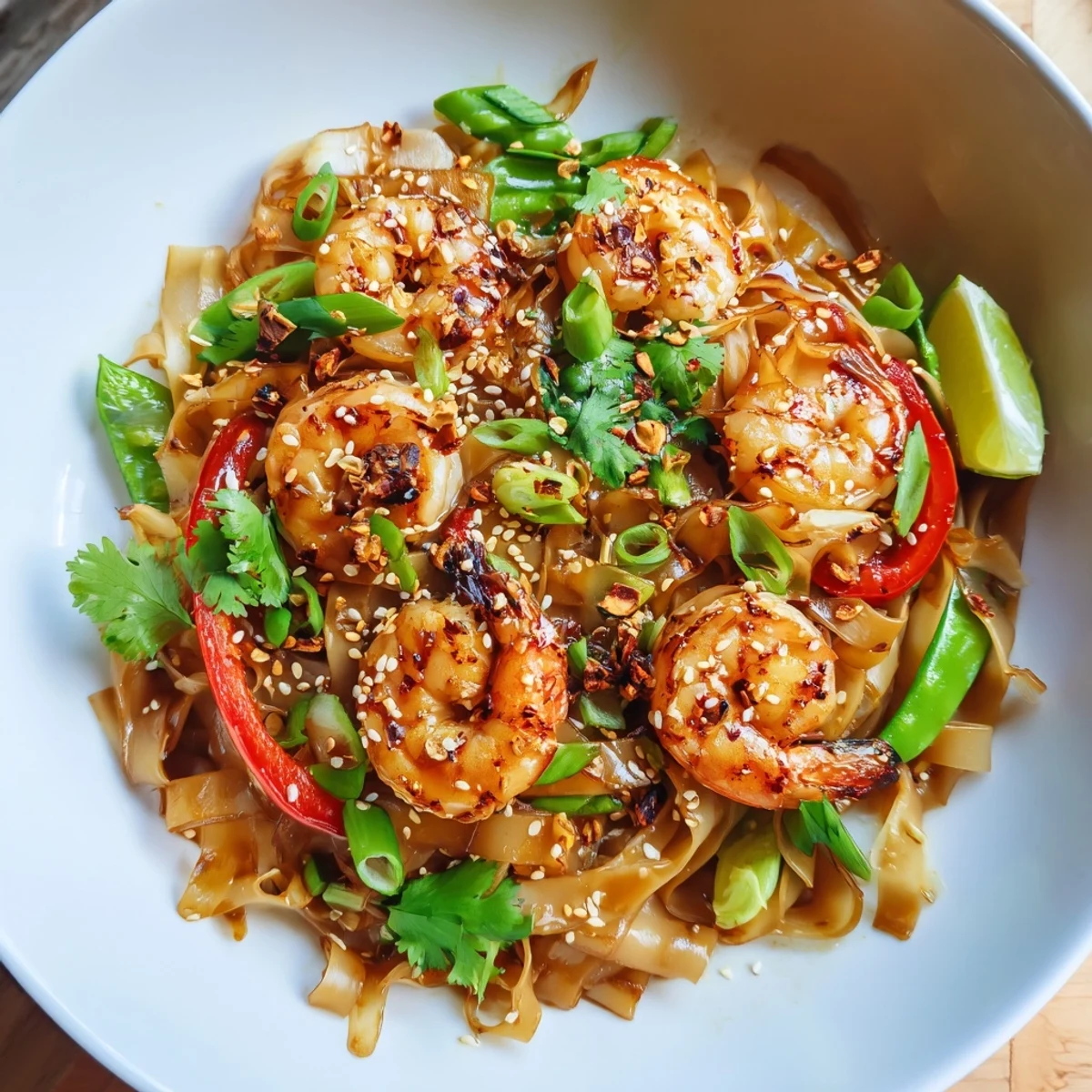
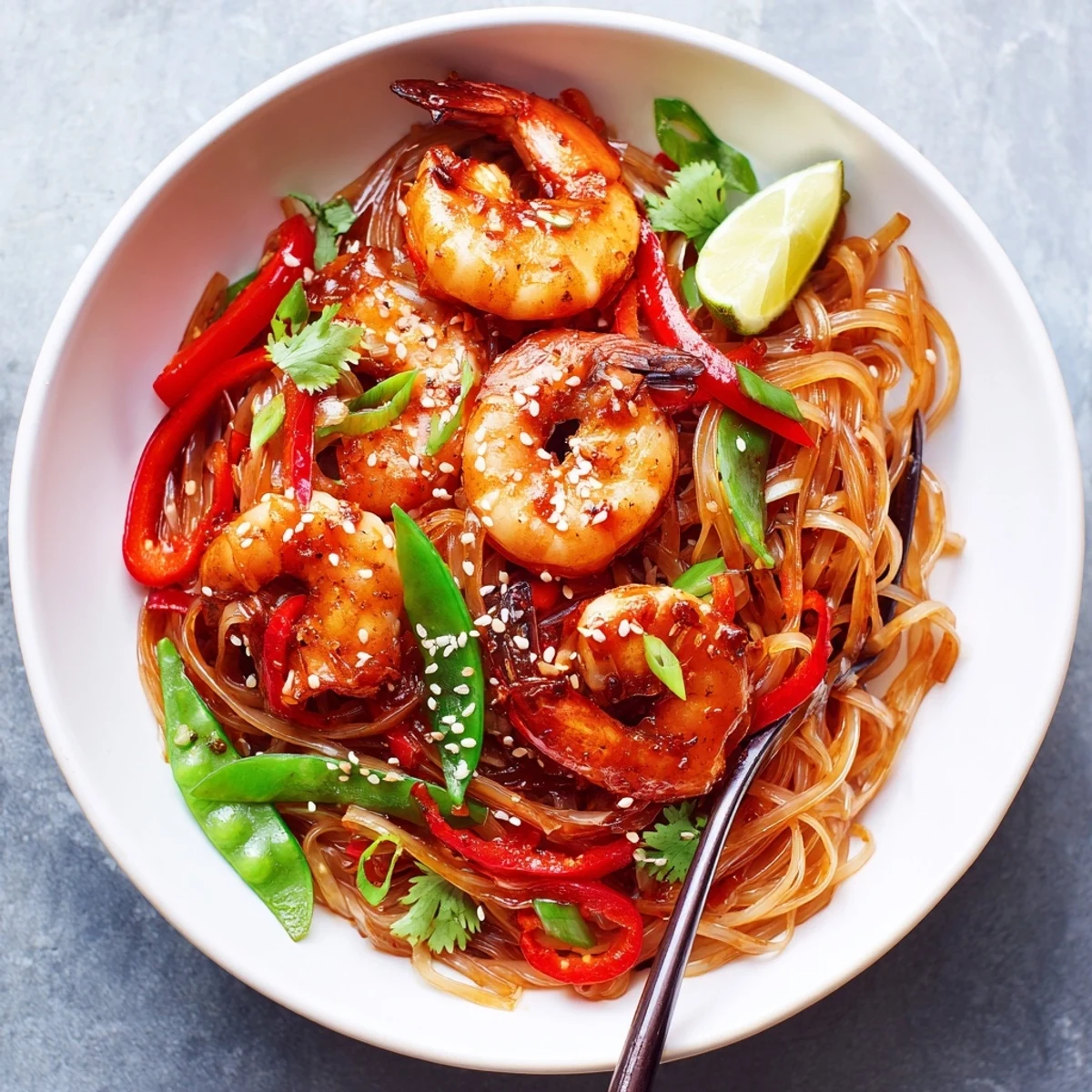
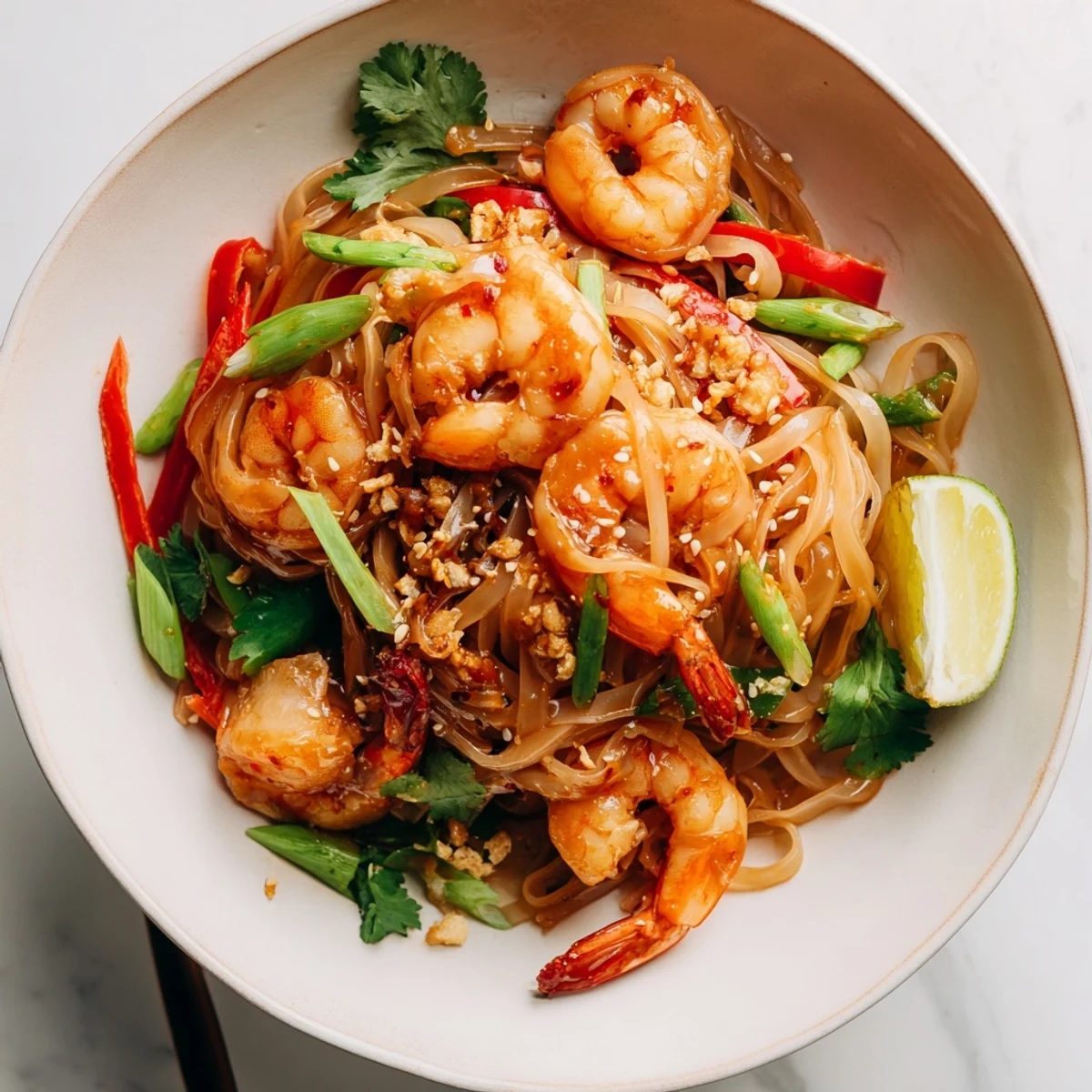
 A quick, 30-minute stir-fry that layers seared shrimp with fragrant garlic and sliced chilies, tossed through silky rice or egg noodles in a balanced soy-oyster-fish-lime sauce. Start by cooking noodles and searing shrimp, then flash-fry the aromatics and vegetables before returning shrimp and sauce to coat. Serve with coriander, sesame and lime for brightness. Tips: swap tofu for a vegetarian option, and adjust chili to heat.
The sizzle of garlic hitting a scorching wok is one of those sounds that makes everyone in the house suddenly appear in the kitchen doorway, pretending they just happened to walk by. My neighbor once knocked on my door to borrow salt while I was making these spicy garlic shrimp noodles and ended up staying for the entire plate. Something about the combination of charred edges on the shrimp and that sticky, fiery sauce clinging to slippery noodles makes it impossible to eat politely.
A rainy Tuesday evening was when this dish truly earned its place in my permanent rotation, because I had exactly nothing planned and a bag of shrimp thawing in the sink. I threw together whatever the pantry offered and ended up with a bowl so good that my roommate asked if I had ordered takeout and was hiding the containers.
Ingredients
- 400 g large shrimp, peeled and deveined: The larger the shrimp, the better that charred crust develops, so do not settle for the tiny ones if you can help it.
- 300 g rice noodles or egg noodles: Rice noodles soak up the sauce beautifully, but egg noodles bring a satisfying chew that holds its own against the bold flavors.
- 1 red bell pepper, thinly sliced: Adds a crunch and sweetness that cools down the chili heat between bites.
- 100 g snow peas, trimmed: Their snap is the texture this dish needs to keep every mouthful interesting.
- 2 spring onions, sliced: Save a handful for garnish because the raw bite on top is just as important as the cooked ones in the stir fry.
- 4 cloves garlic, minced: Four is the minimum here, and honestly no one will complain if you drift toward five or six.
- 1 to 2 red chilies, finely sliced: Start with one and taste the sauce before committing to the second, because chili unpredictability is real.
- 3 tbsp soy sauce: The backbone of umami that ties every other ingredient together.
- 1 tbsp oyster sauce: This is what gives the sauce its body and that glossy sheen on the noodles.
- 1 tbsp fish sauce: It smells assertive on its own but melts into the dish as a depth you cannot replicate with anything else.
- 1 tbsp fresh lime juice: Squeezed in at the end, it wakes up every flavor and cuts through the richness.
- 1 tsp sugar: Just enough to round off the sharp edges without making anything sweet.
- 2 tbsp vegetable oil: Divided between cooking the shrimp and sauteing the aromatics, because overcrowded shrimp steam instead of sear.
- Fresh coriander leaves: Scattered on top at the last second for a grassy, citrusy finish.
- Toasted sesame seeds: A sprinkle of these adds a nutty crunch that makes the dish feel finished.
- Lime wedges: For squeezing over individual servings, because everyone wants to control their own acid level.
Instructions
- Get the noodles ready:
- Cook them according to the package directions, then drain and immediately rinse under cold running water so they stop cooking and do not turn gummy while you handle everything else.
- Whisk the sauce together:
- In a small bowl, combine the soy sauce, oyster sauce, fish sauce, lime juice, and sugar, stirring until the sugar dissolves and the sauce looks unified and glossy.
- Sear the shrimp:
- Heat one tablespoon of oil in a large wok or skillet over medium high heat until it shimmers, then add the shrimp in a single layer and stir fry for two to three minutes until they are pink, curled, and have those gorgeous blistered spots.
- Bloom the aromatics:
- Add the remaining oil, garlic, and chilies to the same pan and stir frantically for about thirty seconds until the fragrance hits you and you can hear it crackle.
- Toss in the vegetables:
- Add the bell pepper, snow peas, and most of the spring onions, stirring vigorously for two to three minutes until they brighten in color but still have a bite to them.
- Bring it all together:
- Return the shrimp to the pan, add the drained noodles, and pour the sauce over everything, tossing with conviction for two to three minutes until every strand is coated and the whole kitchen smells incredible.
- Plate and garnish:
- Serve immediately while steam is still rising, topped with fresh coriander, toasted sesame seeds, the reserved spring onions, and lime wedges on the side.
 Save to Pinterest
 There is a specific kind of quiet that falls over a table when everyone is too busy eating to talk, and this dish has produced that silence every single time I have served it.
What to Know About the Noodles
Rice noodles and egg noodles behave very differently in a stir fry, and choosing between them changes the final dish more than you might expect. Rice noodles are delicate and drink up sauce like a sponge, which means they soften further the longer they sit, so serve quickly. Egg noodles hold a firmer chew and resist getting clumpy, making them a safer bet if you are cooking for a crowd that trickles in at different times.
Making It Your Own
This recipe is more of a framework than a rigid set of rules, and once you understand the sauce ratio you can swap proteins and vegetables with confidence. Tofu works beautifully for a vegetarian version if you press it dry and fry it until golden before adding it back. Broccoli, bok choy, snap peas, mushrooms, or even shredded cabbage can replace or join the bell pepper and snow peas depending on what your crisper drawer offers.
Serving and Storing
Stir fry noodles are at their absolute best the moment they leave the wok, when the sauce is still glossy and the vegetables retain their snap. Leftovers will keep in an airtight container in the refrigerator for up to two days, though the noodles will soften and absorb more sauce overnight. Reheat gently in a skillet with a splash of water or soy sauce to loosen things up, because the microwave tends to make the shrimp rubbery.
- A glass of crisp Sauvignon Blanc alongside this dish is a pairing you will come back to again and again.
- Double the sauce if you like things saucier, because extra sauce is never a mistake in stir fry.
- Always check labels on fish sauce and oyster sauce if you are cooking for anyone with shellfish or soy allergies.
 Save to Pinterest
 Keep a wok in your life and this sauce in your back pocket, and weeknight dinners will never feel like a chore again.
Recipe Questions & Answers
- → Can I swap shrimp for tofu?
-
Yes — press firm tofu, cube and sear until golden to add texture. Omit oyster and fish sauces and boost soy or use a vegan oyster alternative to maintain savory depth.
- → Which noodles work best?
-
Rice noodles or egg noodles both perform well: rice noodles yield a lighter bite, while egg noodles add chew. Prepare according to package directions, drain and rinse before tossing in the wok.
- → How can I control the heat level?
-
Adjust the number of fresh chilies or remove seeds for milder heat. A squeeze of lime brightens flavors and softens spiciness, while a touch of sugar balances the heat.
- → How do I prevent soggy noodles?
-
Rinse cooked noodles under cold water and toss lightly with oil to keep strands separate. Stir-fry on high heat in a hot wok and avoid overcrowding to retain texture.
- → Can this be made ahead and reheated?
-
Partially: keep noodles, sauce and cooked shrimp separate when storing. Reheat quickly in a hot pan, adding a splash of water or soy to revive moisture and toss briefly to recoat.
- → What garnishes work best?
-
Fresh coriander, toasted sesame seeds, extra scallions and lime wedges add brightness, crunch and citrus lift—add just before serving for maximum freshness.